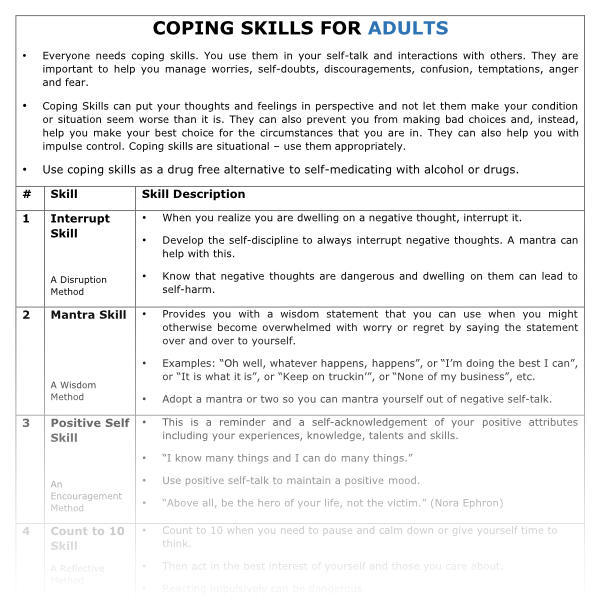
A worksheet is a structured page or digital document containing questions, problems, or exercises designed for a learner to solve. It acts as an interactive tool that bridges the gap between passive listening and active mastery, allowing students or professionals to practice specific skills in a controlled format.
Whether you're teaching a room full of middle schoolers fractions or onboarding new software developers at a tech firm, worksheets serve a vital purpose. They transform abstract concepts into tangible tasks. Instead of just hearing about a process, the learner actually executes it, step by step, right on the page.
Understanding the Core Definition of a Worksheet
At its core, a worksheet is a single-purpose practice document. It differs from a textbook chapter, which presents information for reading, and an exam, which evaluates accumulated knowledge. Worksheets occupy the space in between. They are low-stakes training grounds where mistakes are part of the learning process rather than failures.
Historically, these tools were sheets of paper photocopied by the hundreds in school staff rooms. Today, they live across tablets, interactive whiteboards, and browser-based learning management systems. Yet, the underlying pedagogical mechanism remains identical. You present a problem, provide space or instructions for a solution, and give the user an immediate method to check their work.
When designed well, a worksheet reduces cognitive overload. It breaks down a massive subject—like basic accounting or chemical balancing—into digestible chunks. Each section targets a singular sub-skill, ensuring learners build competence before moving to complex applications.
Primary Types of Worksheets Across Disciplines
Different learning objectives demand different structural layouts. Knowing which format fits your specific goal prevents wasted effort and keeps engagement high.
Educational and Academic Worksheets
In classrooms, worksheets are ubiquitous because they scale easily. Teachers use them for several distinct functions:
- Practice sheets: Drill fundamental operations, such as multiplication tables or vocabulary matching, until they become second nature.
- Concept mapping: Visual organizers like Venn diagrams or flowcharts that help students connect disparate ideas.
- Reading comprehension: Short text excerpts followed by targeted questions that check for literal and inferential understanding.
Professional and Corporate Worksheets
In the workplace, we often call these templates or planning sheets, but they function identically to traditional educational worksheets.
- Budgeting sheets: Line-by-line financial trackers that help employees or teams forecast expenses.
- Project kickoff documents: Structured questionnaires that guide teams through defining scope, deliverables, and timelines.
- Compliance checklists: Step-by-step verification forms used in manufacturing or healthcare to ensure safety protocols are followed.
Self-Improvement and Therapeutic Worksheets
Mental health professionals and coaches rely heavily on structured writing exercises to facilitate personal growth.
- Thought records: Cognitive behavioral therapy tools where users log triggers, automatic thoughts, and rational responses.
- Goal-setting matrices: Worksheets that break a five-year vision down into quarterly milestones and daily habits.
Concrete Examples of Effective Worksheets
Theory matters, but seeing a functional layout clarifies how to build one yourself. Let's look at two distinct examples.
Example One: Elementary Math Practice Sheet
Imagine a worksheet designed to teach basic fractions to ten-year-olds.
The title is clear and inviting: Visualizing Fractions. Section one shows four pizza graphics cut into different slices. The prompt asks the student to write the corresponding fraction for the shaded portions. Section two introduces simple addition with common denominators. Section three provides a word problem about sharing cookies among friends, grounding the math in a relatable scenario.
This progression moves smoothly from visual recognition to abstract calculation and finally to real-world application.
Example Two: Professional SWOT Analysis Worksheet
Consider a business strategy workshop. The facilitator hands out a single-page document divided into four distinct quadrants.
At the top, simple instructions read: List internal factors in the top row and external factors in the bottom row. The boxes are labeled Strengths, Weaknesses, Opportunities, and Threats. Each box contains three prompt questions—such as "What do our customers love most about our service?" in the Strengths section—to eliminate writer's block and guide the participant's thinking.
Common Mistakes When Creating Worksheets
Many educators and trainers create documents that frustrate users rather than help them. Watch out for these pitfalls:
- Overcrowding the page: Cramming too many problems onto a single sheet overwhelms the learner. White space is essential for readability and note-taking.
- Ambiguous instructions: If a user has to guess what you mean by "analyze the following," they'll spend more mental energy figuring out the directions than doing the actual work.
- Mismatched difficulty: Jumping from basic definitions straight to advanced synthesis without intermediate practice steps causes high abandonment rates.
- Lack of answer keys: For independent practice, omitting an answer key rops learners of the immediate feedback loop needed to correct misunderstandings.
Frequently Asked Questions
What is the main difference between a worksheet and a quiz?
A worksheet is designed for practice and learning, allowing for mistakes and revisions. A quiz is an assessment tool meant to measure current knowledge without instructional support.
Are digital worksheets better than paper ones?
It depends on the context. Digital worksheets work well for remote learning and automatic grading, while paper worksheets reduce screen fatigue and improve retention for handwriting-heavy subjects like math and diagramming.
How long should an educational worksheet take to complete?
Most effective worksheets are designed to be completed in ten to twenty minutes. If it takes longer, the scope is likely too broad and should be split into multiple pages.
Can worksheets be used for adult learners?
Yes, absolutely. Adults benefit just as much from structured practice, especially when learning complex software, financial literacy, or new professional frameworks.



