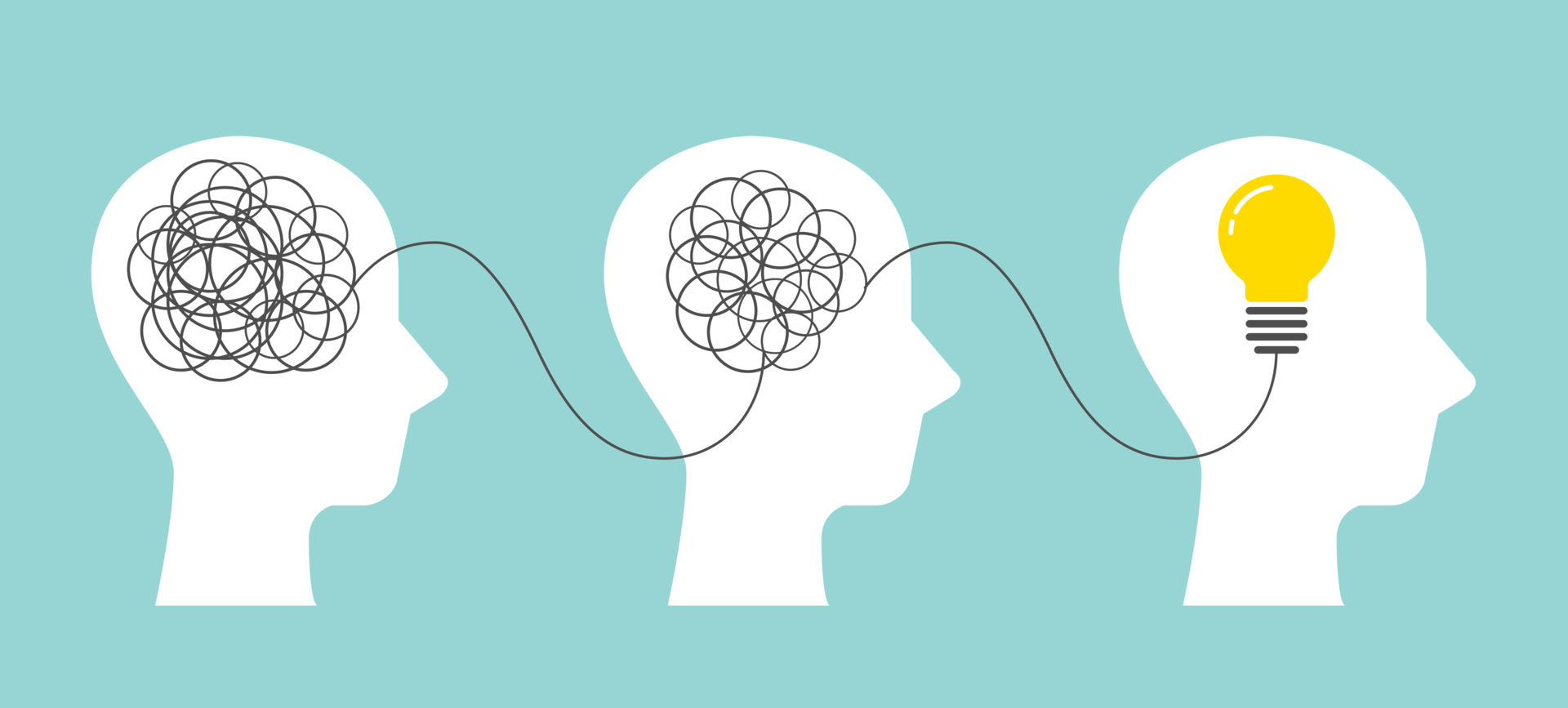
A summary is a condensed version of a longer source that captures its core message without adding outside opinions or fluff. Whether you're condensing a thirty-page academic journal or distilling a client meeting into three bullet points, the goal remains identical. You're stripping away minor anecdotes and secondary examples to expose the structural skeleton of the original work.
People struggle with writing summaries because they try to include everything. They treat the task like a smaller version of the source rather than a translation of intent. When you learn how to identify main arguments and separate them from supporting evidence, you stop drowning in details. Let's look at how to write a summary that actually saves time and respects the reader's intelligence.
The Core Purpose of a Summary
Why do we summarize? We do it because human attention is finite and information is infinite. A strong summary acts as a reliable map. It tells the reader where the original author started, what path they took, and where they landed, all in a fraction of the time.
In professional settings, executives don't read entire reports; they read the executive summary. In academics, researchers scan abstracts to determine if a full paper deserves their attention. If your summary fails to capture the exact thesis of the original work, it fails entirely.
A proper summary performs three distinct functions:
- Condenses length by stripping out repetitive examples, redundant phrasing, and filler words.
- Preserves original intent by accurately reflecting the author's primary arguments without distorting their meaning.
- Eliminates bias by keeping your personal opinions, critiques, and reactions completely out of the text.
Step-by-Step Process for Writing an Effective Summary
Writing a clean summary isn't about guessing what to cut. It's a systematic process of reading, deconstructing, and rebuilding. If you skip steps, you'll end up copying chunks of the original text or missing the main point.
1. Read with Active Annotation
Don't try to write anything while you read the source text for the first time. Just read. On the second pass, grab a highlighter or a pen. Mark the thesis statement, topic sentences of each major section, and the final conclusion. If the text is digital, copy the headings and subheadings into a blank document.
2. Isolate the Thesis Statement
Every coherent piece of writing has a central thesis. Find it. It's usually located in the introduction or the conclusion. Write that single sentence down in your own words. If you can't state the core argument in one sentence, you haven't found it yet.
3. Extract the Primary Supporting Points
Look at the body paragraphs. Which examples or data points are strictly necessary to prove the thesis? Cross out anecdotes, historical asides, and descriptive flourishes. Keep only the logical steps that connect the introduction to the conclusion.
4. Draft Without Looking at the Source
Close the original article or book chapter. Open a blank document and write out the summary from memory using your notes. This single habit prevents accidental plagiarism and forces your brain to process the information naturally.
5. Compare and Refine
Open the source next to your draft. Check three things: Did you accidentally include your own opinion? Did you misrepresent the author's argument? Is it significantly shorter than the original? Cut at least twenty percent of your draft's words on the first edit.
Common Mistakes That Ruin Summaries
Even experienced writers fall into predictable traps when condensing text. Recognizing these errors helps you fix them before anyone else reads your work.
- The Trap of Micro-Summaries: Summarizing paragraph by paragraph instead of looking at the whole text. This leads to a summary that's almost as long as the original source.
- The Opinion Leak: Slipping phrases like "The author smartly argues" or "I disagree with the point that" into the text. A summary has no voice of its own; it mirrors the source objectively.
- Direct Plagiarism: Swapping out every third word with a synonym while keeping the original sentence structure intact. That's not a summary; that's a poorly disguised rewrite.
- Chasing Minor Details: Spending three sentences explaining a specific case study the author used as a minor footnote, while completely ignoring the main argument.
Different Contexts Require Different Summaries
Not all summaries look alike. The format changes based on where the summary lives and who is going to read it.
Academic Summaries
In research and higher education, summaries must be precise, formal, and objective. You often need to attribute claims directly to the author using signal phrases like According to Smith or Research by National Institutes of Health demonstrates.
Professional and Executive Summaries
Business environments prioritize speed and utility. These summaries often start with the conclusion or the bottom-line recommendation, followed by brief supporting data. Bullet points are common here because busy managers need to scan information in seconds.
Narrative Summaries
Summarizing a story, novel, or film requires tracking plot arcs rather than argumentative logic. You focus on the protagonist, the inciting incident, the primary conflict, and the resolution. Avoid giving away the ending if the summary is meant to entice a reader, but state the full plot if it's an analytical overview.
Frequently Asked Questions
How long should a summary be?
As a general rule, a summary should be about twenty to twenty-five percent the length of the original text. A 2,000-word article usually condenses well into 400 to 500 words. However, constraints depend entirely on your assignment or publication guidelines.
Can I use quotes in a summary?
You should rarely use direct quotes in a summary. The entire point of summarizing is to translate the source material into your own words. Reserve direct quotes exclusively for rare instances where the author's exact phrasing is irreplaceable.
What is the difference between a summary and a paraphrase?
A summary condenses a long text into its main points, making it much shorter than the original. A paraphrase rewrites a specific passage, sentence for sentence, in your own words while maintaining roughly the same length as the original passage.
How do I summarize something I don't fully understand?
Stop reading and look up unfamiliar terms or core concepts first. You cannot accurately summarize complex material—such as technical briefs from the U.S. Department of Labor—if you haven't grasped the fundamental vocabulary. Take time to clarify the basics before attempting to condense the work.



