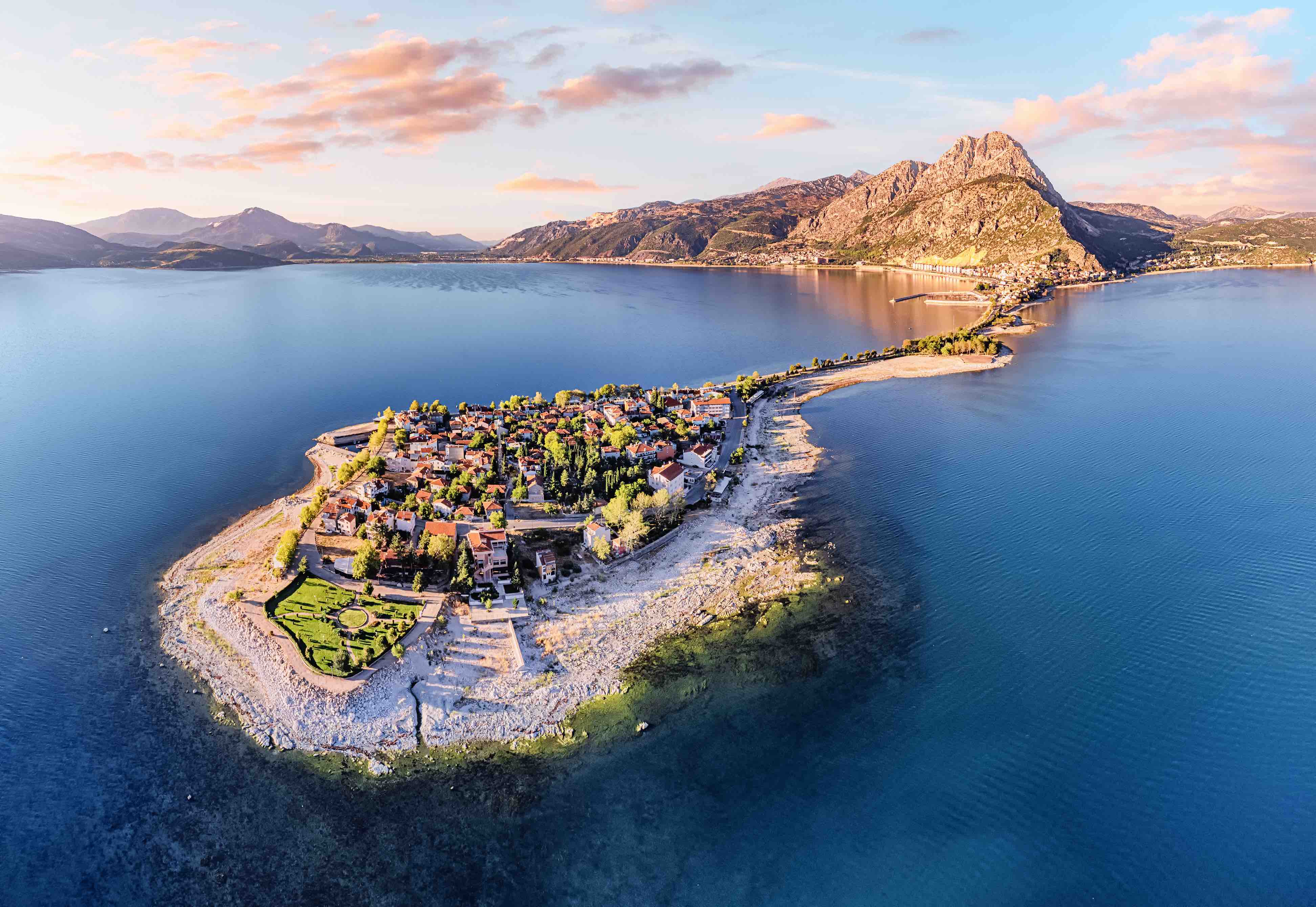
A peninsula is a distinct piece of land surrounded by water on three sides while remaining connected to a larger mainland mass via a narrow strip of land known as an isthmus. The word originates from the Latin terms paene (almost) and insula (island), literally translating to "almost an island." Unlike actual islands, which require water transport in all directions, peninsulas bridge continental resources with maritime access, making them historically vital for human settlement, trade routes, and geopolitical strategy.
Defining Geographic Criteria
Distinguishing a peninsula from other coastal features requires looking at proportion, connectivity, and boundaries.
- The Isthmus Connection: The defining structural anchor is the land bridge. Without a clear continental connection, a landmass becomes an island.
- Three-Sided Water Exposure: The surrounding water can comprise oceans, seas, gulfs, or large lakes.
- Scale and Proportion: Peninsulas range dramatically in size. Small finger-like projections extend for just a few kilometers, whereas massive tectonic fragments span millions of square kilometers.
Geographers often confuse peninsulas with capes or headlands. A cape is typically a pointed, narrower extension of land jutting into water, while a headland refers specifically to a high, rocky cliff promontory overlooking the sea. A true peninsula possesses substantial inland depth and regional scale, capable of supporting independent climates and massive ecosystems.
Geological Formation Processes
Earth's dynamic interior and surface forces sculpt peninsulas over millions of years through distinct mechanisms.
Tectonic Uplift and Plate Collisions
Tectonic plate movements push vast sections of Earth's crust upward. As mountain ranges form and surrounding lowlands submerge or erode, protruding shapes remain. The Scandinavian Peninsula formed through ancient crustal uplift combined with aggressive glacial scouring that carved deep coastal fjords into hard bedrock.
Volcanic Accumulation
Repeated eruptions stack layers of lava, ash, and tephra over millennia, pushing coastlines outward into marine basins. The Kamchatka Peninsula in eastern Russia owes its rugged, jagged topography entirely to intense subduction-zone volcanism along the Pacific Ring of Fire.
Sediment Deposition and Alluvial Build-Up
Rivers transport millions of tons of eroded silt and sand toward continental margins, depositing material where currents slow down. Over long epochs, this accumulated sediment builds outward into deltas and low-lying peninsular extensions, a process visible along parts of the Gulf Coast and major river mouths worldwide.
Major Types of Peninsulas
Earth scientists classify peninsulas into three primary structural categories based on their underlying geological origin.
- Tectonic Peninsulas: Formed by plate convergence or continental shelf shifting. The Arabian Peninsula sits on a distinct tectonic plate colliding with Eurasia, creating high seismic activity and complex fault-block mountains.
- Volcanic Peninsulas: Built almost entirely from volcanic chains and basaltic flows. The Baja California Peninsula exhibits complex tectonic and volcanic histories tied to seafloor spreading along the East Pacific Rise.
- Sedimentary Platforms: Composed primarily of limestone, sand, and alluvial deposits rather than rugged mountains. The Florida Peninsula rests on a massive carbonate platform that spent repeated epochs submerged beneath shallow ancient seas.
Climate, Ecology, and Human History
Because peninsulas project into large bodies of water, they experience marine-modulated weather patterns. Coastal winds moderate internal temperature extremes, creating distinct local microclimates that foster unique biological habitats. For instance, the Olympic Peninsula in Washington state supports temperate rainforests right next to alpine glaciers due to localized maritime moisture trapping.
Human civilization has always gravitated toward these landforms. The Iberian Peninsula served as the literal launching point for European maritime expansion during the Age of Discovery. Similarly, the Anatolian Peninsula bridges Europe and Asia, acting as a historical crossroads for empires like the Byzantines and Ottomans.
Frequently Asked Questions
What is the largest peninsula in the world?
The Arabian Peninsula spans approximately 3.2 million square kilometers, making it the largest peninsula globally. It is characterized by vast desert expanses, hyper-arid climates, and immense stores of petroleum and natural gas.
Can a peninsula become an island?
Yes. Rising sea levels, tectonic subsidence, or human intervention such as digging a canal across the connecting isthmus can sever a peninsula from the mainland. The Sinai Peninsula effectively became separated from the African mainland when the Suez Canal was constructed across its isthmus.
What is the difference between a peninsula and a cape?
A peninsula is a large landmass connected to a continent by a wide area or isthmus and bordered by water on three sides. A cape is a smaller, sharper point of land that projects out into a body of water, usually marking a distinct shift in coastline direction.
Are all peninsulas warm and tropical?
No. Peninsulas exist in every climate zone on Earth. The Taymyr Peninsula in northern Russia extends deep into the Arctic Circle, featuring frozen tundra and permafrost rather than sandy beaches.



