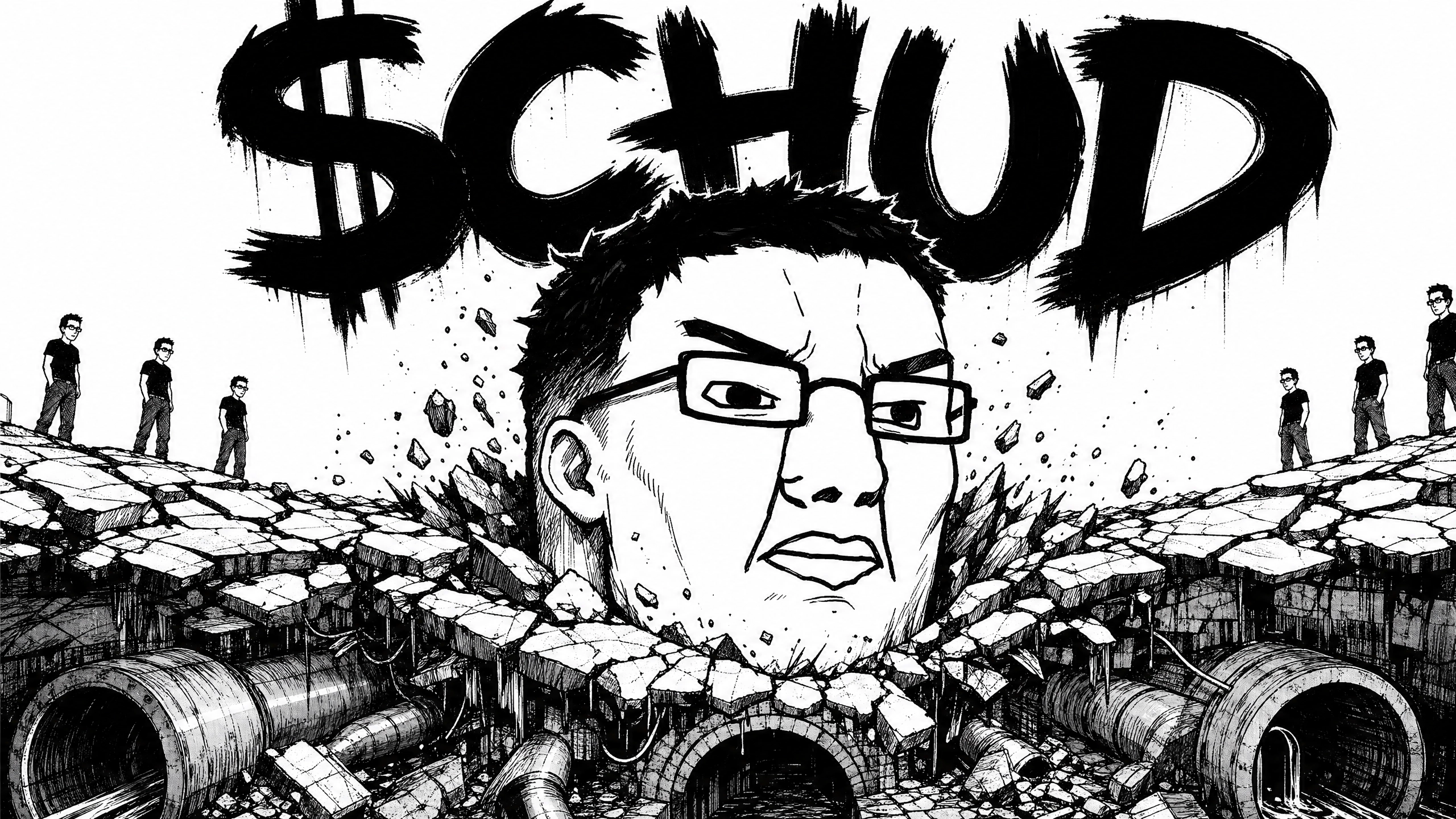
Language online shifts fast, turning obscure movie references into widespread political insults almost overnight. If you have spent any time scrolling through social media platforms, you have likely encountered the term chud deployed as a pejorative. Far from its cinematic roots, the word now functions as a shorthand label in modern discourse, carrying specific connotations depending on who uses it.
At its core, what is a chud refers to a derogatory label used primarily in online political and cultural spaces to mock someone viewed as reactionary, aggressive, or socially regressive. Understanding the term requires looking backward at 1980s horror cinema, tracing how internet subcultures repurposed it, and examining how it functions today in digital arguments.
The Cinematic Origins: C.H.U.D. (1984)
The word originates not from political science or linguistics, but from low-budget horror cinema. In 1984, director Douglas Cheek released C.H.U.D., a science fiction horror film that left a lasting mark on pop culture despite mixed reviews.
In the film's universe, the acronym stands for Cannibalistic Humanoid Underground Dwellers. These creatures were once ordinary New York City homeless people who mutated into radioactive monsters after toxic waste leaked into the subway tunnels and sewer systems. They subsisted on human flesh and emerged from the underworld at night to terrorize the city.
The movie gained a modest cult following over the decades, becoming the kind of obscure reference appreciated by horror nerds and midnight movie enthusiasts. However, the transformation of "C.H.U.D." from a fictional monster into a common internet insult took more than thirty years.
The Evolution into Internet Slang
The transition of the term from a cinematic monster to a political insult happened gradually across various online forums, particularly on leftist Twitter, Reddit, and political podcast spaces.
Early adopters in online subcultures began using the word to describe people they perceived as subhuman, monstrous, or lacking empathy—paralleling the original movie's subterranean monsters. Over time, the acronym lost its literal periods and capitalized letters, merging into the lowercase noun chud.
By the late 2010s, the term had broken out of niche leftist circles and entered broader political lexicons. Today, users deploy it to dismiss opponents without engaging in substantive debate, turning a piece of 1980s trivia into a weaponized political buzzword.
How the Term Is Used Today
In modern digital discourse, the word functions primarily as a catch-all insult. People rarely use it to describe actual monsters living in the sewer; instead, they target specific archetypes.
Typically, online commentators use the term to describe:
- Individuals holding socially conservative, reactionary, or nationalist viewpoints.
- Online trolls who display aggressive, abrasive, or hyper-masculine behavior in comment sections.
- People who defend traditional institutions or corporate structures with what critics view as blind compliance.
For instance, a leftist Twitter user might quote-tweet a conservative pundit with a simple jab calling them a chud. In this context, the insult attempts to paint the target not just as politically misguided, but as socially repulsive, unwashed, and intellectually deformed—echoing the feral nature of the movie monsters.
Common Misconceptions About the Word
Because internet slang evolves rapidly, outsiders often misunderstand what the term means or where it comes from.
One major misconception is that the word is a formal political science term. It has no academic backing or standardized definition in sociology. It remains purely colloquial, shifting in meaning depending on the speaker.
Another point of confusion involves pronunciation and spelling. Some people treat it as an acronym, pronouncing every letter, while others treat it as a single-syllable word rhyming with "mud." Online, the latter pronunciation dominates.
People also frequently mistake it for other internet insults like "simp," "incel," or "boomer." While these terms all describe specific social archetypes, they target different behaviors. An incel relates specifically to involuntary celibacy, whereas a chud focuses more on aggressive, reactionary politics and poor aesthetic taste.
FAQ
Is chud considered hate speech?
Content moderation platforms generally do not classify the word as hate speech. It functions as a standard political insult or pejorative, similar to calling someone a jerk or a fool, even though users deploy it with malicious intent.
Did the term originate on Twitter?
No. While Twitter popularized its modern political usage, the term originated in the 1984 horror film C.H.U.D. before moving through various message boards and alternative media forums.
Can anyone use the term?
Anyone can type the word, but its usage remains heavily concentrated within left-leaning political circles and internet subcultures. Mainstream media outlets rarely use it unless they are specifically reporting on internet slang.
Why do internet insults rely on dehumanizing language?
Psychologists note that political tribes often use dehumanizing labels to create an "us versus them" mentality. By reducing an opponent to a monster or a pest, users protect their own worldview and dismiss dissenting opinions without cognitive effort.



