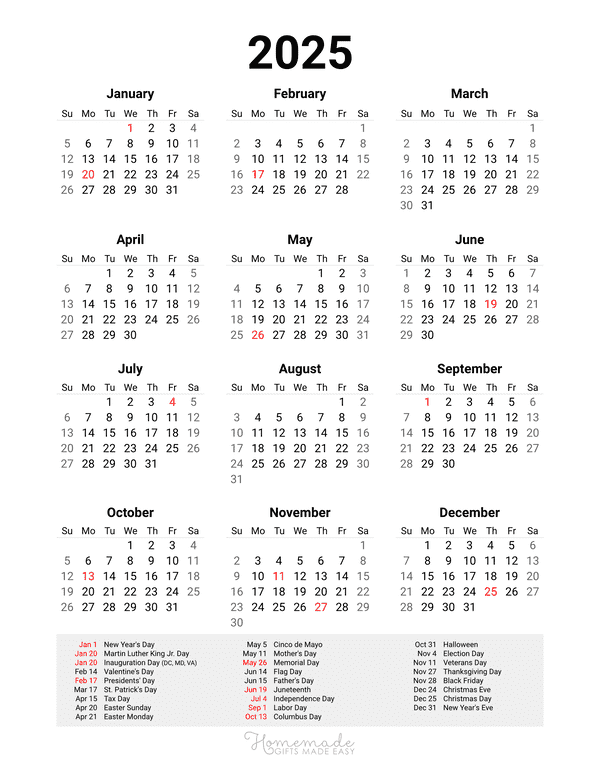
A calendar quarter divides the standard twelve-month year into four distinct three-month blocks. Businesses and financial institutions use these segments to organize financial reporting, tax filings, and operational reviews. Instead of floating based on internal company choices, a calendar quarter matches the standard Gregorian calendar.
Every standard year features four distinct segments:
- Q1: January 1 through March 31
- Q2: April 1 through June 30
- Q3: July 1 through September 30
- Q4: October 1 through December 31
Knowing how these intervals function helps companies stay compliant with tax agencies, evaluate cash flow, and set operational goals. Let's break down how these reporting blocks govern modern financial rhythms.
Why Businesses Rely on Calendar Quarters
Operating a business requires breaking down long-term goals into manageable segments. Looking at an entire year at once makes it difficult to catch cash flow dips or spot inventory trends early. Dividing the year into three-month blocks creates natural checkpoints for management teams.
Accountants use these blocks to reconcile accounts, close books, and prepare interim financial statements. Public companies face strict regulatory mandates to report earnings at the end of each period, giving investors a transparent look at growth trajectories. Private companies also adopt this cadence to secure bank loans, pitch venture capital partners, and file accurate annual returns.
Comparison With Fiscal Quarters
Many people confuse calendar quarters with fiscal quarters. While a calendar quarter strictly mirrors the standard January-to-December year, a fiscal quarter follows a company's chosen financial year.
For example, a retail business with a fiscal year starting on February 1 will run its financial quarters differently. Their first quarter spans February through April, rather than January through March. Organizations often choose custom fiscal years to match seasonal revenue cycles—such as ski resorts or academic institutions—while standard corporations stick to traditional calendar schedules.
Core Financial Reporting Requirements
Government agencies and tax authorities structure their compliance deadlines around these three-month intervals. Missing a milestone triggers automatic penalties, making accurate tracking essential for any business owner.
Corporate Tax and Payroll Filings
Tax authorities require frequent updates throughout the year rather than a single annual lump sum. In the United States, the Internal Revenue Service requires employers to file quarterly employment tax returns using forms like Form 941.
These filings track withheld federal income tax, Social Security, and Medicare contributions. The filing deadlines typically land one month after the period closes:
- First quarter returns are due by April 30.
- Second quarter returns are due by July 31.
- Third quarter returns are due by October 31.
- Fourth quarter returns are due by January 31 of the following year.
Financial Statements and Stakeholder Updates
Beyond taxes, leadership teams prepare balance sheets, income statements, and cash flow statements at the end of each interval. Shareholders expect transparency regarding profitability and debt obligations. Reviewing statements every three months allows executives to pivot marketing budgets, cut unnecessary overhead, or reallocate inventory before minor issues compound into major losses.
Operational Planning and Internal Metrics
Financial tracking is only part of the equation. Companies leverage these periods to drive internal performance management, inventory forecasting, and employee evaluations.
Performance Reviews and Goal Setting
Many organizations tie employee key performance indicators and bonus structures to quarterly targets. Setting goals across twelve months can lead to procrastination. Breaking goals into three-month sprints keeps teams focused and agile. If a sales department misses its target in the first period, leadership can adjust pricing or training strategies before the second period begins.
Inventory and Supply Chain Management
Retailers and manufacturers rely heavily on seasonal demand. Analyzing sales performance across specific quarters helps supply chain managers predict stock requirements for the upcoming year. For instance, reviewing fourth-quarter data reveals holiday purchasing patterns, ensuring warehouses don't overstock or run out of high-demand items during the next annual cycle.
Common Pitfalls in Quarter Management
Mismanaging reporting timelines can expose a business to legal risks and administrative headaches. Watch out for these frequent mistakes when setting up your accounting workflows:
- Confusing period-end dates: Assuming every month has an equal number of financial closing days can skew internal metrics. Standardize your accounting cutoff dates.
- Mixing up fiscal and calendar schedules: Applying calendar deadlines to a company operating on a custom fiscal year leads to missed tax filings.
- Waiting until the deadline: Stacking bookkeeping tasks until the final week of the month leads to costly data entry errors. Update your ledgers weekly.
Frequently Asked Questions
Do all businesses have to use calendar quarters?
No. While standard corporations default to the standard calendar year, businesses can elect a custom fiscal year with tax authorities if their operational cycle requires a different schedule.
How do leap years affect these periods?
Leap years add an extra day to February, which falls squarely inside the first reporting period. While this extra day shifts daily average calculations slightly, it doesn't change the official start and end dates of the period.
Are these reporting blocks used globally?
Most global financial markets utilize a four-part annual structure, though the exact start month of a fiscal year varies by country and local tax laws. For instance, the UK tax year traditionally begins on April 6.
What is the difference between a quarter-end and a month-end close?
A month-end close is a brief internal check to ensure accounts balance for the previous thirty days. A quarter-end close involves deeper auditing, tax preparations, and formal reporting required by external stakeholders.



