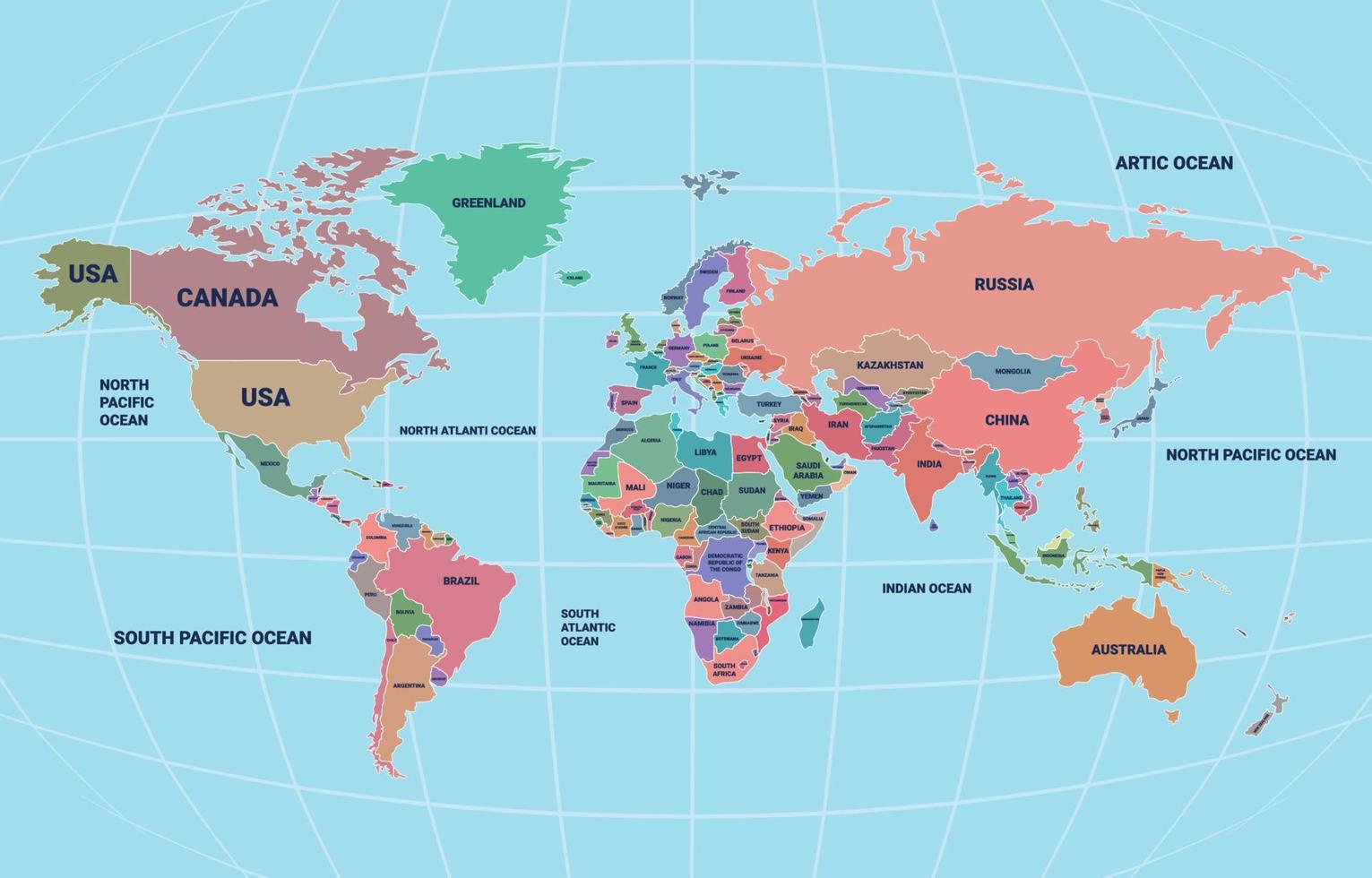
Subaru is a thoroughly Japanese automotive brand. Its corporate roots trace back to Tokyo, Japan, where the parent organization, Subaru Corporation (formerly Fuji Heavy Industries), maintains its global headquarters. While many buyers assume every vehicle bearing the Pleiades star cluster logo rolls off an assembly line in East Asia, modern supply chains blur those lines. The brand splits its production between its historic homeland and major international facilities, creating a blend of traditional Japanese engineering and regional manufacturing.
Understanding where Subaru comes from requires separating corporate heritage from where a specific vehicle gets bolted together. The brand originated in post-war Japan out of an aircraft manufacturing legacy, but today it operates as a global player with factories spanning continents.
The Japanese Roots of Subaru
The origin story of Subaru begins in 1917 with the Aircraft Research Laboratory, which later became the Nakajima Aircraft Company. Following World War II, the company reorganized into Fuji Heavy Industries (FHI), pivoting from military aviation to civilian products like motor scooters and passenger cars.
In 1953, FHI consolidated several smaller industrial firms and decided to build passenger cars. Kenji Kita, the company's CEO at the time, insisted on a distinctive Japanese name for their first prototype, the P-1. He chose "Subaru," the Japanese name for the Pleiades star cluster. In Japanese, the word means to unite or gather together.
The company launched its first production car, the tiny Subaru 360, in 1958. It proved immensely popular on narrow Japanese roads. Over the next few decades, engineers developed trademark mechanical systems that define the brand today, including the flat layout of the SUBARU BOXER engine and Symmetrical All-Wheel Drive. These innovations debuted in the 1960s and 1970s, establishing a reputation for rugged durability that eventually propelled the company into export markets.
Global Manufacturing: Japan Versus North America
Even though the corporate identity is anchored in Tokyo, vehicles are built where the customers live. Subaru operates four primary automotive production plants clustered in the Gunma Prefecture of Japan, alongside a massive overseas facility in the United States.
Gunma Prefecture, Japan
The Gunma complex serves as the heart of the company's manufacturing network. Facilities like the main Subaru-cho plant and the Yajima plant handle the assembly of iconic models. Sports cars like the BRZ, compact hatchbacks like the Impreza, rally-bred performance variants like the WRX, and global SUVs like the Forester are constructed in Japan. Additionally, specialized engine and transmission plants in Gunma supply mechanical components across the international network.
Lafayette, Indiana, USA
To meet surging demand in North America and bypass heavy shipping logistics, the company established Subaru of Indiana Automotive (SIA) in Lafayette, Indiana, which began operations in 1989. This 820-acre facility builds popular models tailored for North American buyers, such as the Outback, Ascent, and select configurations of other crossover lines.
How to Check Your Vehicle's Origin
If you're wondering whether a specific vehicle came from an overseas cargo ship or a domestic factory, you don't have to guess. You can look directly at the vehicle identification number (VIN).
- Check the first character or digit of the VIN on the driver's side dashboard or door jamb.
- If the VIN starts with the letter J (such as JF1), the car was assembled in Japan.
- If the VIN starts with the number 4 (such as 4S3 or 4S4), the car was assembled at the Indiana plant in the United States.
Many automotive enthusiasts prefer models built in Japan for historical pedigree, while others appreciate the local economic impact of North American assembly plants. Mechanically, strict global quality controls ensure that components meet uniform performance benchmarks regardless of the assembly zip code.
Frequently Asked Questions
Is Subaru owned by an American company?
No. Subaru Corporation is an independent Japanese multinational corporation. While Toyota holds a minority equity stake of roughly 20 percent in the company to facilitate joint vehicle development projects like the BRZ and Toyota GR86, management and operational control remain entirely Japanese.
Are all Subarus sold outside Japan built overseas?
No. Unlike several competitors that manufacture nearly all regional stock locally, Subaru historically imports a high percentage of its global inventory directly from its home factories in Gunma, Japan. Depending on the model year and shifting supply chain demands, vehicles like the Forester and certain trims of the Crosstrek are frequently imported straight across the Pacific.
Why did the company change its name from Fuji Heavy Industries?
For decades, the overarching corporate entity was named Fuji Heavy Industries. Because the Subaru automotive division drove the vast majority of global revenue and brand recognition, corporate leadership officially changed the name to Subaru Corporation to streamline its identity worldwide.
Do Japanese-built and US-built Subarus use the same parts?
They share core architectural blueprints, safety cages, and engine designs, but local supply chains mean that regional plants source varying percentages of internal components, glass, and interior trim from nearby suppliers in North America or Asia. You can explore corporate background details directly through Subaru Global or read official brand overviews on Subaru USA.



