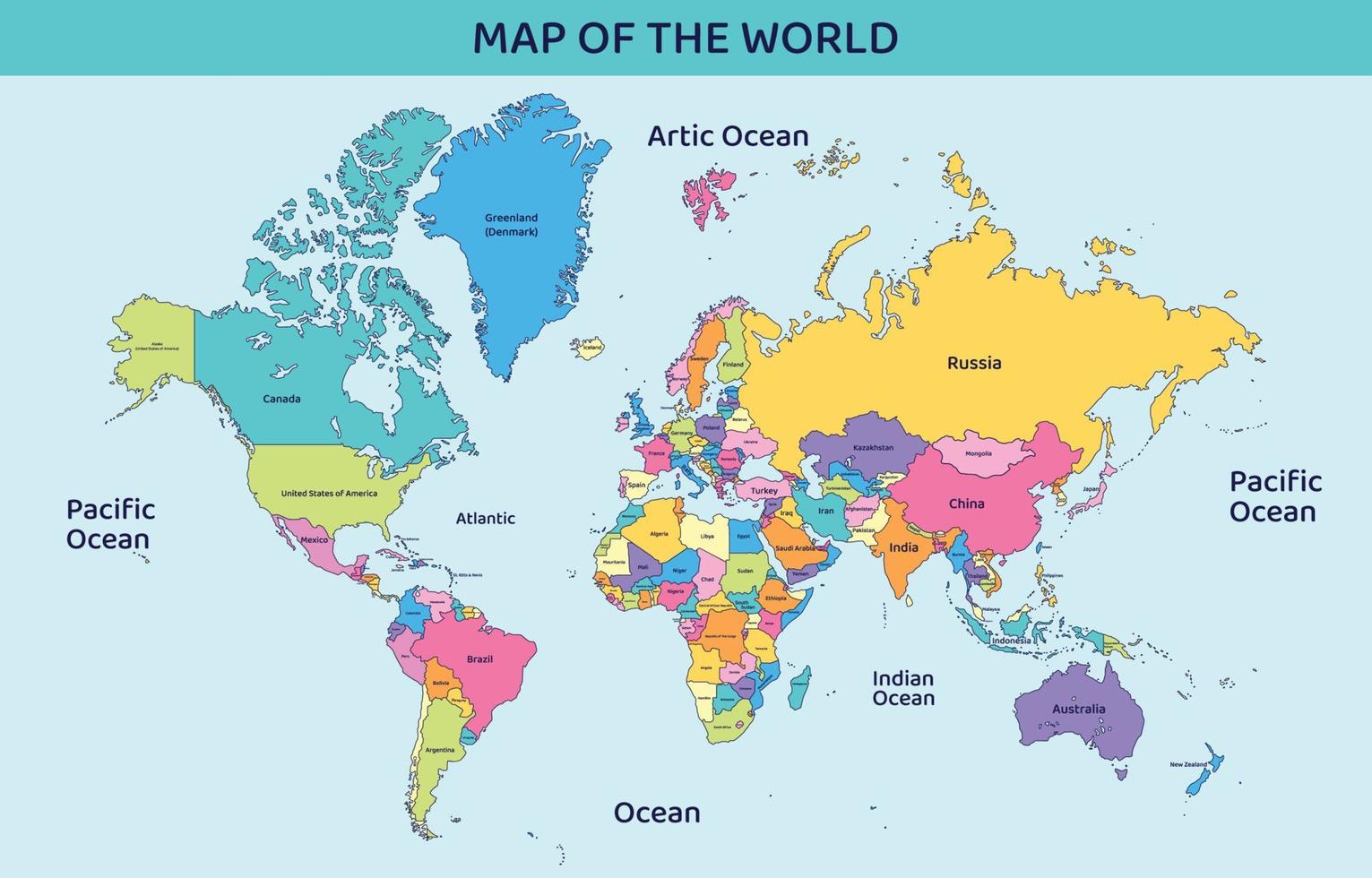
When you see the shorthand code AU, it refers directly to Australia, officially known as the Commonwealth of Australia. This two-letter designation serves as the official ISO country code, Internet top-level domain (.au), and standard abbreviation used in international shipping, aviation, and global finance. Beyond a simple digital tag, Australia occupies a unique global position as both a sovereign nation and an entire continent. Spanning 7.69 million square kilometers in the Southern Hemisphere, it stands as the sixth-largest country by total land area.
Understanding what country AU represents requires looking past digital shorthand to examine how isolation, ancient indigenous roots, British colonial expansion, and modern multiculturalism shaped the nation.
Geographic Realities and Location
Australia sits between the Pacific and Indian oceans, isolated from major landmasses. This geographic separation allowed unique flora and fauna—such as marsupials and monotremes—to evolve without continental competition.
The mainland terrain features stark contrasts. The interior, known colloquially as the Outback, consists of arid deserts and semi-arid scrublands colored by iron-rich red earth. Conversely, the coastal fringes—particularly the eastern, southeastern, and southwestern belts—experience temperate climates that support the vast majority of the population.
Major urban centers like Sydney, Melbourne, Brisbane, and Perth anchor these coastal regions. While Canberra serves as the federal capital, it functions primarily as an administrative hub rather than the largest economic or cultural metropolis.
Historical Foundations
The history of Australia spans tens of thousands of years of continuous human habitation alongside a comparatively recent wave of European colonization.
Indigenous Heritage
Aboriginal and Torres Strait Islander peoples have inhabited the continent for at least 50,000 to 60,000 years. These communities maintained a complex network of hunter-gatherer societies, utilizing sophisticated land management techniques and rich oral traditions rooted in the Dreaming—a foundational belief system explaining the creation of the land, laws, and social obligations.
European Discovery and British Colonization
Dutch navigator Willem Jansz made the first documented European contact in 1606, charting parts of Cape York Peninsula. However, British interest solidified when Captain James Cook mapped the eastern coast in 1770 aboard the HM Endeavour, claiming it for the British Crown.
In 1788, the British established a penal colony at Sydney Cove, led by Governor Arthur Phillip. This settlement initiated decades of displacement and systemic marginalization of Indigenous populations. Throughout the 19th century, separate colonies formed across the continent, eventually federating on January 1, 1901, to establish the independent Commonwealth of Australia.
Cultural Evolution and Identity
Modern Australian culture blends British institutional roots with an independent, egalitarian ethos shaped by the harsh frontier environment and post-war immigration.
- Egalitarianism and Mateship: Australian social structures emphasize a lack of rigid hierarchy. The cultural concept of "mateship"—forged among early settlers relying on one another in a demanding landscape—remains a core pillar of national identity.
- Multicultural Shift: The dismantling of the discriminatory White Australia Policy in the mid-20th century transformed the country. Today, roughly thirty percent of residents were born overseas, bringing diverse culinary, artistic, and community traditions from Asia, Europe, and the Middle East.
- Sport and Outdoor Living: Coastal proximity drives a heavy emphasis on beach culture, surfing, and outdoor recreation. Competitive sports—ranging from cricket and rugby to Australian Rules Football (AFL)—serve as primary social glue.
Common Mistakes to Avoid
When researching or referencing Australia via its country code or geography, writers and developers often trip over a few common errors:
- Confusing the Chemical Symbol: The letters Au represent Gold on the periodic table (derived from the Latin aurum). Context is vital to distinguish between financial or scientific references to gold and geographic references to the country.
- Treating Sydney as the Capital: Because Sydney houses iconic architecture like the Opera House and serves as the economic engine, many assume it is the capital. The federal capital is Canberra.
- Assuming a Uniform Climate: Visualizing Australia solely as a hot, dry desert ignores the tropical rainforests in the far north and the alpine regions in the southeast that receive regular winter snowfall.
Frequently Asked Questions
Why is the country code AU instead of AS?
The International Organization for Standardization (ISO) assigned AU based on the first two letters of Australia. The code AS was already allocated to American Samoa.
Is Australia an island or a continent?
Geographers classify Australia as the world's smallest continent and largest island. Because it sits entirely on its own tectonic plate, it functions uniquely as both.
What is the official currency used in Australia?
Australia uses the Australian Dollar (AUD), which was introduced in 1966 to replace the Australian pound.
How many states and territories make up Australia?
The nation consists of six states (New South Wales, Queensland, South Australia, Tasmania, Victoria, and Western Australia) and two major mainland territories (the Australian Capital Territory and the Northern Territory).



