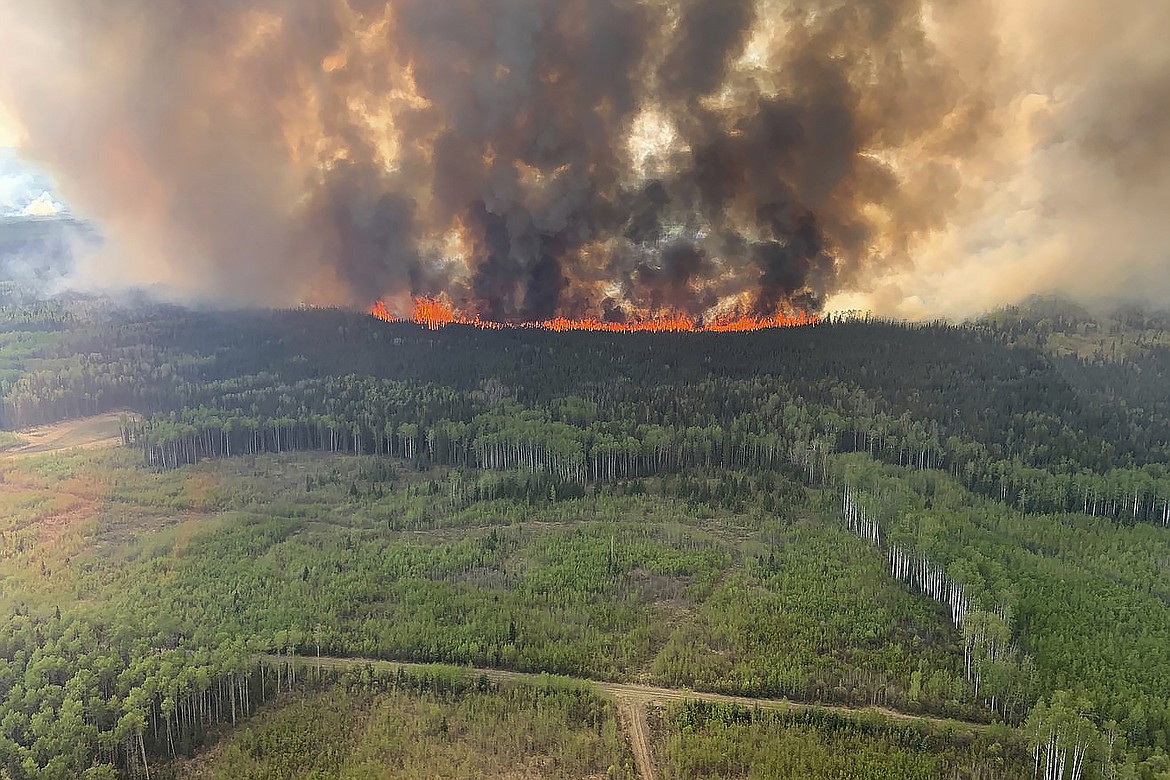
West Hollywood's unique geographic configuration—sandwiched between urban Los Angeles density and foothill chaparral zones—creates high-stakes challenges for modern municipal emergency management. Urban fire resilience here depends on integrating advanced meteorological tracking, strict building safety compliance, and hyper-local neighborhood networks to protect dense residential and commercial corridors.
Traditional emergency response models rely too heavily on reactive 911 dispatching. Modern municipal defense requires a shift toward predictive modeling, automated early notification, and structured community-level preparation before dry seasonal winds peak.
The Urban Wildfire and Structure Threat Matrix
West Hollywood faces a distinct threat matrix driven by high-density housing stock, narrow arterial roadways, and seasonal Santa Ana wind patterns that push dry air westward from desert basins. When combined with dense commercial zones along major corridors, an ignition source can escalate rapidly.
Property vulnerability in this environment stems from three primary factors: To explore the full picture, check out the detailed analysis by The New York Times.
- Emember and Radiant Heat Exposure: High winds carry embers across urban boundaries, igniting dry rooftop debris or vulnerable balconies.
- Access and Evacuation Constraints: Narrow streets lined with street parking create bottlenecks during rapid evacuation orders.
- Infrastructure Strain: Multi-tenant residential complexes require seamless coordination between automated building systems and responding county fire units.
Technological Innovations in Municipal Fire Defense
To combat these localized vulnerabilities, emergency services have modernized their operational architecture. Municipalities and regional agencies are moving away from passive defense toward active, data-driven prevention systems.
Predictive Modeling and Sensor Networks
Modern wildfire defense utilizes micro-weather stations and real-time fuel moisture sensors embedded across high-risk urban-wildland interfaces. These networks feed live data into predictive algorithms that forecast fire behavior hours before ignition. Emergency coordinators use these insights to pre-position tactical units and equipment in high-risk zones ahead of red-flag weather warnings.
Aerial Reconnaissance and Rapid Assessment
When smoke is first reported, emergency services deploy tactical drones equipped with thermal imaging payloads. These assets map fire perimeters through heavy smoke, identify spot fires behind primary ridges, and transmit live data directly to incident commanders. This capability cuts down the time required to assess urban perimeter breaches and deploy targeted suppression assets.
Community-Level Preparedness and Building Resilience
Technology alone cannot prevent structural loss without direct engagement from property owners and residents. Neighborhood-level participation forms the frontline defense against fast-moving urban fires.
Hardening High-Density Properties
Property owners in high-risk micro-climates must adopt structural hardening measures designed to resist ember showers:
- Rooftop and Eave Maintenance: Clear accumulated dry leaves, pine needles, and organic debris from gutters and roof valleys weekly during dry months.
- Balcony and Patio Clearing: Store combustible outdoor furniture, cushions, and dry planters indoors when red-flag warnings are active.
- Venting Retrofits: Replace standard attic and crawl space vents with fine-mesh metal screening to prevent wind-driven embers from entering building interiors.
Communication and Alert Integration
Staying informed during an active crisis requires redundant communication channels. Residents should rely on verified local warning systems rather than social media speculation. Subscribing to municipal alert programs like the City of West Hollywood Emergency Preparedness notifications ensures direct delivery of evacuation orders via SMS text services.
Additionally, utilizing the FEMA Emergency Preparedness Guidelines helps households establish dependable family communication plans and standardized go-bags containing vital medical supplies and documents.
Operational Compliance and Commercial Fire Watch Standards
For commercial properties, multi-family housing complexes, and hospitality venues, maintaining operational fire protection systems is a legal and safety mandate. When core life-safety systems—such as automated sprinklers or primary alarm panels—experience temporary impairments or planned outages, strict protocol demands immediate intervention.
In dense urban environments, an impaired system triggers mandatory compliance measures requiring trained personnel to conduct continuous physical patrols. Professional deployment standards dictate specific operational rules:
- Sole-Duty Focus: Assigned officers must perform dedicated patrol rounds without mixing administrative or reception duties, ensuring 100% attention to fire safety observation.
- High-Frequency Intervals: High-density residential properties and hotels typically require patrol circuits every fifteen minutes to cover stairwells, corridors, and roof access points.
- Inspector-Ready Documentation: Every completed circuit must be recorded in rigorous digital logs that satisfy municipal fire code audits.
Property managers facing system downtime should coordinate rapid deployment through certified providers such as the LA County Fire Department guidelines to ensure legal compliance and uninterrupted occupant protection.
Frequently Asked Questions
What should I do immediately if I spot smoke or fire near my neighborhood?
Report the observation to emergency services immediately by dialing 911. Do not rely on someone else to make the call. Clear combustible materials away from exterior walls if safe to do so, close all windows and doors to prevent ember drafts, and monitor official municipal alert channels for evacuation instructions.
How do seasonal Santa Ana winds impact urban fire risks?
Santa Ana winds originate from high-pressure air masses in the Great Basin, compressing and warming as they sweep down toward the coast. These winds bring exceptionally low humidity and high velocities, which dry out vegetation and structural surfaces instantly while driving flames rapidly through urban corridors.
What constitutes a legal fire watch requirement for commercial buildings?
A fire watch becomes mandatory when critical fire protection systems—such as water supplies, fire pumps, or alarm panels—are impaired for extended periods (typically exceeding four hours for alarms or ten hours for sprinkler systems). Regulations require licensed, sole-duty personnel to conduct continuous physical inspections of all affected areas until the primary systems are fully restored.
How can residents with access and functional needs prepare for evacuations?
Individuals requiring extra assistance should register with local emergency management registry programs ahead of time. Preparation includes installing visual and vibrating smoke alarms, keeping mobility devices charged and accessible near an exit, and designating a trusted neighbor or family member to assist with rapid evacuation.