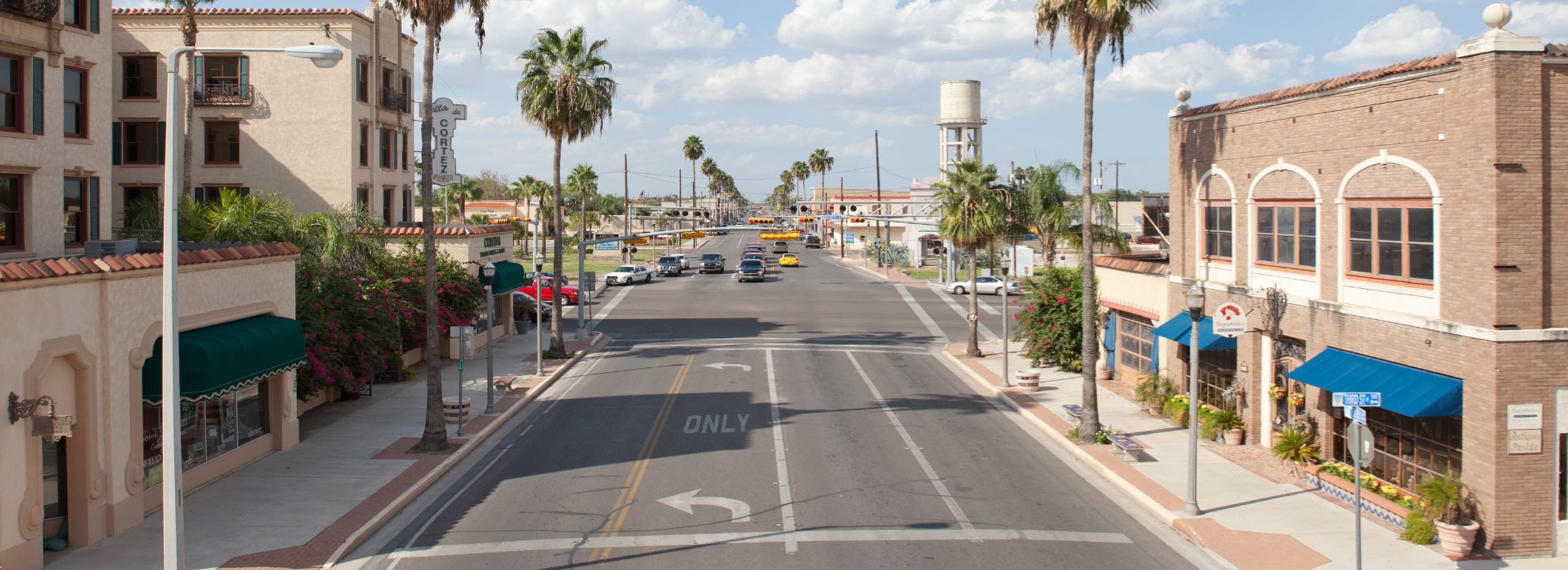
The Rio Grande Valley faces a quiet threat as illicit synthetic opioids infiltrate local neighborhoods. In Weslaco, Texas, families, medical professionals, and local authorities grapple with a sharp surge in accidental poisonings driven by counterfeit pills and tainted street drugs. Understanding how this substance operates and learning how to protect vulnerable households is an urgent community priority.
Fentanyl is a synthetic opioid manufactured to treat severe pain, primarily for advanced cancer care. It is roughly 50 to 100 times more potent than morphine. Because of its extreme strength, microscopic amounts can cause fatal respiratory depression. In the illicit market, criminal networks press illicit fentanyl into counterfeit prescription pills—such as fake Xanax, Adderall, or oxycodone—and mix it into cocaine and heroin. Buyers frequently have no idea their purchase contains a lethal dose.
Why Weslaco is Vulnerable to the Fentanyl Surge
Proximity to international trade corridors places Hidalgo County and surrounding border communities at the center of regional distribution networks. Traffickers exploit major transit routes across South Texas to move illicit commodities northward. This geographic reality means synthetic opioids are easily accessible on local streets and through online social media platforms targeted at teenagers and young adults.
Local health networks note that the crisis no longer affects only individuals with long-standing substance use disorders. High school students, young adults experimenting with party drugs, and older adults seeking cheaper alternatives to manage chronic pain prescriptions frequently fall victim. Because street-level dealers distribute fake medications that look identical to pharmaceutical products, victims often experience unexpected poisoning rather than voluntary overdose.
Recognizing the Physical Signs of an Overdose
Identifying a synthetic opioid poisoning quickly can mean the difference between life and death. When breathing slows or stops entirely, brain damage begins within minutes due to oxygen deprivation.
Watch for these primary indicators during an emergency:
- Pinpoint pupils that fail to react to changes in light.
- Extremely slow, shallow, or erratic breathing, or gurgling sounds.
- Blue, gray, or pale coloration on the lips, fingernails, or skin.
- Limp body posture and complete unresponsiveness to loud noises or physical shaking.
- Inability to wake up or speak, even when pinched or stimulated.
Immediate Action: How to Respond to an Overdose
If you suspect someone is experiencing an opioid poisoning, immediate intervention is critical. Naloxone, commonly known by the brand name Narcan, is an FDA-approved nasal spray that temporarily reverses the effects of opioids on the central nervous system. It restores normal breathing within two to three minutes.
- Check for responsiveness: Shout the person's name and rub your knuckles hard against the center of their chest.
- Call 911 immediately: Report a suspected overdose and request emergency medical assistance right away. Texas maintains legal protections through the Good Samaritan law, encouraging callers to seek help without fear of minor drug possession charges.
- Administer naloxone: Place the person on their back, tilt their head slightly, and insert the nasal spray nozzle firmly into one nostril. Press the plunger firmly to release the dose.
- Perform rescue breathing: If the person is not breathing, tilt their head back, pinch their nose, and deliver regular rescue breaths if you are trained, or monitor them closely.
- Administer a second dose if needed: If normal breathing does not return within two to three minutes, use a second nasal spray device in the alternate nostril. Stay with the individual until paramedics arrive.
Community Prevention and Harm Reduction Strategies
Overcoming this crisis requires multi-layered community action rather than law enforcement measures alone. Schools, healthcare providers, and municipal leaders must coordinate prevention programs that reach youth directly.
- Public Education: Local workshops should teach teenagers and parents about counterfeit pill dangers and the prevalence of online drug sales.
- Widespread Distribution: Making nasal naloxone publicly available in community centers, libraries, and local businesses ensures bystanders can act instantly.
- Safe Disposal Programs: Local pharmacies and police stations host medication take-back initiatives to remove unused prescription painkillers from home medicine cabinets.
- Access to Treatment: Expanding local behavioral health services and medication-assisted treatment (MAT) helps individuals struggling with substance use disorders find long-term recovery pathways.
For confidential support and treatment location services, contact the Substance Abuse and Mental Health Services Administration (SAMHSA) National Helpline at 1-800-662-4357.
Frequently Asked Questions
Why is illicit fentanyl so much more dangerous than traditional heroin?
Fentanyl is chemically synthesized in laboratories rather than derived from poppy plants, making production cheap and infinitely scalable. Its potency is vastly superior, meaning a lethal dose is smaller than a few grains of salt. Because illicit manufacturers mix batches unevenly, "hot spots" frequently occur within single pills or powder packages.
Can naloxone reverse an overdose caused by other drugs?
Naloxone only reverses opioid-related overdoses. It has no effect on stimulants like methamphetamine or cocaine, or depressants like alcohol and benzodiazepines. However, because many street drugs are now laced with synthetic opioids without the user's knowledge, administering naloxone is always recommended if an overdose is suspected.
How can parents talk to their teenagers about synthetic opioids?
Approach the topic with openness and factual clarity rather than scare tactics. Emphasize that any pill acquired outside a licensed pharmacy—including medications shared by peers or bought online—carries a severe risk of hidden contamination. Ensure your teenagers know how to access help and that your primary concern is their safety.
Where can I get free naloxone supplies in Texas?
Many local health departments, community clinics, and statewide distribution initiatives offer free Narcan kits. Organizations such as the Texas Targeted Opioid Response provide online resources and shipping options for individuals seeking harm-reduction tools.



