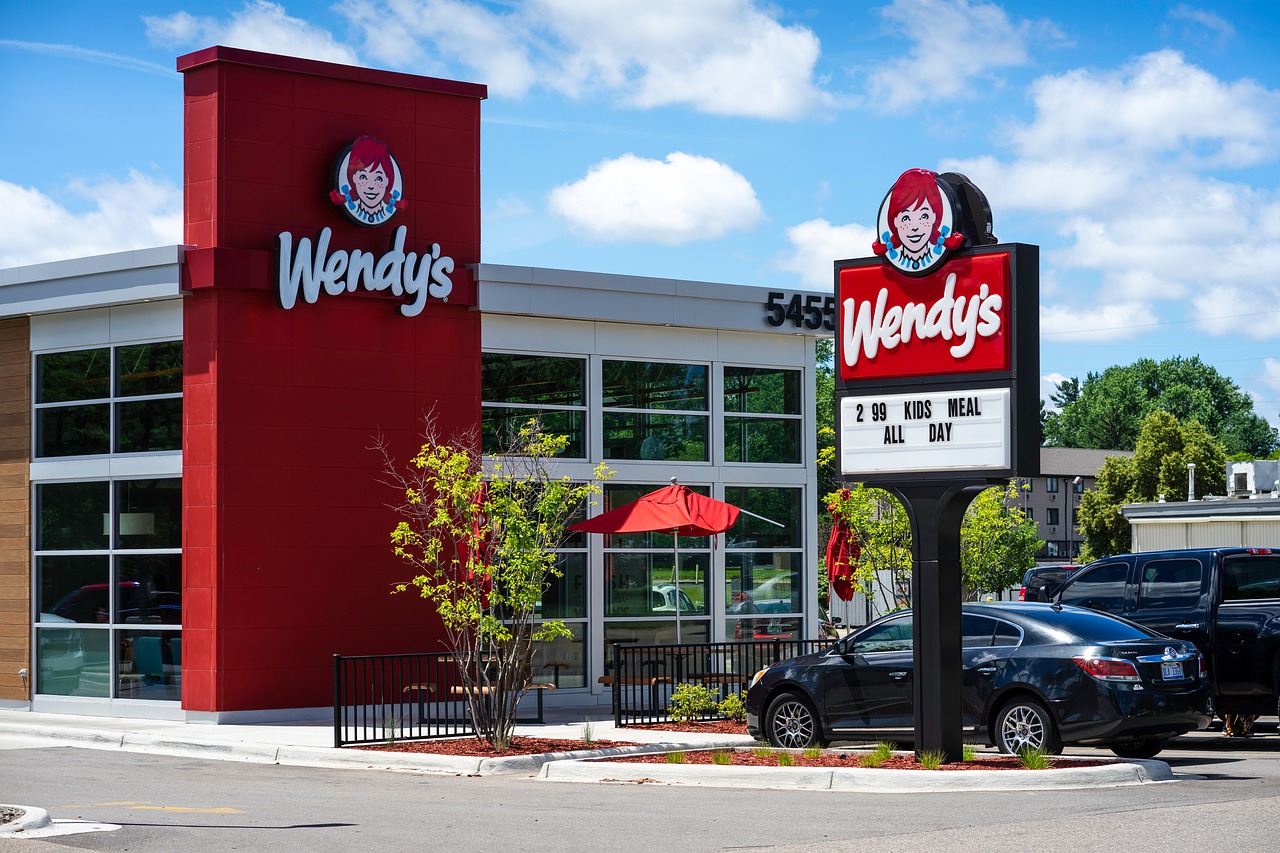
Wendy's commercial campaigns changed fast-food marketing by trading colorful cartoon mascots for sharp humor, product transparency, and founder-led relatability. Over the decades, the brand built a legacy of unforgettable television spots that challenged industry giants like McDonald's and Burger King. From Clara Peller demanding to know "Where's the beef?" to Dave Thomas appearing in hundreds of spots as the unassuming face of his own company, Wendy's proved that smart positioning beats a bloated budget.
Examining how these campaigns evolved reveals the strategy behind the humor, the cultural shifts they sparked, and why certain catchphrases stuck around for forty years. Let's break down the major eras that defined Wendy's advertising dominance.
The Birth of Disruptive Advertising: "Where's the Beef?"
In 1984, Wendy's launched an ad that transformed advertising history. Created by advertising agency Dancer Fitzgerald Sample and written by Cliff Freeman, the spot featured three elderly women examining an absurdly large hamburger bun. When one woman lifts the top bun, she discovers a comically tiny hamburger patty inside.
Clara Peller, with her gravelly, unforgettable voice, steps forward to deliver the ultimate punchline: "Where's the beef?"
- The Strategy: Instead of focusing purely on lifestyle or general happiness, Wendy's targeted competitors directly by highlighting product quality and portion substance.
- The Cultural Impact: The phrase transcended fast food entirely, becoming a national catchphrase used by politicians, everyday shoppers, and pop culture commentators.
- The Financial Result: The campaign drove a 31 percent revenue surge for Wendy's in 1984 alone, proving that aggressive, humorous product comparisons worked.
Dave Thomas Steps Into the Spotlight
After the massive success of the mid-1980s, Wendy's needed a long-term voice that could build deep consumer trust. They found it in company founder Dave Thomas. Beginning in 1989 and continuing through more than 800 commercials, Thomas became the face of the brand.
Wearing a simple button-down shirt and a red tie, Thomas didn't act like a slick corporate executive. He spoke with a gentle, down-to-earth humility.
- The Authenticity Factor: Viewers trusted Thomas because he genuinely knew the restaurant business inside and out, having spent his life in kitchens.
- The Focus on Quality: Rather than relying on slapstick humor, these spots focused on operational details—like fresh, never-frozen beef, square patties designed to hang off the edge of the bun, and unique menu items like baked potatoes and chili.
- The Shift Away from Clowns: By positioning Wendy's as an adult-oriented option that respected consumer intelligence, Thomas carved out a distinct market space away from kid-friendly competitors.
Modernizing the Message: The Post-Founder Era
Following the passing of Dave Thomas in 2002, Wendy's entered a transitional period of advertising, testing various slogans like "Do What Tastes Right" and "It's Way Better Than Fast Food". The brand needed a way to honor its heritage while speaking to younger, digital-native demographics.
This era led to a reinvention of the classic "Wendy" character. Spokesperson Morgan Smith Goodwin stepped in during the early 2010s for the "Now That's Better" campaign. Sporting bright red hair and a spirited personality, she brought a modern theatrical energy to the kitchen.
During this period, Wendy's also leaned heavily into product-centric storytelling, highlighting sea salt fries, pretzel buns, and artisanal ingredients to compete with the rising fast-casual market.
The Digital Shift: Roasts and Social Media Culture
By the late 2010s, Wendy's advertising strategy expanded beyond traditional television monitors into digital spaces. The brand's social media team adopted a famously sassy, deadpan persona on platforms like X (formerly Twitter), roasting competitors and followers alike.
- Bridging TV and Digital: Linear television commercials maintained the brand's focus on fresh food quality, while digital channels captured cultural attention through viral stunts and self-aware humor.
- Nostalgia Marketing: Wendy's regularly revives classic elements—such as bringing back "Where's the beef?" nods during major sporting events like the Daytona 500—to reward longtime fans while introducing history to new generations.
You can explore more about the brand's official milestones directly on The Wendy's Story. For a broader look at how historic advertising slogans shaped corporate competition, check out resources via Ad Age.
Frequently Asked Questions
Who was the actress in the original "Where's the beef?" commercial?
Clara Peller starred in the iconic 1984 commercial. Her gravelly voice and sharp delivery turned the line into an instant cultural phenomenon.
How many commercials did Dave Thomas film for Wendy's?
Dave Thomas appeared in more than 800 commercials over the course of his career as the company's primary spokesperson.
Why are Wendy's hamburger patties square?
According to company history, Dave Thomas insisted on square patties because he believed that cutting corners meant you weren't giving people enough value, symbolizing that Wendy's didn't cut corners on quality.
When did Wendy's shift its advertising toward social media roasting?
Wendy's transitioned into its signature witty social media persona around 2017, shifting public perception and turning its digital channels into a major pillar of its overall marketing strategy.


