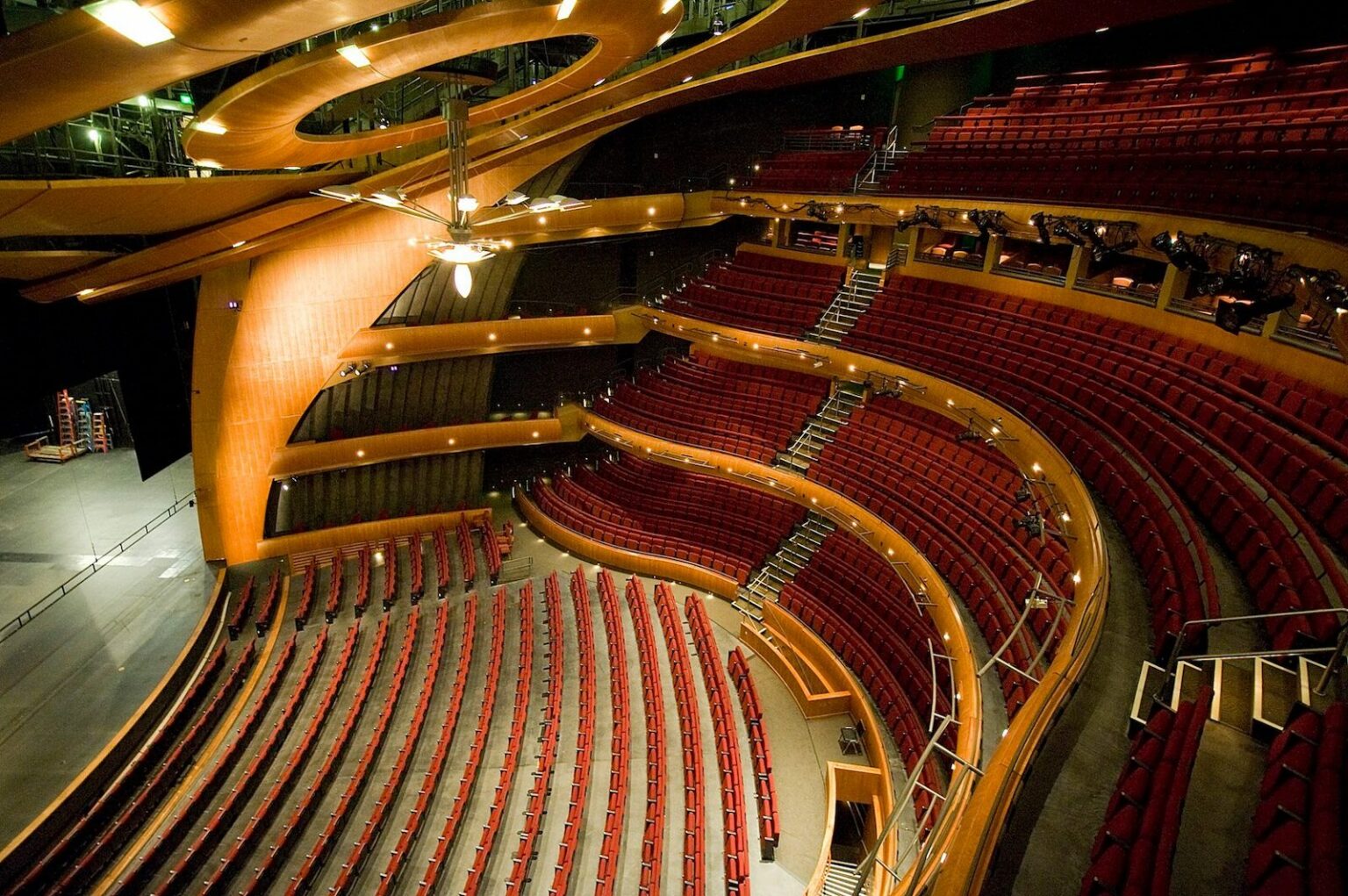
A single major venue does far more than host basketball games and arena tours. The Wells Fargo Center operates as a powerful financial engine in South Philadelphia, driving millions of dollars into local hospitality, small businesses, and municipal tax funds every single year. While outdoor stadiums capture headlines during football season, this indoor arena maintains a relentless calendar that fuels the region's service and entertainment sectors.
Understanding how a multi-purpose venue shapes an urban economy requires looking past ticket sales. From multi-million dollar capital renovations to the ripple effects felt by neighborhood restaurants, the arena dictates a significant share of Philadelphia’s commercial vitality.
The Core Economic Engine of South Philadelphia
Located in the South Philadelphia Sports Complex alongside Lincoln Financial Field and Citizens Bank Park, the Wells Fargo Center anchors a massive regional hub. Operating as the home arena for the Philadelphia Flyers (NHL) and Philadelphia 76ers (NBA), it hosts over 150 major events annually. That sheer volume of foot traffic ensures a steady baseline of consumer spending that doesn't rely on seasonal weather patterns.
When over 20,000 attendees pack the bowl for a sold-out concert or a playoff game, the economic velocity spikes instantly. Visitors purchase parking, buy food and beverages, patronize local hotels, and tip service workers. This continuous loop of commerce supports thousands of direct and indirect jobs across the Philadelphia metropolitan area, ranging from arena operations and security to food distribution and transit staffing.
Private Investment and the Transformation Project
Public infrastructure often relies on taxpayer dollars, but the financial momentum behind the Wells Fargo Center stems largely from private commitment. Comcast Spectacor, the arena's owner and operator, executed a massive seven-year, $400 million private renovation known as "Transformation".
Rather than shutting down for years, the project relied on tight construction windows during NHL and NBA off-seasons. This private capital expenditure achieved several critical economic goals:
- Upgraded premium seating concepts, such as the Assembly Room and specialized club levels, which maximize per-capita spending.
- Modernized concourses, featuring local Philadelphia culinary partners rather than generic concession stands.
- Created construction and trade jobs throughout the multi-phase overhaul, injecting capital directly into local labor markets.
By modernizing the guest experience, the venue increased its competitive edge against other major metropolitan arenas, securing high-profile tours, political conventions, and national tournament rounds that bring lucrative tourist spending into the city.
Ripple Effects on Hospitality and Small Businesses
The true economic footprint of the arena extends well beyond its structural walls. Local businesses in South Philadelphia, Center City, and surrounding commercial corridors experience direct boosts on event nights.
Hotels record higher occupancy rates when multi-day events or marquee concerts draw travelers from across the tri-state area. Public transit systems, including SEPTA's Broad Street Line, capture elevated ridership numbers, proving that a busy arena supports municipal infrastructure utilization. Restaurant owners near the South Philadelphia Sports Complex rely heavily on pre-game and post-game crowds, creating a resilient micro-economy that sustains full-time and part-time service workers throughout the year.
Common Strategic Pitfalls in Venue Economic Analysis
Evaluating the financial contribution of entertainment venues often leads to analytical errors. Stakeholders and researchers frequently make specific mistakes when assessing urban impact:
- Overestimating isolated spending: Assuming every dollar spent at an event is "new" money, ignoring substitution effects where local residents shift their regular entertainment spending inside the arena instead of neighborhood venues.
- Ignoring off-season dormancy: Failing to account for maintenance costs and revenue gaps during summer months when sports leagues are inactive.
- Neglecting supply chain depth: Overlooking the secondary vendors—such as local breweries, security firms, and marketing agencies—that profit from the arena's daily operations.
Frequently Asked Questions
What is the typical seating capacity of the Wells Fargo Center?
The arena seats approximately 21,000 guests for basketball and hockey games, and can scale up to 21,500 or more for certain concert configurations with floor setups.
How does the arena impact Philadelphia's tax base?
Event operations generate substantial tax revenue through amusement taxes, parking taxes, sales taxes on merchandise and concessions, and wage taxes paid by arena and hospitality employees.
Who owns and operates the facility?
The venue is owned and operated by Comcast Spectacor, a Philadelphia-based professional sports and entertainment company that also owns the Philadelphia Flyers.
How do multi-use arenas differ from outdoor stadiums economically?
Indoor arenas operate year-round without weather cancellations, hosting a diverse mix of concerts, family shows, and professional sports, which creates a more consistent, predictable economic output than seasonal outdoor venues.



