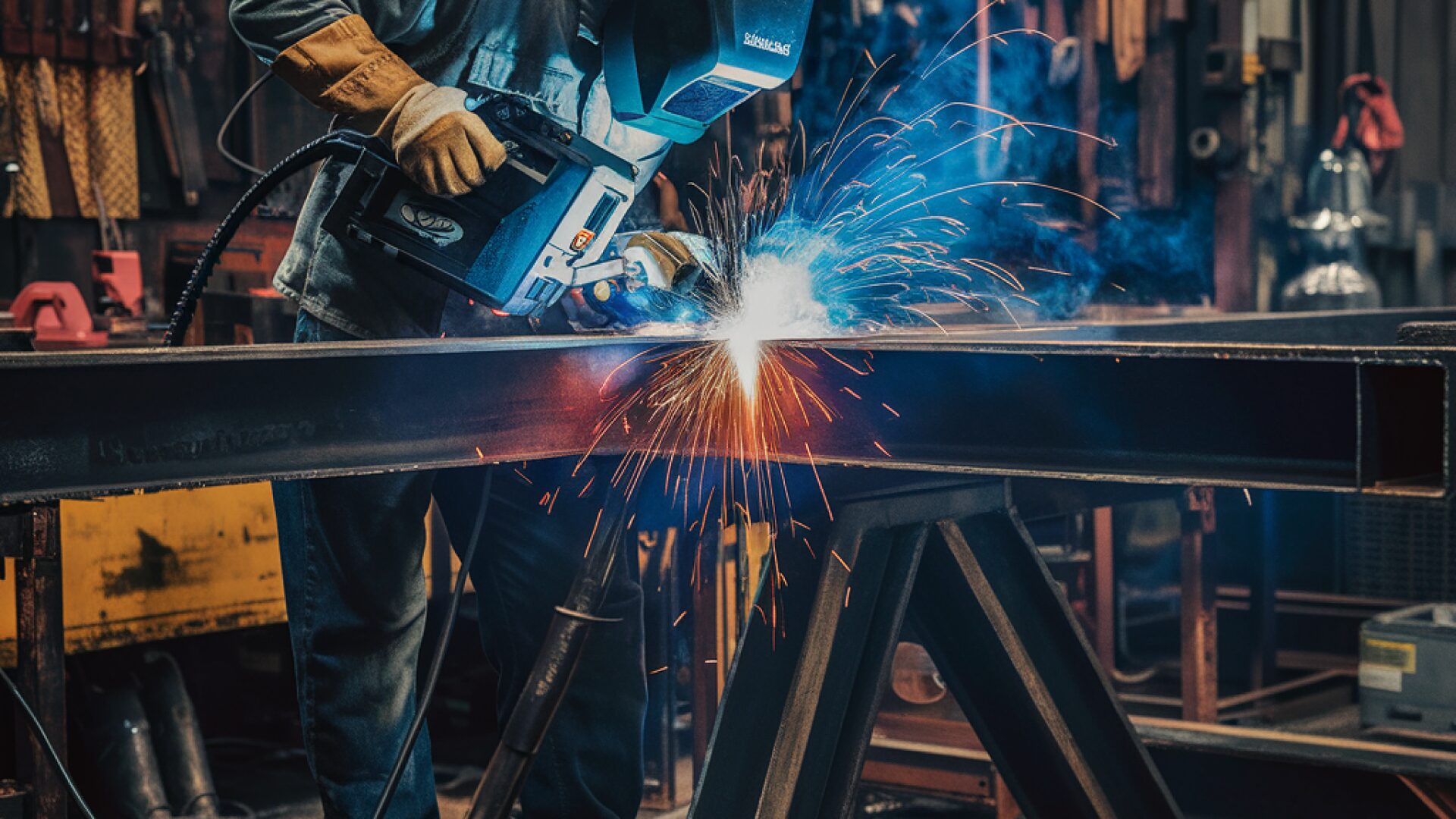
The standard translation for a welder in Spanish is soldador for a male worker and soldadora for a female worker. While the translation sounds simple at first glance, the terminology shifts depending on the specific welding process, regional dialects across Latin America and Spain, and the industrial context. If you work in construction, manufacturing, or heavy industry, knowing how to communicate technical specifications accurately prevents costly fabrication errors on site.
Beyond basic vocabulary, professional metalworkers must navigate distinct welding methods, safety regulations, and certification standards. Whether you're hiring bilingual crew members, studying technical blueprints, or looking to work abroad, mastering the correct terminology ensures clarity across international projects. Let's break down the exact translations, technical jargon, and practical applications you need to know.
Core Translations and Professional Titles
When translating welder in Spanish, soldador is the universally accepted noun. However, different levels of experience and specialization change the title used on official job postings and payroll records.
- Soldador (Soldadora): The general term for a professional welder.
- Soldador calificado: A certified welder who has passed standardized tests for structural or pressure-vessel work.
- Maestro soldador: A master welder or lead hand with extensive experience supervising complex projects.
- Ayudante de soldadura: A welding helper or apprentice who assists with setup, grinding, and material prep.
Industrial shops also distinguish between the person and the equipment. A welding machine is called una máquina de soldar or un equipo de soldar, while the actual process of welding is la soldadura. Confusing the machine (soldadora) with the female worker (soldadora) is a common rookie mistake in bilingual job sites, though context usually clears it up.
Essential Welding Processes in Spanish
Different joining techniques carry specific names in Spanish technical manuals. Knowing these terms helps when reading equipment user guides or ordering supplies from Spanish-speaking distributors.
Shielded metal arc welding (SMAW), commonly known as stick welding, is translated as soldadura por arco eléctrico con electrodo revestido or simply soldadura por arco. Gas metal arc welding (GMAW), or MIG welding, is referred to as soldadura MIG or soldadura MAG depending on whether an inert or active shielding gas is used. Gas tungsten arc welding (GTAW), or TIG welding, is called soldadura TIG.
Flux-cored arc welding goes by soldadura FCAW or soldadura tubular, and oxy-fuel cutting and welding is known as soldadura oxiacetilénica or oxicorte for cutting operations. Each method requires specific consumables, such as electrodos (electrodes), varillas de aporte (filler rods), and gases protectores (shielding gases).
Regional Variations in Spanish Terminology
Language changes across borders, and Spanish-speaking countries use distinct regional terms for tools and shop supplies. If you manage an international crew, understanding these variations prevents confusion on the shop floor.
- Welding torch: Called soplete in Mexico and Spain, but antorcha is increasingly common for MIG/TIG setups across South America.
- Grinder: Frequently called esmeril or amoladora in most regions, while some areas use pulidora.
- Welding helmet: Universally known as careta de soldar or máscara de soldar.
- Chipping hammer: Known as picota or martillo picador.
According to the Real Academia Española, technical vocabulary continues to absorb English loan words due to global manufacturing standards, so terms like MIG, TIG, and flux are widely understood by trade professionals regardless of country.
Reading Blueprints and Technical Specifications
A qualified welder in Spanish must interpret complex fabrication drawings (planos de fabricación). Technical blueprints rely on standard abbreviations and symbols standardized by organizations like the American Welding Society and translated into Spanish technical codes.
- Junta: Joint (butt joint is junta a tope, fillet joint is junta en ángulo).
- Cordón de soldadura: Weld bead or weld pass.
- Penetración: Weld penetration into the base metal.
- Porosidad: Porosity defects inside the weld pool.
- Tratamiento térmico: Heat treatment applied post-welding to relieve stress.
Inspectors check these elements against safety margins. If a weld fails inspection, it's marked as rechazado (rejected) due to defectos de fusión (fusion defects) or fisuras (cracks).
Safety Gear and Hazard Control
Welding environments demand strict adherence to safety protocols. When conducting a safety briefing (charla de seguridad) in a Spanish-speaking workplace, you must know the correct terms for Personal Protective Equipment (PPE), known as Equipo de Protección Personal (EPP).
- Guantes de cuero: Heavy leather welding gloves designed to block UV radiation and heat.
- Delantal de cuero: Leather apron protecting the chest and torso from spatter.
- Gafas de seguridad: Safety glasses worn underneath the helmet during grinding.
- Protección auditiva: Earplugs or earmuffs for loud fabrication shops.
- Ventilación de humos: Fume extraction systems required when welding galvanized or coated metals.
Failure to enforce these rules can lead to eye damage (arco eléctrico or "arc eye" is called ceguera de los arcos or queratoconjuntivitis) and respiratory issues from toxic fumes (humos de soldadura).
Common Mistakes to Avoid
Translating technical trades literally often leads to awkward phrasing or dangerous misunderstandings. Here are pitfalls to avoid:
- Don't use general dictionary translations for machine parts without checking industrial catalogs. For example, translating "clamp" as pinza is correct for a ground clamp (pinza de masa), but pipe fitters might use mordaza or prensa depending on the clamping tool.
- Don't assume certifications transfer automatically across borders. A welder certified under AWS standards in the United States may still need specific European approvals like UNE-EN standards when working on infrastructure projects in Spain.
- Don't overlook local labor laws. Working hours, break requirements, and certification renewals differ significantly between Mexico, Colombia, Spain, and South American mining hubs.
Frequently Asked Questions
What is the exact feminine form for a welder in Spanish?
The feminine form is soldadora. For example, ella es una soldadora profesional translates to "she is a professional welder."
How do you say "welding shop" in Spanish?
A welding shop or fabrication workshop is called un taller de soldadura or un taller metalúrgico.
Are American welding certifications valid in Spanish-speaking countries?
Many multinational energy and construction firms recognize AWS (American Welding Society) and ASME certifications globally. However, local regulatory bodies often require supplemental testing or local code validation.
What is the difference between soldador and soldadura?
Soldador refers to the person doing the work (the welder), while soldadura refers to the process, the skill, or the actual joint created.



