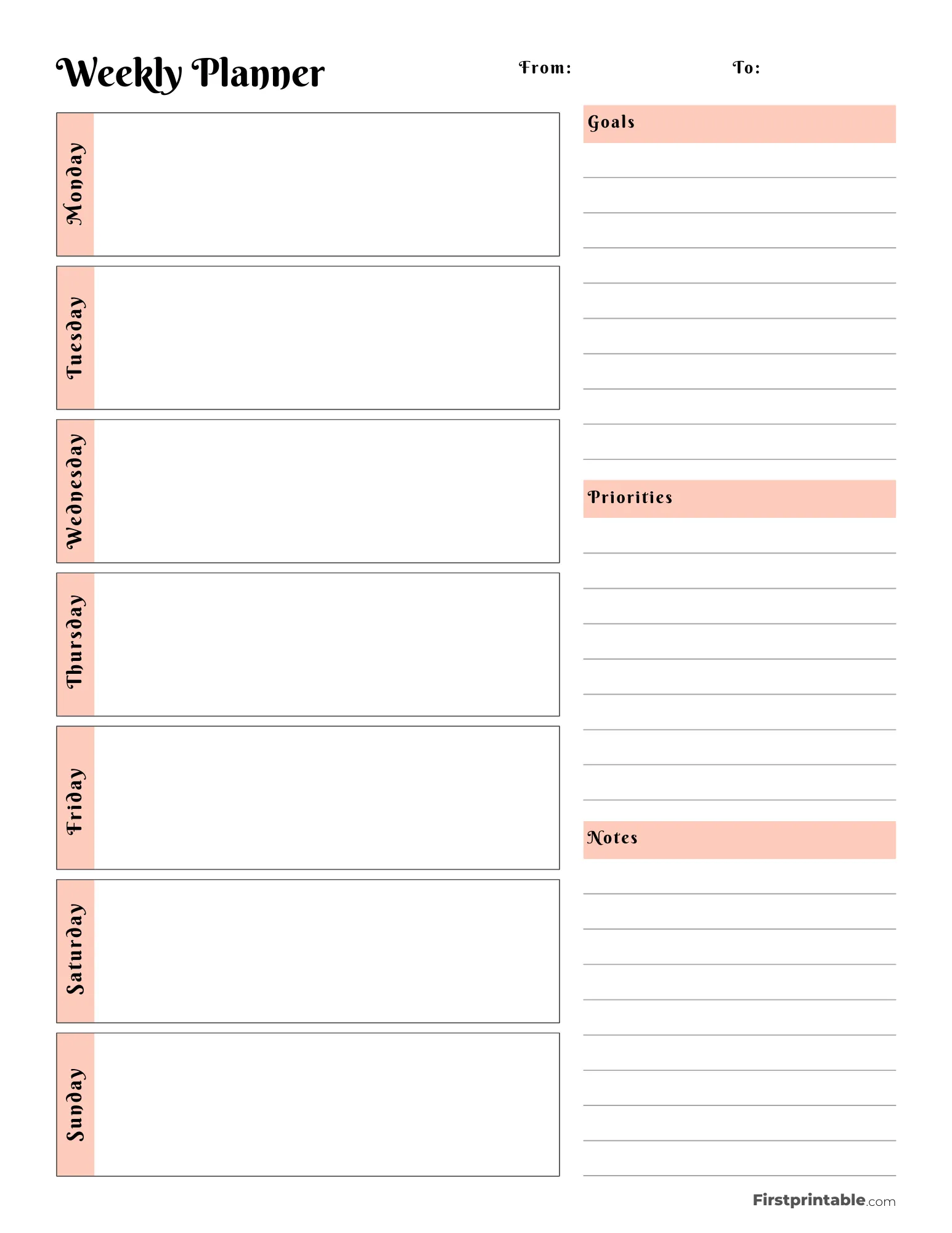
Team communication often breaks down because updates remain scattered across chat threads, quick phone calls, and buried task boards. When nobody shares a clear summary, projects stall and priorities blur. Weekly notes fix this communication gap by giving teams a structured, predictable way to review progress, align on goals, and plan the days ahead without endless status meetings.
Building a consistent weekly note habit changes how groups operate, replacing reactionary firefighting with organized planning. If you want to introduce this practice or refine an existing workflow, you need a repeatable framework that captures the right information without becoming an administrative chore. Let's break down how to design, write, and sustain weekly notes that actually drive results.
Anatomy of an Effective Weekly Note
A poorly structured weekly note quickly becomes noise that team members ignore. To make yours valuable, keep the format lean, predictable, and focused on actionable takeaways. Here is the core structure top-performing teams use to maintain clarity:
- Executive Summary: A three-sentence overview of the week's biggest milestone or primary blocker.
- Key Accomplishments: Bullet points detailing what shipped, closed, or resolved since the last update.
- Current Blockers: Explicit hurdles slowing progress down, paired with who owns the fix.
- Upcoming Priorities: The top three goals for the next seven days so everyone knows where focus belongs.
- Metrics Snapshot: Relevant quantitative data tracking performance against targets.
Keeping sections modular helps readers scan updates in under two minutes. If someone only reads the executive summary and upcoming priorities, they should still grasp the team's operational health for that week. As highlighted in latest reports by Reuters, the results are widespread.
Choosing the Right Platform and Distribution
Where you host and send your weekly notes matters just as much as what's inside them. Relying solely on direct email threads often leads to lost context and fragmented feedback. Instead, choose a centralized system that fits your team's existing habits.
Common distribution channels include collaborative knowledge bases like Notion or dedicated workspace tools like Confluence, which allow team members to leave inline comments and track historical updates over time. For simpler setups, a standardized email template sent at a fixed time each week works well, provided it links back to a permanent archive.
Establish a firm publishing schedule—such as Friday afternoon or Monday morning—so your audience knows exactly when to expect fresh information. Consistency builds the habit. If notes drop randomly, readers stop looking for them.
Common Mistakes That Kill Weekly Note Adoption
Even with good intentions, teams often abandon weekly notes within a month because of avoidable operational errors. Watch out for these common traps when launching your own routine:
- Treating it as a chore: If writers view the note as mandatory busywork rather than a communication tool, the quality drops immediately.
- Writing novels: Exceeding 400 words guarantees low engagement. Keep entries concise and link out to deep-dive documents if extra context is necessary.
- Ignoring feedback: If readers ask questions or report blockers in the comments and nobody responds, trust in the process erodes.
- Inconsistent formatting: Changing the layout every week forces readers to relearn how to scan the update, wasting valuable time.
Step-by-Step Implementation Guide
Rolling out a new communication habit requires intention and clear expectations from leadership. Follow these steps to introduce weekly notes to your team smoothly:
- Define the template: Draft a standard outline using the core sections mentioned above and test it internally for one week.
- Assign ownership: Designate a primary author and a backup so updates never stall due to vacations or sick leave.
- Set the cadence: Pick a fixed deadline for submissions and a scheduled delivery time for the final digest.
- Review and iterate: After one month, survey your team to see which sections proved useful and which ones felt redundant, then refine the template.
Frequently Asked Questions
How long should a weekly note take to write?
An experienced author should be able to compile, format, and publish a weekly note in 30 to 45 minutes by gathering bullet points from project management tools throughout the week rather than writing it from scratch on deadline.
Should weekly notes be public across the entire company?
In most organizations, transparency is valuable. Opening weekly notes to cross-functional partners helps break down silos and keeps leadership informed without requiring extra status reports.
What should I do if a team member repeatedly misses their update deadline?
Address the bottleneck directly by simplifying their reporting requirements or automating data pulls from project management software so they only need to review highlights rather than manually typing metrics.
How do weekly notes differ from daily standup meetings?
Daily standups focus on immediate tactical hurdles and short-term tasks, whereas weekly notes step back to evaluate broader milestones, strategic trends, and multi-day project trajectories.



