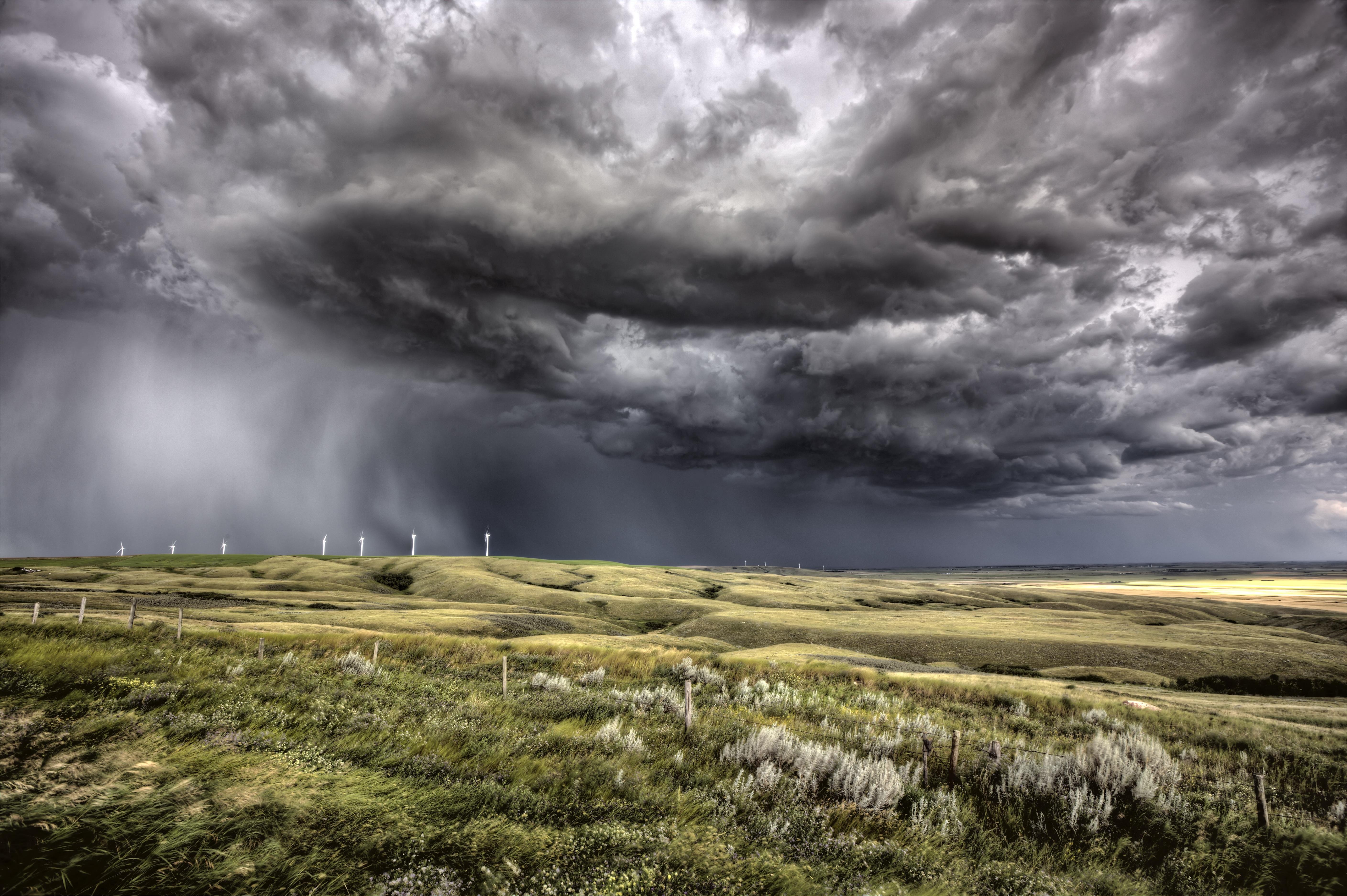
April in the Netherlands brings a delicate balance between crisp winter remnants and the vibrant onset of spring. Daytime temperatures typically hover between 12°C and 15°C (54°F to 59°F), while nights drop to a chilly 5°C to 7°C (41°F to 45°F). You'll experience a mix of bright, clear skies and quick passing showers, living up to the classic Dutch proverb that April showers bring May flowers.
Planning a trip or an extended stay requires understanding regional quirks, packing strategies, and how to navigate the famously unpredictable winds. While it's one of the best times to see the country's legendary tulip fields in full bloom, preparation for sudden shifts in the atmosphere makes all the difference.
Temperature Breakdown Across Dutch Regions
The Dutch landscape is compact, yet regional microclimates create noticeable variations in daily weather. Coastal areas experience stronger breezes that keep temperatures feeling brisk, whereas inland cities like Utrecht or Eindhoven trap a bit more daytime warmth.
Coastal vs. Inland Climates
Along the coastlines of The Hague, Zandvoort, and Scheveningen, marine winds dictate the rhythm. Daytime highs sit around 12°C (54°F), but a stiff sea wind can make it feel significantly colder. Moving inland toward Amsterdam, Rotterdam, or Maastricht, average afternoon highs edge closer to 14°C to 16°C (57°F to 61°F). On particularly bright days, sheltered city streets feel quite comfortable in just a light sweater.
Nighttime Freezing Risks
Even when afternoons reach pleasant spring levels, nights remain cold. Early April mornings occasionally feature frost on car windshields and park grass, especially in rural areas or the eastern provinces like Groningen and Drenthe. If you're out late exploring city canals or attending evening events, a heavy winter coat or a warm fleece is mandatory.
Rainfall Patterns and Sunshine Hours
Rain in April rarely ruins an entire day. Instead, showers arrive quickly, clear out within an hour, and often leave behind dramatic skies favored by Dutch landscape painters.
- Precipitation Volume: Total monthly rainfall stays relatively low compared to autumn and winter, averaging around 40 to 55 millimetres across the country. You'll encounter brief, scattered rain pockets rather than torrential downpours.
- Sunshine Duration: April marks a notable uptick in daylight. The Netherlands enjoys an average of 5 to 6 hours of sunshine daily, with longer evenings pushing sunset past 8:30 PM by the end of the month.
- The Wind Factor: Gusty days are common as weather fronts collide over the flat terrain. A sturdy windproof umbrella is essential because cheap models turn inside out within minutes.
What to Pack for Variable Spring Weather
Dressing for April in the Netherlands means mastering the art of layering. Locals rarely leave home without anticipating three different types of weather in a single afternoon.
- Base Layers: Pack breathable long-sleeve shirts and light sweaters that you can easily add or remove as you transition from heated museums to breezy outdoor plazas.
- Outerwear: Bring a windproof and waterproof jacket with a hood. Softshells or trench coats work well if they block the chill.
- Footwear: Comfortable, waterproof walking shoes are non-negotiable. Cobblestone streets in Amsterdam or muddy paths near the Keukenhof flower gardens will test regular sneakers instantly.
- Accessories: A lightweight scarf and gloves for early mornings or evening bike rides will keep you warm against the North Sea drafts.
Seasonal Highlights Worth Braving the Weather For
Despite the meteorological mood swings, April is prime time for cultural and natural spectacles across the country.
The Tulip Fields and Keukenhof
The world-famous Keukenhof Gardens open specifically for the spring season, showcasing millions of blooming hyacinths, daffodils, and tulips. Mid-to-late April typically offers peak viewing for the surrounding bulb fields in the Bollenstreek region. Cycling past rows of vibrant color remains an unforgettable experience, provided you wear a windbreaker.
King's Day (Koningsdag)
Celebrated annually on April 27th, King's Day turns every Dutch city into a massive orange-clad street party. Outdoor flea markets, live music, and boat-filled canals create an electric atmosphere. Weather during King's Day swings wildly from year to year—ranging from warm, sunny afternoon beer gardens to sudden chilly drizzles that send crowds running into cozy local brown cafes.
Common Mistakes to Avoid
- Trusting a sunny morning forecast: A bright, cloudless 9:00 AM sky can transform into a gusty rain squall by noon. Always carry your rain gear.
- Underestimating the windchill: A thermometer reading of 13°C feels much colder when a 20 km/h breeze sweeps across open polders or flat countryside.
- Renting a standard city bike without checking brakes and gear: Cycling is the best way to get around, but riding against a strong headwind requires functional gear. Consider an e-bike if you plan to cover long distances outside city centers.
Frequently Asked Questions
Does it ever snow in the Netherlands in April?
Snow is rare in April, but brief, unexpected sleet or wet snow flurries can occasionally occur during the first week of the month if cold polar air pushes down from the north. It rarely settles on the ground for long.
How crowded are tourist spots in April?
April is the official kickoff of peak tourism season, driven by the flower bloom and major holidays. Popular attractions like Amsterdam museums and the Keukenhof gardens get very busy, so booking tickets well in advance is essential.
Are outdoor terraces open in April?
Yes, cafes and restaurants roll out their outdoor seating and patio heaters as soon as the sun breaks through. Locals take full advantage of any afternoon warmth, sitting outside even when temperatures require keeping coats on.


