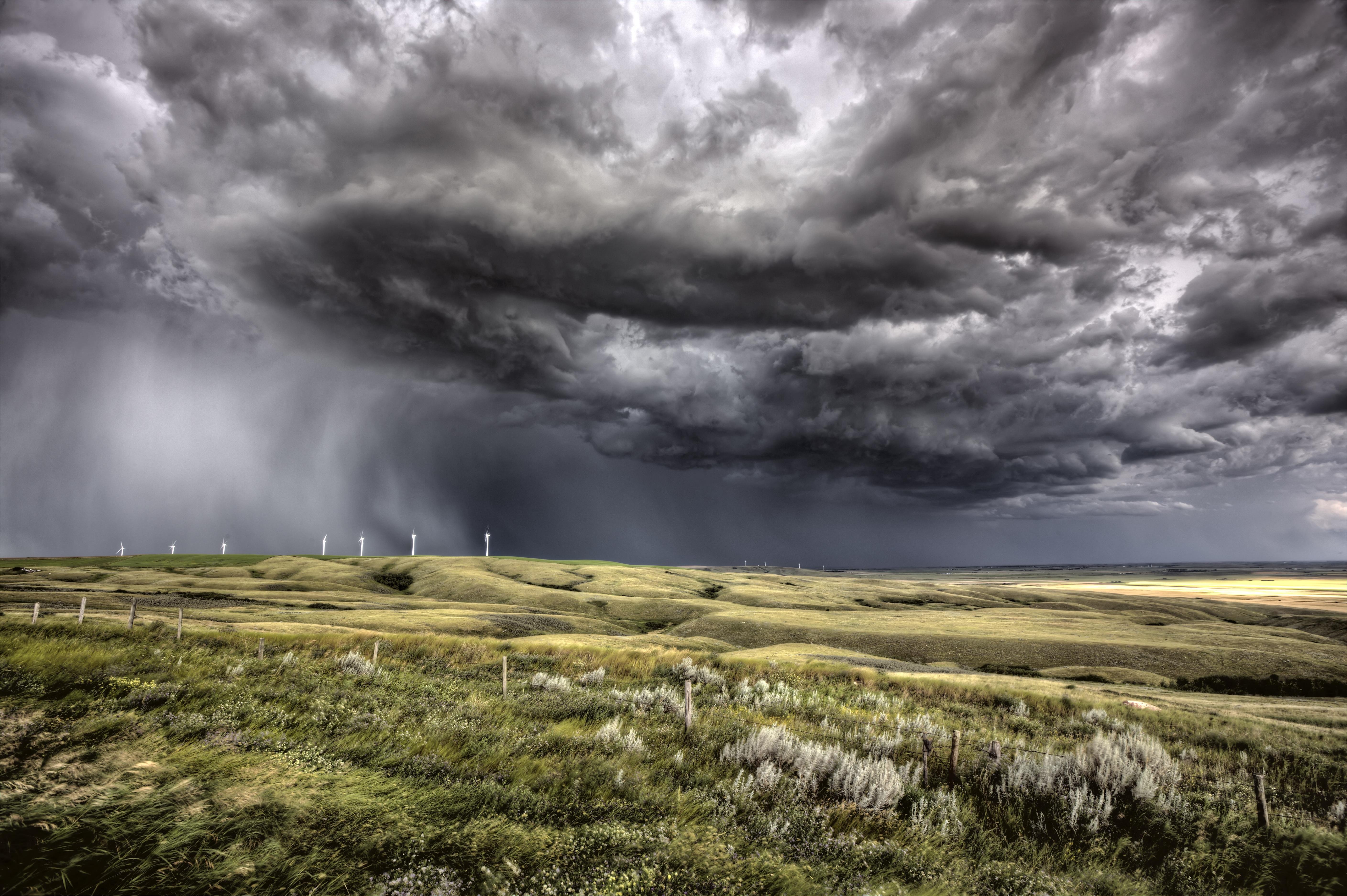
Navigating the weather in Helotes TX requires an understanding of the unique transition zone where the southern edge of the Edwards Plateau meets the South Texas plains. Situated just northwest of San Antonio, this community experiences subtropical weather marked by intense summer heat, mild winters, and erratic rainfall patterns that can shift from drought to flash flooding within hours.
Average high temperatures peak at 97 degrees Fahrenheit in August, while January brings mild winter lows averaging around 41 degrees. Because the terrain features rolling hills and limestone topography, local microclimates play a major role in daily conditions, making a standard regional forecast insufficient for accurate outdoor planning or property management.
Seasonal Temperature Breakdown in Helotes
Understanding how temperatures fluctuate across the year helps residents and visitors prepare for extreme seasonal shifts. Summer doesn't merely arrive; it settles in for nearly four months of consecutive high heat.
Summer Heat and Humidity Dynamics
From late May through mid-September, daily high temperatures routinely exceed 88 degrees, frequently pushing past 95 degrees in July and August. Humidity levels spike when southern Gulf breezes push moisture inland, driving dew points above 65 degrees and creating a heavy, muggy atmosphere. While air conditioning is non-negotiable during these months, outdoor workers and athletes must schedule strenuous tasks for the early morning hours before solar radiation peaks.
Mild Winters and Frost Risks
Winters in the Texas Hill Country are short and generally mild, but they come with sudden volatility. January is typically the coldest month, featuring average highs of 65 degrees and lows dipping to 41 degrees. However, cold fronts known locally as "blue northers" can drop temperatures by 30 degrees in a matter of hours. While prolonged freezing is rare, hard freezes can occur, requiring proper pipe insulation and protection for sensitive outdoor plants.
Rainfall Patterns and Extreme Weather Risks
Precipitation in Helotes is notoriously uneven. The region averages roughly 32 to 35 inches of annual rainfall, but it doesn't fall in neat, steady showers. Instead, rain arrives in intense, isolated storms.
Spring Storms and Flash Flooding
May is historically the wettest month of the year, bringing heavy thunderstorms fueled by warm Gulf air colliding with cooler continental fronts. Because the local limestone terrain features thin soils and rapid runoff, heavy downpours can trigger flash flooding along low-water crossings and creeks like Helotes Creek. Monitoring local alerts from the National Weather Service is vital during severe spring storm cells.
Drought Cycles and Water Restrictions
Conversely, summer and late-season dry spells frequently plunge the area into drought conditions. The Edwards Aquifer Authority often mandates seasonal watering restrictions for lawns and landscaping to preserve municipal water supplies. Property owners in Helotes must balance landscaping upkeep with strict adherence to local conservation rules.
Preparing Your Home and Property for Hill Country Climate
Living in this environment demands proactive property maintenance. The combination of high UV exposure, blistering summer heat, and severe wind-and-hail events takes a heavy toll on residential infrastructure.
- Roof and Siding Resilience: High winds and occasional spring hail require impact-rated roofing materials. Regular inspections prevent minor shingle damage from turning into costly leaks during severe thunderstorms.
- Foundation Protection: Prolonged dry spells cause the clay-heavy soils of the region to shrink, which can shift foundations. Controlled watering systems around foundation perimeters help maintain soil moisture stability.
- HVAC Optimization: Air conditioning units run nearly half the year under heavy load. Scheduling professional tune-ups in early spring prevents costly breakdowns during peak July heatwaves.
- Drainage Management: Clear gutters and landscape grading ensure that torrential spring downpours divert safely away from structures rather than pooling near foundations.
Frequently Asked Questions
Does Helotes ever get snow?
Snow is a rare event in Helotes. Trace amounts or flurries occur infrequently, usually once every few years, and major accumulations that disrupt daily life happen less than once a decade.
When is the best time of year to visit Helotes?
The most comfortable outdoor windows span from mid-March to mid-May and from late September to early November. During these months, humidity is lower, and daytime highs hover comfortably in the 70s and 80s.
How do local microclimates affect daily weather?
Elevation changes across the Hill Country ridges and valleys can cause localized temperature variations of a few degrees, as well as localized wind channeling and sudden shifts in cloud cover compared to downtown San Antonio.
Where can I check real-time road conditions during floods?
During heavy rain events, low-water crossings can become impassable quickly. You can check live updates through the Texas Department of Transportation road conditions map before traveling.


