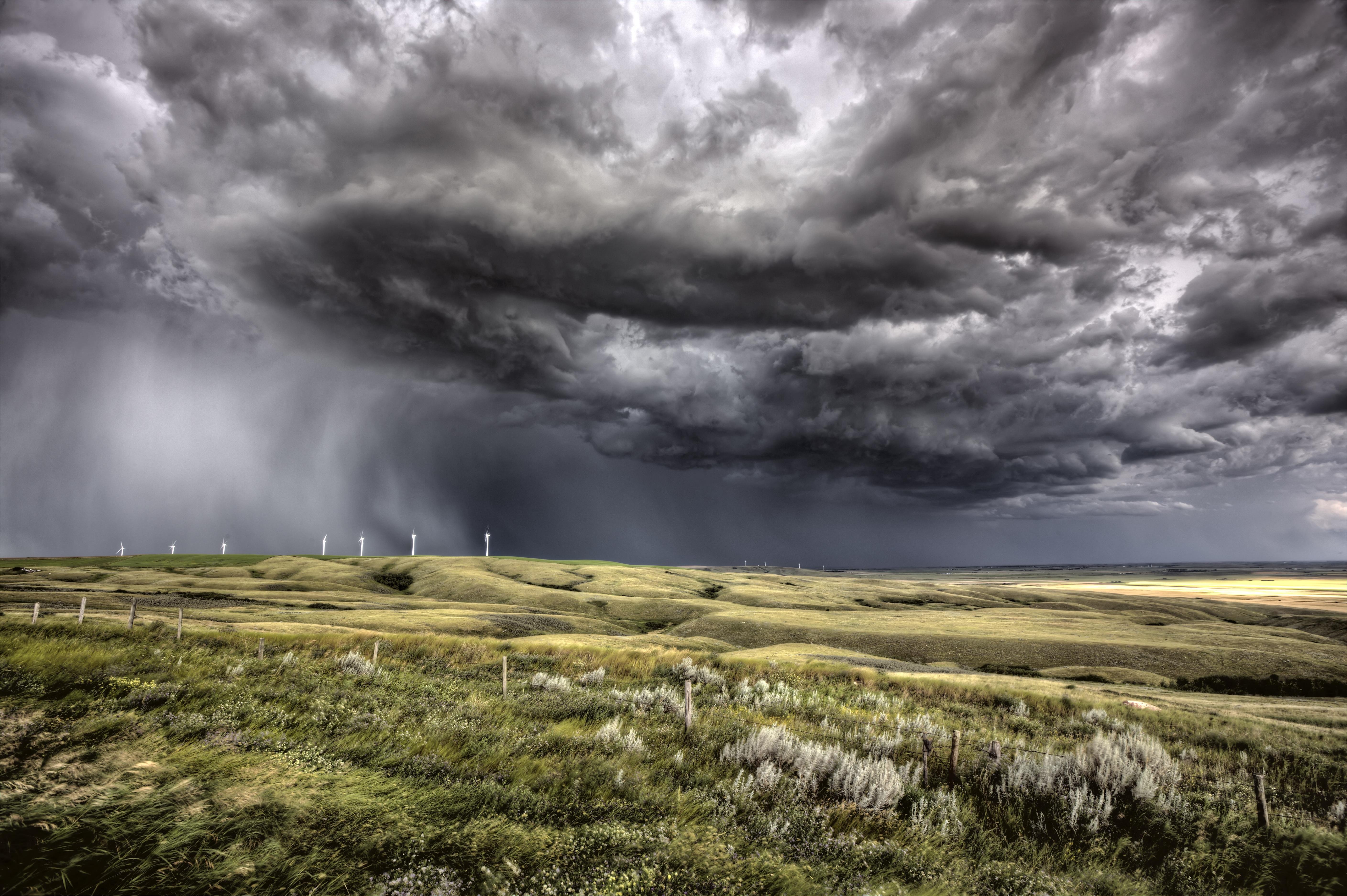
Weather for Helotes Tx dictates daily life on the edge of the Texas Hill Country, where subtropical heat meets sudden cold fronts sweeping down from the plains. If you live here or plan to visit, understanding the local climate means preparing for intense summer highs, mild winters, and localized storm dynamics driven by Bexar County's unique topography.
Summer temperatures regularly soar past 95°F between June and September, accompanied by high humidity that drives heat indices even higher. Conversely, winters remain short and generally mild, with daytime highs hovering in the mid-60s, though rare arctic outbreaks can introduce freezing conditions. Rain is distributed unevenly throughout the year, peaking during the spring months.
Seasonal Breakdown of Helotes Climate
A year in Helotes moves through distinct shifts in temperature, moisture, and wind. Knowing what to expect during each season helps residents manage everything from utility bills to outdoor landscaping.
Summer Heat and Humidity Dynamics
The warm season spans roughly from late May to mid-September. August stands out as the hottest month, recording average highs of 97°F and frequent spikes above 100°F.
- High humidity levels from the Gulf of Mexico make July and August feel exceptionally muggy.
- Afternoon shade and hydration are essential for anyone working or exercising outdoors.
- Air conditioning systems run continuously, driving up local electricity demand across the CPS Energy grid.
Mild Winters and Cold Fronts
Winter in Helotes is brief, running from late November through February. January brings average lows of 41°F and average highs near 65°F.
- True freezing temperatures are infrequent, occurring only a handful of times each winter.
- Fast-moving cold fronts, locally known as "blue northers," can drop temperatures by 30 degrees in a matter of hours.
- Snowfall is practically nonexistent, though freezing drizzle or sleet occasionally prompts local school delays.
Rainfall Patterns and Severe Weather Risks
Helotes averages roughly 32 to 35 inches of precipitation annually, but rain rarely falls in steady, gentle amounts. Instead, moisture arrives in concentrated downpours.
Spring Storms and Flash Flooding
May is typically the wettest month of the year, averaging over 4 inches of rain.
- Spring convective storms often produce heavy rainfall in short windows.
- Low-water crossings along local creeks and roads can flood rapidly during intense downpours.
- Monitoring real-time updates from the National Weather Service San Antonio is vital during severe thunderstorm warnings.
Spring and Summer Wind Patterns
Winds pick up notably during the spring, with April frequently recording the highest average speeds around 15 to 16 mph. Gusts accompanying squall lines can knock out power lines and challenge high-profile vehicles on local thoroughfares like Bandera Road.
Local Impacts on Infrastructure and Daily Life
The climate of Helotes directly shapes local architecture, native flora, and community planning.
- Drought and Water Restrictions: Extended dry spells during mid-summer prompt local Edwards Aquifer Authority guidelines, requiring residents to follow specific lawn-watering schedules.
- Native Landscaping: Homeowners lean heavily on drought-tolerant plants, Texas sage, and live oaks that withstand intense sun exposure and alkaline soil.
- Outdoor Recreation: Hill Country parks and local trails see peak foot traffic from October through April, when cooler mornings make hiking comfortable.
Frequently Asked Questions
When is the best time of year to visit Helotes?
The most comfortable months for outdoor activities run from October through April. Temperatures are mild, humidity remains lower, and the risk of extreme heat exhaustion is minimal.
Does Helotes experience severe weather like tornadoes?
While tornadoes are rare in the immediate Helotes area, severe thunderstorms bringing large hail, damaging winds, and frequent cloud-to-ground lightning occur regularly during spring and autumn frontal passages.
How does the Edwards Aquifer affect local weather restrictions?
Helotes sits atop a sensitive recharge zone for the Edwards Aquifer. Weather conditions dictate local stage-based watering rules to manage municipal water consumption during dry periods.


