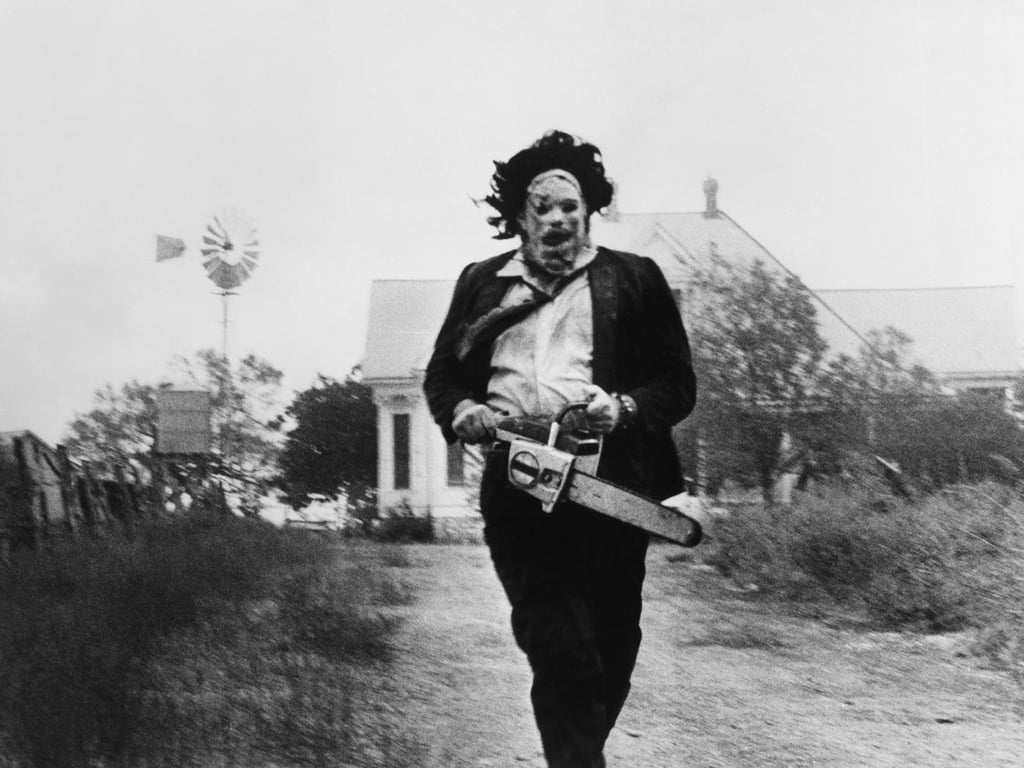
Leatherface was not a real person, and no chainsaw-wielding cannibal ever terrorized rural Texas in the nineteen-seventies. Instead, the iconic antagonist of The Texas Chain Saw Massacre (1974) is a fictional cinematic creation crafted by director Tobe Hooper and screenwriter Kim Henkel [The Texas Chain Saw Massacre]. Yet the question persists because the film famously marketed itself as being "based on a true story," a promotional hook that blurred the line between Hollywood myth and historical reality.
While Leatherface himself never existed, his character borrowed heavily from real-world horrors. The filmmakers drew direct inspiration from Ed Gein, a quiet handyman and convicted murderer from Plainfield, Wisconsin, whose gruesome crimes shocked the United States in 1957. By examining the actual case files of Gein alongside the cinematic liberties taken by Hooper and Henkel, we can separate the historical facts from the enduring urban legends surrounding one of horror cinema's most terrifying figures.
The Real Inspiration: Who Was Ed Gein?
Edward Theodore Gein, often called the Plainfield Ghoul, lived an isolated life on a rundown farm in central Wisconsin [Ed Gein]. Following the deaths of his domineering mother and his brother, Gein retreated entirely into his own world. When local hardware store owner Bernice Worden disappeared in November 1957, investigators tracked her final known whereabouts to Gein's property [Ed Gein].
What police found inside Gein's farmhouse horrified the nation and permanently altered American pop culture. Investigators discovered decapitated human remains, bowls manufactured from human skulls, chairs upholstered with human skin, and masks fashioned from the faces of deceased women taken from local graveyards [Ed Gein]. Gein confessed to murdering Worden and tavern owner Mary Hogan, and he admitted to exhuming bodies from nearby cemeteries to fuel his macabre hobby [Ed Gein].
However, Gein's actual crimes differed significantly from the cinematic portrayal of Leatherface. Gein acted alone, operated quietly as a local handyman, and did not use a chainsaw. His crimes were rooted in severe mental illness and an obsession with anatomy, rather than the loud, chaotic family enterprise depicted on screen.
Translating Wisconsin Realities to Texas Fiction
Tobe Hooper and Kim Henkel took the chilling details of Gein's case—specifically the use of human skin masks and household items crafted from bone—and transplanted them into a very different cultural landscape. They shifted the setting from the cold, snowy fields of Wisconsin to the sweltering, desolate highways of Texas during the economic anxieties of the early 1970s.
Several key departures separated the fictional Leatherface from his real-world inspiration:
- The Weapon: Gein used a .22-caliber rifle to commit his murders. Leatherface famously wields a roaring chainsaw, a prop chosen by the filmmakers because it made for visceral, high-tension cinema in confined spaces.
- The Family: Gein was a solitary hermit who lived by himself after his mother died. Leatherface is part of a large, deranged, and explicitly cannibalistic family that operates a roadside barbecue business.
- The Motive: Gein's grave-robbing and mutilations stemmed from a fractured psyche and an unhealthy fixation on his deceased mother. The fictional family in the film operates as a grotesque economic unit, killing travelers out of warped self-reliance and tradition.
For a detailed look at the legal proceedings and psychological evaluations surrounding the actual case, you can read the historical overview provided by Britannica's Ed Gein Biography.
Other Real-World Influences Behind the Film
Ed Gein was not the only dark thread woven into the screenplay. The creators also drew inspiration from other contemporary American crime stories that dominated news headlines during the late nineteen-sixties and early seventies.
Reports of sensationalized rural violence, rising crime rates, and the general cultural disillusionment following the Vietnam War and the Watergate scandal heavily influenced the tone of the movie [The Texas Chain Saw Massacre]. The filmmakers wanted to capture a raw, documentary-style grit that felt immediate and threatening, making audiences feel as though such horrors could happen on any forgotten backroad.
Furthermore, the eerie isolation of rural gas stations and desolate farmhouse properties served as a universal fear factor for travelers. By tapping into these genuine anxieties, the production created an atmosphere of inescapable dread that went far beyond a simple monster movie.
Common Misconceptions About Leatherface and the True Story
Because urban legends spread quickly online, several persistent myths continue to confuse viewers. Clarifying these points helps keep the historical record straight:
- Myth: Leatherface was based on a specific Texas murderer. Fact: No such killer existed in Texas history. The connection to the Lone Star State was entirely artistic license.
- Myth: Ed Gein used a chainsaw. Fact: Gein never owned or used a chainsaw. The tool was added purely for cinematic impact.
- Myth: The entire Sawyer family is real. Fact: The entire clan, including Drayton and the hitchhiker, are entirely fictional characters written for the script.
To explore how Hollywood adapts true crime into cultural touchstones, you can review the analysis hosted by the Alcatraz East Crime Museum Library.
Frequently Asked Questions
Was Leatherface based on a true story?
Not directly. While the character's habit of wearing human skin masks was inspired by real-life grave robber Ed Gein, the specific plot, characters, and setting of the film are entirely fictional.
Did Ed Gein ever use a chainsaw?
No. Ed Gein used a .22-caliber rifle for his two confirmed murders. The chainsaw was added by filmmakers to heighten the suspense and violence on screen.
Where is Ed Gein now?
Ed Gein was found legally insane following his arrest in 1957 and spent the remainder of his life in psychiatric facilities [Ed Gein]. He died of respiratory and heart failure at the Mendota Mental Health Institute in July 1984 at the age of seventy-seven [Ed Gein].
Why did the movie claim it was based on true events?
The "true story" label was partially a marketing strategy designed to draw audiences into theaters by capitalizing on the notoriety of Ed Gein and the general public's fascination with real-life American crime.



