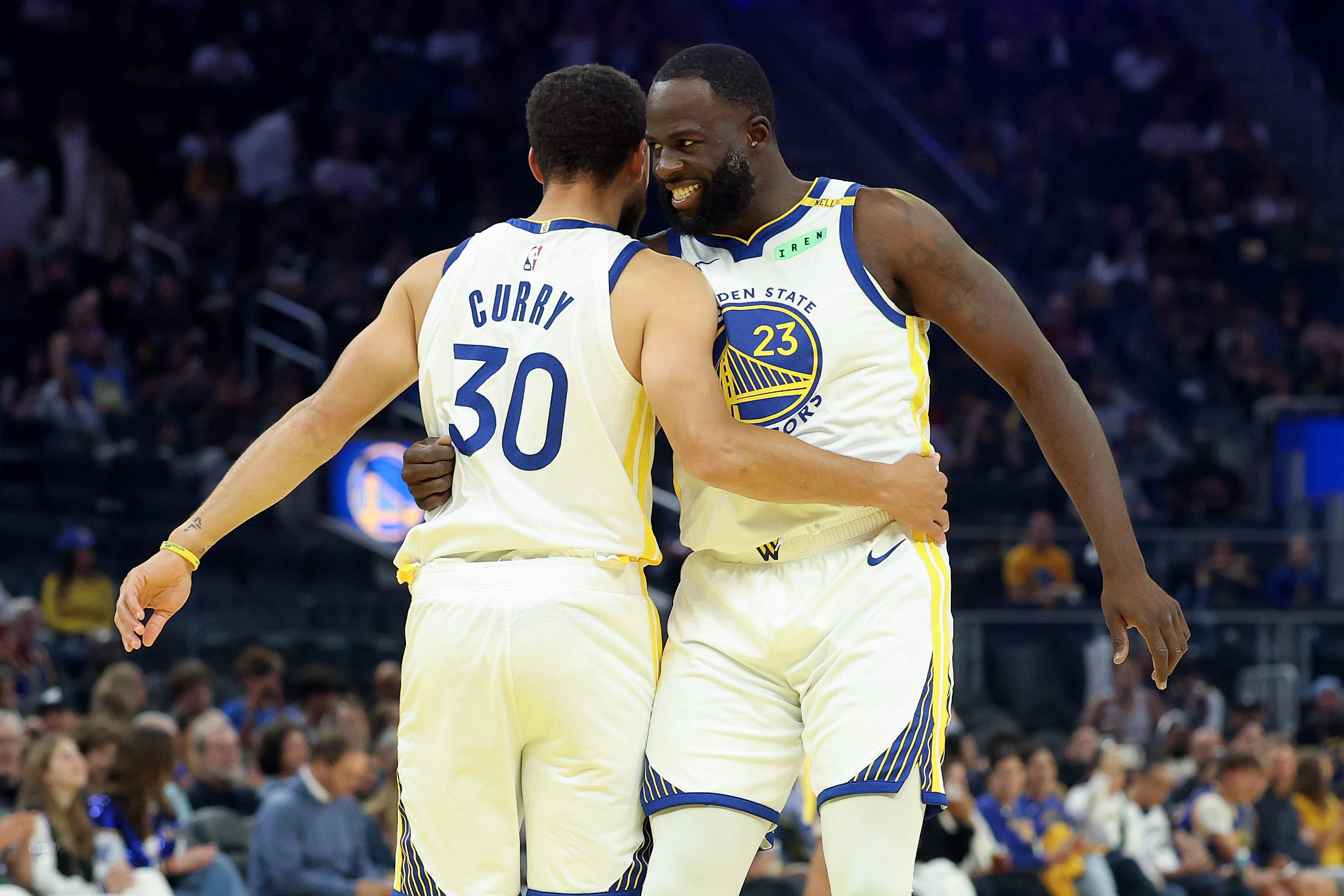
The Golden State Warriors have long defined their era of basketball through tactical flexibility, high-paced ball movement, and unconventional roster constructions. When fans search for the warriors starting lineup today, they aren't just looking for a simple list of names; they want to understand how shifting rotations unlock spacing, defensive versatility, and transition dominance. Modern basketball success in San Francisco relies heavily on matching personnel strengths with fluid tactical systems rather than rigid positional labels.
Success for the Warriors isn't born from a static five-man unit that plays forty minutes together. Instead, it stems from a deliberate coaching philosophy managed by Steve Kerr, where individual skill sets blend into a cohesive engine. Examining how these pieces fit together reveals the actual mechanics behind the franchise's sustained competitiveness.
The Foundation of Modern Small-Ball Tactics
The signature identity of Golden State relies on pace, space, and constant motion. Traditional center-heavy rotations often get bogged down against switch-heavy defenses. By deploying smaller, highly skilled units, the team creates immediate mismatches across the perimeter.
- Pace over size: Pushing the ball up the floor before the defense can set neutralizes rim protectors.
- Continuous cutting: Off-ball gravity generated by elite shooters opens driving lanes for secondary playmakers.
- Positional fluidity: Players rotate through guard and forward roles interchangeably, keeping defenses constantly guessing on switches.
When the primary group steps onto the floor, the objective is establishing an immediate rhythm. Opponents are forced to choose between staying tight on outside shooters or conceding easy driving lanes to the basket.
Draymond Green and Defensive Anchoring
Any breakdown of Golden State's rotation must account for the unique role played by Draymond Green. Operating largely from the frontcourt, Green serves as the defensive quarterback and secondary playmaker. His ability to guard multiple positions allows the coaching staff to surround him with perimeter threats without sacrificing interior toughness.
"Draymond's value lies in his capacity to read the floor two plays ahead, blowing up opponent sets before they fully materialize."
👉 See also: Zach Edey Siblings: Meet
This defensive versatility enables the team to switch almost everything on the perimeter. When guards can trust their backline help, they pressure ball-handlers much higher up the court, disrupting opponent offensive initiation right from the inbound pass. You can learn more about team structures and player tracking through the National Basketball Association Official Site.
Evolving Rotation Patterns and Bench Contributions
A starting unit only succeeds if the supporting cast maintains or extends leads. Modern NBA schedules demand deep rotations, forcing coaching staffs to stagger minutes carefully. Key contributors coming off the bench often dictate whether a quarter ends in a surge or a slump.
- Energy setters: Defensive-minded reserves enter the game specifically to disrupt opponent momentum and secure loose balls.
- Spacing specialists: Shooters are inserted to maintain floor geometry when primary scorers rest.
- Secondary creation: Ball-handlers who can run pick-and-roll sets prevent stagnant offensive possessions.
Managing player loads across an eighty-two-game season means starting lineups fluctuate due to injuries, rest protocols, and matchup-specific adjustments. Staying flexible ensures the team doesn't lose its identity when a regular starter sits out.
Common Misconceptions About Golden State's Success
Casual observers often attribute the franchise's championship pedigree entirely to historic three-point shooting. While shooting gravity remains vital, focusing solely on long-range jumpers ignores the deeper infrastructure required to win consistently.
- Myth: The team relies exclusively on offense. Reality: Elite defensive communication and transition denial form the bedrock of their biggest victories.
- Myth: Lineups never change. Reality: Coaching staffs constantly tweak starting five combinations to exploit specific opponent weaknesses or manage physical wear-and-tear.
- Myth: Star power covers all tactical flaws. Reality: Role players execute hyper-specific screening and cutting assignments that require precise timing and high basketball IQ.
For broader context on sports analytics and historical franchise performance, visit Basketball Reference.
Frequently Asked Questions
How often does the starting lineup change?
Rotations shift based on injuries, tactical matchups, and hot streaks. While core anchors remain consistent, supporting starters adjust frequently over the course of a long season.
Why is floor spacing so critical for this system?
Without players who demand deep defensive respect, opponents pack the paint, neutralizing driving lanes and cutting off passing angles for playmakers.
What defines a successful small-ball frontcourt?
Mobility, high-level passing, and the ability to switch pick-and-rolls without getting exposed by bigger players in the post are essential traits.
How do injuries impact daily rotation strategies?
When primary options miss time, coaching staffs rely on versatile bench pieces to step into expanded roles, altering the team's defensive and offensive focal points temporarily.


