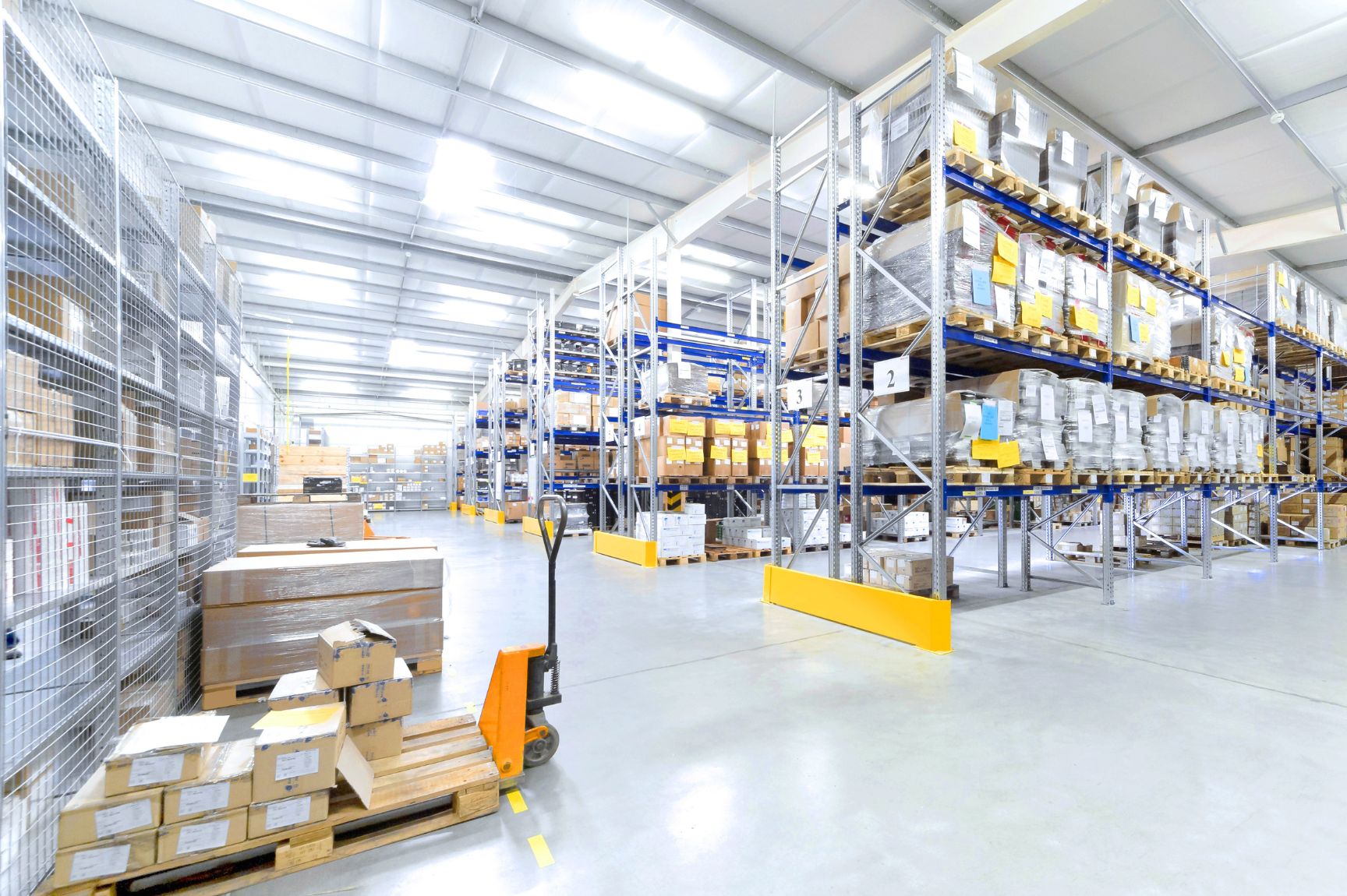
Organizing a large-scale inventory test requires turning traditional supply chain processes into an engaging team challenge. The warehouse game of hide the package transforms standard asset tracking and stock auditing into a fast-paced exercise in spatial awareness, logistics planning, and strategic concealment. Instead of treating inventory audits as dry paperwork, teams compete to map out storage facilities, optimize concealment zones, and locate missing parcels under strict time constraints.
If you're looking to run this event for team building or operational training, you need clear parameters, strict safety protocols, and a solid grasp of warehouse geometry. This guide breaks down the mechanics, setup steps, and tactical planning needed to run a successful event without disrupting standard facility operations.
Understanding the Logistics and Core Objectives
At its core, the game replicates real-world asset tracking challenges. Warehouses are complex spaces filled with racking systems, high-density shelving, pallet jacks, and fluctuating inventory levels. When items are misplaced or mislabeled in a real supply chain, operational efficiency plummets. This game simulates that pressure by assigning teams specific packages to hide within designated zones, while rival teams race to recover them using only a limited set of manifests and clues.
The exercise tests three primary supply chain competencies:
- Spatial Literacy: Participants must instantly read vertical and horizontal warehouse layouts to identify high-probability and low-probability zones.
- Inventory Tracking: Every package must be logged, tracked, and verified against a master manifest to prevent permanent loss.
- Time Management: Teams balance the effort spent hiding items securely against the time required to search for opposing team assets.
Setting Up the Course and Rules
Running an orderly event requires clear boundaries and strict adherence to facility safety protocols. Before letting participants onto the floor, organizers must establish firm guidelines to prevent accidents with heavy machinery or inventory damage.
Establishing Boundaries and Zones
Designate specific aisles or sections of the facility as active play zones. High-risk areas containing heavy operating equipment, hazardous materials, or fragile high-value stock must remain completely off-limits. Mark these restricted zones clearly with high-visibility tape or cones.
Package Specifications
Regulate the size, weight, and labeling of all items used in the challenge. Standardize the parcels so that no team has an unfair physical advantage. Every package must feature a unique barcode or tracking number matching the master ledger maintained by the floor supervisor.
Safety Protocols
Safety always overrides gameplay. Mandatory high-visibility vests, steel-toed boots, and hard hats must be worn at all times. Climbing racking structures, moving pallets without authorization, or opening sealed commercial inventory crates results in immediate disqualification.
Strategic Approaches for Hiding and Finding
Winning requires more than running fast through aisles. Successful teams treat the warehouse floor like a chessboard, utilizing blind spots, vertical elevation, and decoys.
Smart Concealment Tactics
Avoid obvious spots like open floor pallets or eye-level shelf spaces. Instead, look for micro-environments within the storage layout. Think about shadow lines behind standard stock, empty tote bins, or multi-tier shelving units where a parcel blends into the background. However, ensure the package remains retrievable without damaging surrounding inventory or violating safety codes.
Systematic Searching
When searching for rival parcels, avoid random wandering. Divide your team into specialized roles: one member tracks the master manifest and decodes clues, while others sweep designated aisle blocks methodically from top to bottom. Checking high-density storage requires patience and clear communication to avoid duplicating efforts.
Frequently Asked Questions
How long does a typical warehouse game session last?
Most standard sessions run between two and three hours. This window allows adequate time for a briefing, thirty minutes for hiding parcels, ninety minutes for the active search phase, and a final debrief to audit recovery rates.
What equipment do participants need to bring?
Participants only need standard personal protective equipment, including safety footwear and high-visibility vests. Organizers provide the standardized packages, clipboards, master manifests, and tracking sheets.
Can this game be played in a fully active commercial warehouse?
It's best conducted in a closed facility, a designated training annex, or during scheduled off-hours. Running active concealment games alongside live forklift traffic and active shipping operations creates severe safety hazards.
How are ties broken if multiple teams find all packages?
Ties are settled by total elapsed time recorded on the master ledger. The team that uncovers all opposing packages and returns them to the central depot in the shortest cumulative time wins the match.



