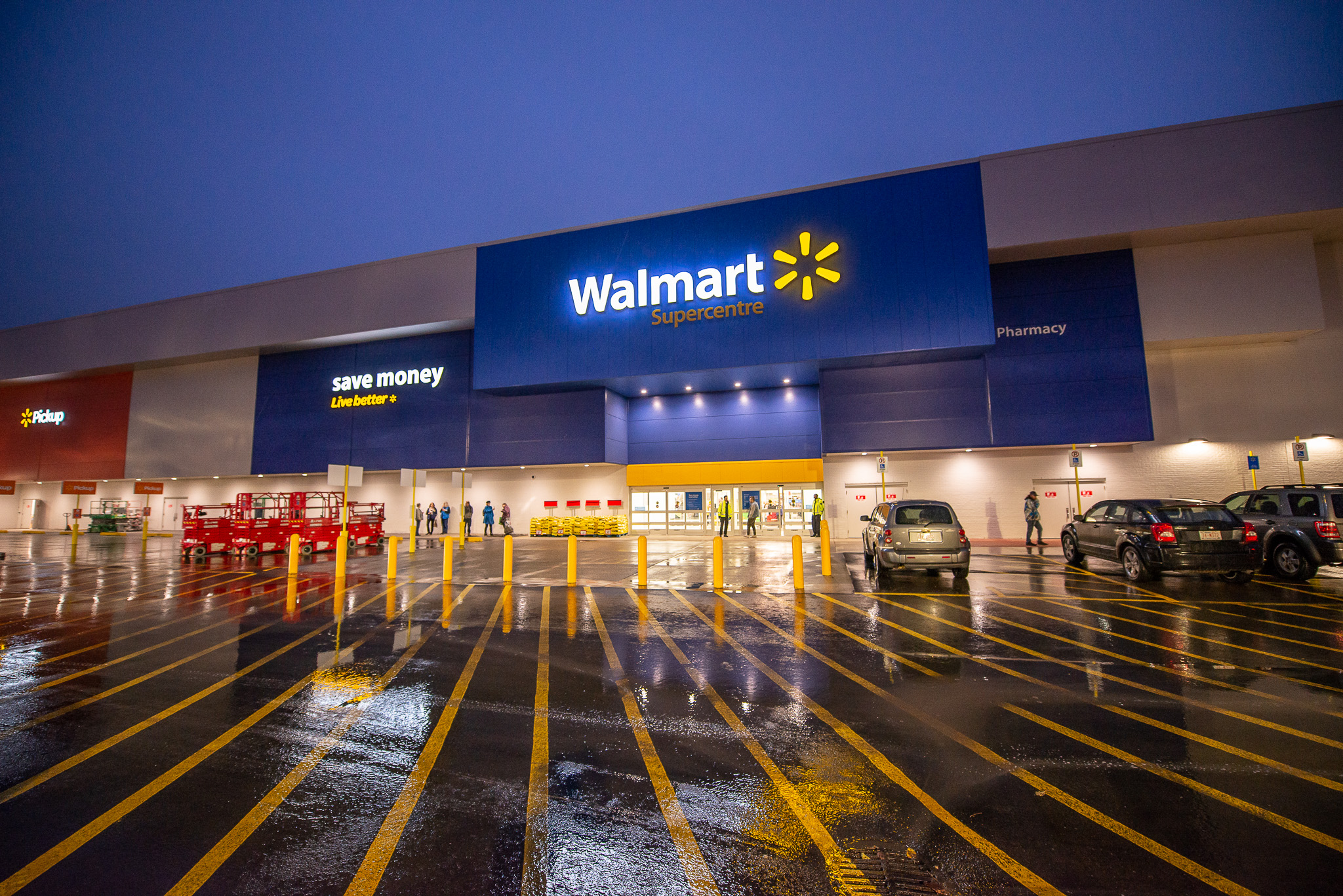
Most Walmart pharmacies close daily from 1:30 PM to 2:00 PM for a mandatory lunch break. This standardized operational pause applies across many of its retail locations to comply with labor safety standards, prevent pharmacist burnout, and ensure safe single-coverage relief. If you arrive during this window, you won't be able to drop off prescriptions, pick up medications, or consult with a pharmacist until the gates reopen.
Understanding how this midday break works helps you avoid wasted trips and plan your medication pickups efficiently. Here is a breakdown of why the policy exists, how it affects your schedule, and tips for navigating it.
Why Walmart Pharmacies Close For Lunch
Retail pharmacy operations rely heavily on strict regulatory oversight and precise calculations. For years, major retail pharmacies operated with single-pharmacist coverage models where staff members attempted to stagger meals while keeping windows open. This led to operational strain, high stress, and an increased risk of dispensing errors.
To combat burnout and protect patient safety, major retail chains—including Walmart and CVS—implemented standardized mid-day closures. During the 1:30 PM to 2:00 PM window, the entire pharmacy staff steps away from the counter. The metal security gates come down, computer systems pause queue processing for walk-ups, and staff members take an uninterrupted break.
The Safety and Regulatory Driver
Dispensing medications requires absolute focus. Pharmacists check drug interactions, verify dosage calculations, and counsel patients on potential side effects. Operating understaffed or fatigued severely compromises that focus. By closing the physical gates, Walmart ensures that pharmacists receive their mandated rest periods without juggling phone calls or drive-thru windows simultaneously. State boards of pharmacy generally require licensed professionals to have adequate rest, making structured closures a practical compliance tool.
How the Lunch Policy Impacts Customers
While the break is necessary for worker well-being, it creates minor friction for customers who try to coordinate pickups around tight personal schedules. Recognizing the exact impact helps you adjust your routine.
- Timed Pickups: If you arrive at 1:35 PM, you will wait outside the gate until 2:00 PM. Registers are inaccessible during this period, meaning cashiers cannot process transactions even for non-prescription items stored inside the pharmacy footprint.
- Phone Communication: Calling the pharmacy during the closure typically routes you to an automated system or a ringing line with no active pickup. Staff members cannot pull physical stock or verify insurance claims while away from their terminals.
- Queuing Surges: Immediately after 2:00 PM, lines often form quickly as customers who waited out the break or arrived right at reopening crowd the counter. Expect a brief wait even after the gates go back up.
Practical Strategies to Avoid the Lunch Window
Planning ahead eliminates the frustration of running into a closed pharmacy gate. A few simple adjustments keep your medication management on track.
- Check Local Variations: While the 1:30 PM to 2:00 PM window is standard for many branches, some rural or high-volume locations adjust their schedules based on regional staffing or unique provincial guidelines. Always verify local hours via the Walmart Store Finder before driving out.
- Use Mobile Notifications: Sign up for text or email alerts through the Walmart health portal. When your prescription changes to "Ready for Pickup," check the timestamp to ensure you aren't arriving right near the midday break.
- Target Off-Peak Times: Mid-morning (between 10:00 AM and 12:00 PM) or late afternoon (after 4:00 PM) typically experience lighter foot traffic compared to the immediate post-lunch rush.
- Leverage Drive-Thru Services: If your local Walmart features a pharmacy drive-thru lane, remember that it also shuts down during the 30-minute window, even if the main store remains fully open around it.
Common Mistakes to Avoid
Navigating retail healthcare is straightforward once you know the unwritten rules. Avoid these frequent missteps:
- Assuming the Store Hours Equal Pharmacy Hours: The main retail supercenter remains open 24/7 or during standard broad hours (like 7:00 AM to 11:00 PM), but the pharmacy operates on independent, restricted hours. Never assume an open grocery section means an active pharmacy counter.
- Waiting Until the Last Dose: If you take your final pill on Tuesday morning, do not attempt a pickup at 1:45 PM on your lunch break. Always refill prescriptions when you have at least a two-day supply remaining.
- Leaving Urgent Refills to Weekends: Weekend staffing is often leaner, which can occasionally alter break dynamics or lengthen lines. Handle routine refills mid-week.
Frequently Asked Questions
Do all Walmart pharmacies close at the exact same time for lunch?
Most locations adhere to the 1:30 PM to 2:00 PM window, but variations exist based on local labor laws, staffing levels, and store formats. Checking ahead via phone or online saves time.
Can I drop off a paper prescription while the pharmacy is closed?
Drop-off bins are sometimes available, but staff cannot process, verify, or fill them until the team returns at 2:00 PM. For controlled substances or urgent medications, hand them directly to a technician.
Are pharmacists paid for their lunch breaks?
Break compensation depends on local labor regulations and whether the employee is fully relieved of duties. Because staff members leave the secure pharmacy area and are completely off-the-clock during this 30-minute window, it functions as a standard unpaid or paid operational break depending on state or provincial mandates.
What should I do if I have an emergency medical need during the closure?
If you require immediate medical attention or emergency medication adjustment during the lunch window, contact your primary care provider, visit an urgent care clinic, or dial emergency services depending on the severity of the situation.



