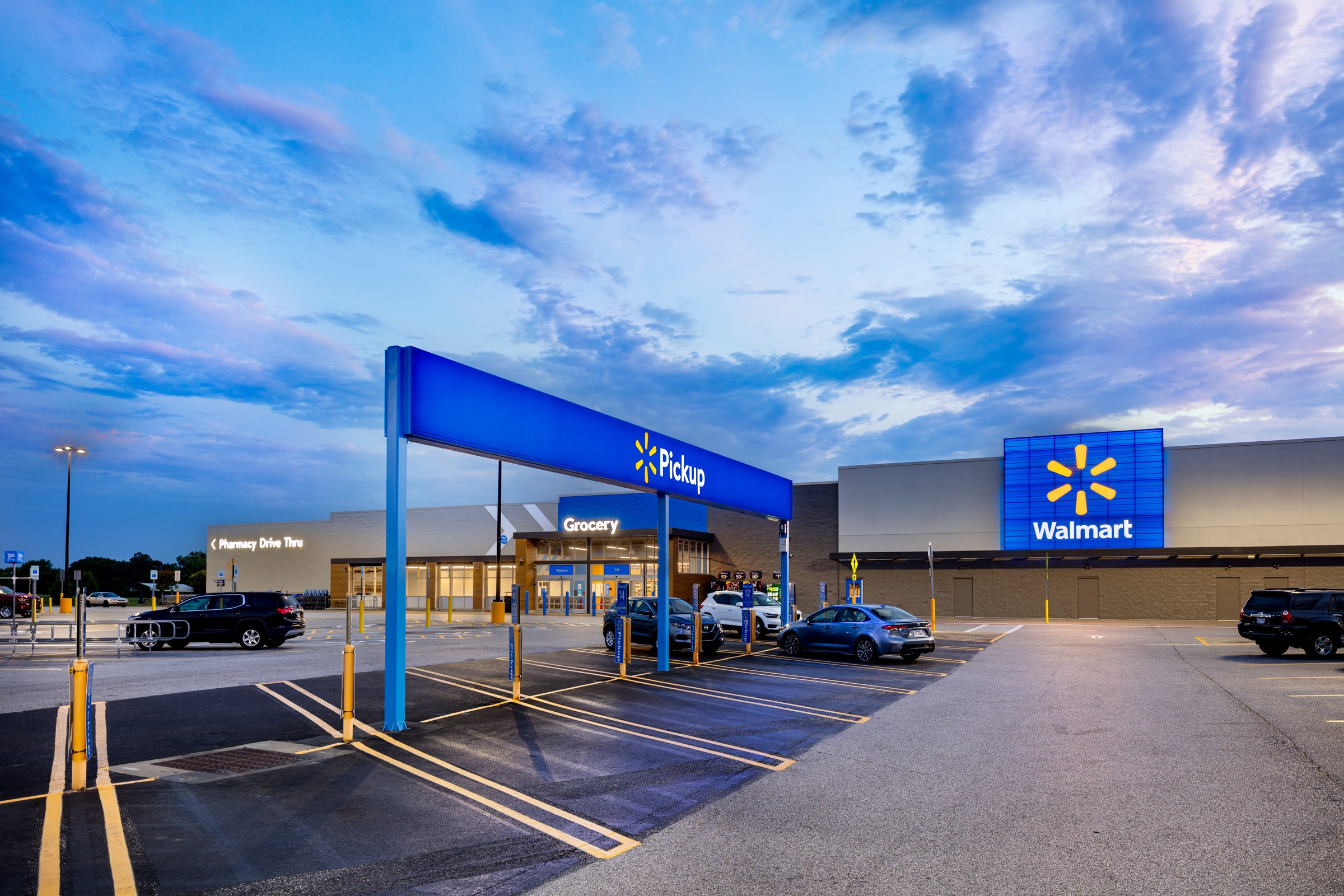
When a massive big-box store sets up shop in a rural or micropolitan hub, the ripple effects touch every corner of daily life. In Huron County, the presence of the Walmart Norwalk Ohio location serves as a textbook study of how large-scale retail transforms local consumer habits, regional commerce, and employment dynamics. It's not just a place to buy groceries or household goods; it's an economic anchor that reshapes how a historic county seat operates.
Understanding this dynamic requires looking past simple corporate footprints. Small-town retail ecosystems rely on a delicate balance between independent Main Street shops and heavy-hitting national chains. When Walmart planted its roots in Norwalk, it changed the trajectory of local commerce, drawing shoppers from surrounding townships while simultaneously forcing independent merchants to adapt or fade.
The Economic Footprint in Huron County
Norwalk acts as the commercial heart of Huron County, serving residents from surrounding agricultural and residential communities who depend on the city for their weekly shopping needs. The introduction of a high-volume retail center like Walmart alters the local trade area significantly.
- Regional Draw: Customers frequently drive in from smaller nearby villages like Milan, New London, or Wakeman, consolidating their errands into a single stop in Norwalk.
- Property and Sales Tax Contributions: Large retail operations generate substantial local tax revenues, which help fund municipal services, road maintenance, and public schools within the Norwalk City School District.
- Employment Shifts: As a major local employer, the store offers hundreds of entry-level and management positions, shifting the baseline for hourly wages and labor availability across Huron County retail and service sectors.
Economists often point to the dual nature of these developments. While shoppers benefit from everyday low prices and an unmatched variety of goods under one roof, traditional downtown storefronts face distinct pressures when competing against a retail giant capable of absorbing thin profit margins. Similar analysis on this trend has been provided by MarketWatch.
Shifting Consumer Habits on Main Street
Before the era of sprawling suburban-style retail centers, residents of Huron County relied heavily on localized merchants for hardware, apparel, and specialty groceries. The arrival of the Walmart Norwalk Ohio facility fundamentally altered consumer expectations regarding convenience and cost.
Today's shoppers prioritize one-stop convenience. Families don't just buy groceries; they pick up automotive supplies, pharmacy prescriptions, electronics, and clothing in a single visit. This shift created a challenging environment for downtown Norwalk merchants. To survive, independent downtown businesses carved out specialized niches that big-box stores can't easily replicate, such as personalized customer service, unique local goods, and specialized artisan crafts.
- Price Competition: Independent stores can't match supply chain efficiencies, forcing them to compete on quality rather than cost.
- Foot Traffic Generation: While Walmart draws traffic to the outskirts of Norwalk, downtown business associations continuously work on marketing strategies to pull those regional visitors back toward the historic courthouse square.
Employment Dynamics and Wage Pressures
Labor is one of the most heavily debated aspects of big-box retail expansion. In micropolitan communities like Norwalk, a single employer of this scale becomes a dominant player in the local labor market.
For many residents, flexible scheduling and accessible entry-level jobs provide crucial income streams. However, economic studies on the broader Walmart Effect indicate that dominant low-price retailers can depress average retail wages in a given micro-market. Local competing businesses often have to adjust their compensation structures to attract workers who might otherwise choose the predictability or scale of a national corporate employer.
At the same time, experience gained within these corporate structures often serves as a stepping stone for local workers moving into logistics, retail management, or corporate supply chain roles.
Infrastructural and Traffic Adjustments
Placing a high-volume retail center in a historic community requires continuous adaptation of local infrastructure. The corridors leading to the Norwalk retail hub experience heavy traffic density, particularly during weekend shopping rushes and seasonal holidays.
City planners and local government officials must constantly evaluate infrastructure needs, including:
- Traffic signal timing and turning lane expansions along major thoroughfares.
- Managing stormwater runoff from expansive asphalt parking lots.
- Coordinating municipal services to support high-density commercial zones without neglecting residential neighborhoods.
These infrastructure investments are paid for largely through the commercial activity generated by these hubs, creating a continuous loop between commercial growth and municipal maintenance.
Frequently Asked Questions
When did Walmart open its Norwalk, Ohio location?
The store became a fixture of the Norwalk retail landscape as part of the broader expansion of rural and micropolitan Supercenters designed to capture regional consumer traffic across northern Ohio.
How does a major retailer affect small businesses in Norwalk?
While it creates intense price competition that can challenge traditional variety stores, it also draws thousands of regional shoppers into Huron County who might otherwise travel to larger cities like Sandusky or Elyria for their goods.
Does the Norwalk location operate as a full Supercenter?
Yes, it offers a comprehensive selection of groceries, fresh produce, general merchandise, a pharmacy, and automotive services, functioning as a primary one-stop shop for the county.
What are the main economic benefits for Huron County residents?
Residents gain access to lower prices on everyday necessities, increased product variety, convenient consolidated shopping, and expanded local employment opportunities.


