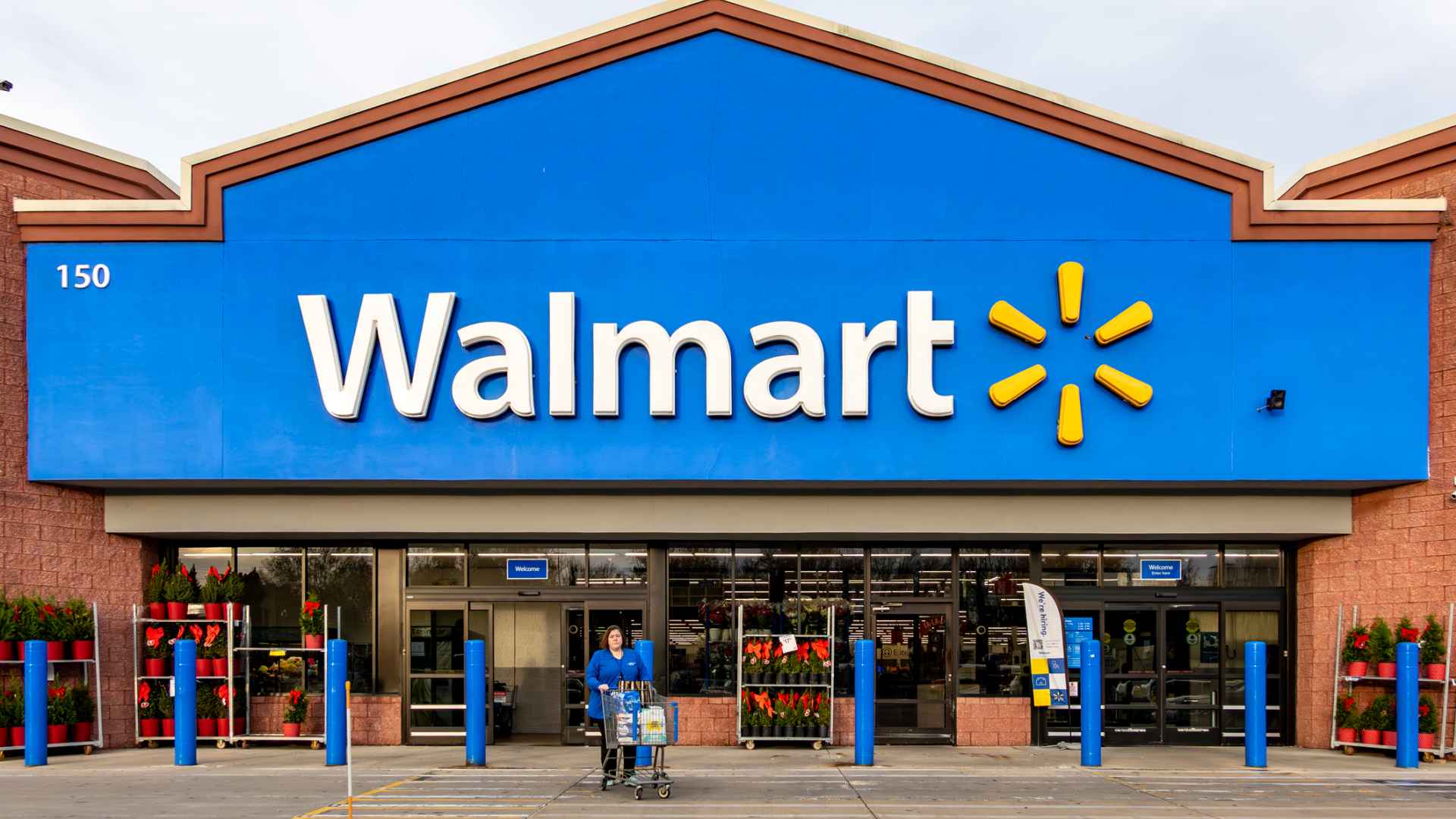
The modern digital retail ecosystem requires more than a functional website; it demands a unified mobile experience that connects physical inventory with immediate digital fulfillment. When examining how traditional big-box operators transitioned into digital powerhouses, the evolution of the Walmart mobile app stands out as a core driver of modern omnichannel dominance. By turning thousands of physical brick-and-mortar locations into automated fulfillment nodes, the retail giant bridged the gap between physical convenience and digital scale.
Mobile commerce success doesn't happen by accident. It relies on reducing friction during checkout, integrating loyalty features like Walmart+ memberships, and deploying machine learning to predict customer intent. Understanding this shift reveals how modern retail platforms turn basic necessity into long-term market dominance.
The Omnichannel Pivot: From Physical Footprint to Digital Core
For decades, big-box retail relied entirely on physical square footage, foot traffic, and regional distribution centers. When digital shopping alternatives began capturing consumer spending, legacy operators faced a stark choice: adapt or lose market share. Rather than treating online sales as a separate division, the strategy shifted toward an integrated omnichannel model. Every local store was re-engineered to double as a mini-warehouse.
This localized fulfillment model changed how consumers interacted with the brand. Instead of waiting days for parcel shipping from a distant warehouse, shoppers could order via smartphone and pick up items curbside within hours, or trigger local delivery straight from the nearest store shelf. The mobile software acts as the central control panel for this entire operation, coordinating real-time inventory tracking, picker routing, and payment processing.
Leveraging Physical Stores as Digital Assets
- Proximity Advantage: Operating thousands of stores within ten miles of most the population gives digital orders a built-in speed advantage over centralized web-only competitors.
- Curbside Pickup Integration: Customers manage pickups through the software interface, notifying local staff automatically when they arrive in the parking lot.
- Inventory Accuracy: Real-time stock syncing prevents out-of-stock cancellations by instantly routing orders to alternative nearby locations if necessary.
Core Features Driving User Retention
An application only achieves long-term engagement if it solves daily friction points. Consumer habits dictate that shopping tools must minimize the time spent searching, paying, and tracking orders. Several core interface elements anchor this retention model.
Scan and Go Technology
Inside physical locations, mobile checkout features let shoppers scan item barcodes with their phone cameras as they walk down the aisles, paying directly through stored digital wallets. This bypasses traditional checkout queues entirely, transforming a mundane errand into a fast, self-directed trip.
Contextual Search and Intelligent Recommendations
Natural language processing and machine learning models embedded in the interface allow users to search using conversational queries rather than rigid product codes. If a shopper types "ingredients for chicken fajitas," the system aggregates produce, meat, and spice options into a single unified cart, saving time and increasing average basket sizes.
Common Pitfalls in Retail App Strategy
Many traditional retailers stumble when attempting mobile transformation. Recognizing these errors highlights why certain platforms succeed while others fade.
- Siloed Inventory Systems: Separating online stock pools from physical store inventory leads to canceled orders and frustrated users.
- Cluttered User Interfaces: Overwhelming home screens with excessive banner ads and promotions drives users away. Speed and clarity win over aggressive upsells.
- Slow Checkout Flows: Requiring excessive form fills or failing to support popular digital wallets causes high cart abandonment rates on mobile devices.
Step-by-Step Implementation for Retail Digital Integration
Organizations aiming to replicate this level of digital maturity must follow a structured technical and operational roadmap.
- Unify Data Architecture: Merge inventory, pricing, and customer profiles into a single real-time database accessible across all touchpoints.
- Optimize for Speed: Streamline mobile codebases to ensure sub-second page loads and rapid image rendering on standard cellular networks.
- Embed Local Fulfillment Logic: Program routing algorithms that automatically select the lowest-cost, fastest fulfillment source—whether a local store or regional warehouse.
- Deploy Contextual Personalization: Use purchase history and search behavior to surface relevant re-order shortcuts on the home screen.
Frequently Asked Questions
How does store-fulfilled delivery impact product pricing?
Items ordered through the app for local delivery or pickup generally maintain the same everyday low prices found inside physical stores, distinguishing this model from platforms that mark up prices for digital convenience.
What role does artificial intelligence play in daily app usage?
Artificial intelligence powers predictive search, automated substitution suggestions when items are out of stock, and personalized home screen layouts that adapt based on past buying cycles.
How do membership perks integrate with mobile checkout?
Subscribers link their accounts directly within the profile settings, automatically unlocking free shipping minimums, fuel discounts, and digital streaming benefits without needing physical cards.
Can third-party marketplace items be purchased alongside grocery essentials?
Yes. The software blends first-party inventory with approved third-party marketplace items, allowing users to combine groceries, apparel, and home goods into a single transaction.



