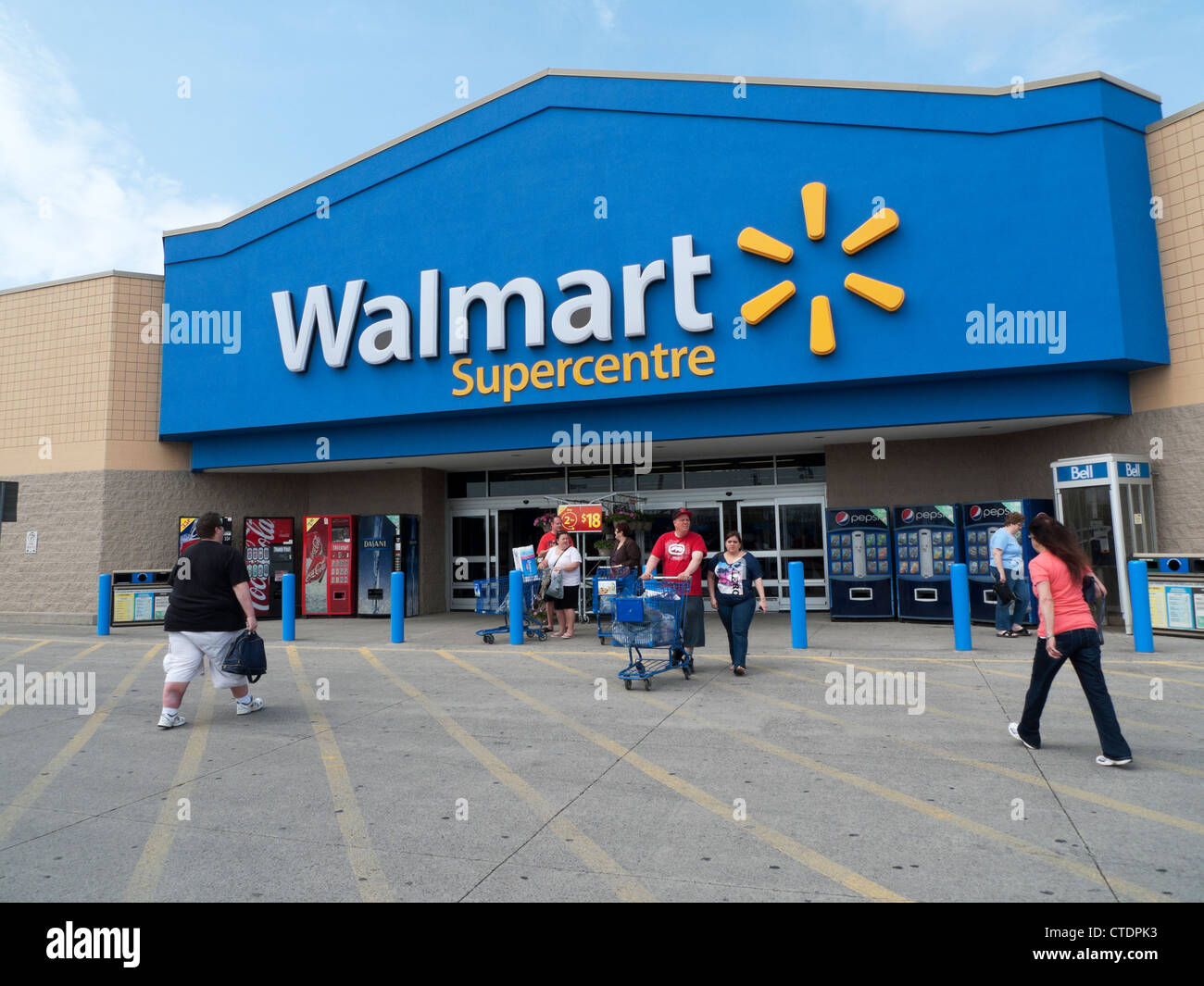
The Walmart mobile app has fundamentally altered how shoppers interact with physical stores and digital storefronts. It merges online grocery ordering, instant digital coupon matching, and in-store navigation into a single tool used by millions daily.
If you're wondering how this platform reshapes modern retail, the answer lies in its ability to remove friction from every step of the shopping journey. Instead of treating online and offline shopping as separate experiences, Walmart built an ecosystem where your smartphone acts as a remote control for your local supercenter.
Core Features Powering the App
Understanding why the app dominates mobile commerce requires looking at its specific utility. It isn't just an e-commerce catalog; it's an operational toolkit designed to save time and money.
- Scan & Go: This tool lets you scan item barcodes with your phone camera as you walk the aisles. You pay directly inside the app using a stored credit card or digital wallet, allowing you to bypass checkout lines entirely and show your digital receipt at the exit door.
- Store Finder and Map: When looking for a specific item, the app displays the exact aisle number and shelf location based on your selected store's live inventory layout.
- Digital Savings Catcher: The interface automatically syncs with your Walmart account to clip digital coupons and apply rollback pricing without requiring paper vouchers or manual code entry at checkout.
- Pharmacy Management: Users can refill prescriptions, set medication reminders, and track family refills directly from the mobile menu.
These features transform a routine errand into a streamlined process. For example, when buying groceries, you can build a list at home, watch the app automatically sort items by store aisle, and check prices against local competitors before you leave the house.
The Shift Toward Omnichannel Fulfillment
Retail transformation depends heavily on logistics flexibility. The app acts as the central dispatch for multiple fulfillment methods, giving you total control over how you receive purchases.
Curbside Pickup
You can order items through the app and select a pickup window. When you arrive at the designated parking area, checking in via the app alerts an employee to bring the order directly to your trunk. This service eliminates browsing time while maintaining the speed of same-day acquisition.
Delivery from Store
For immediate household needs, local inventory ships directly from nearby brick-and-mortar locations. This hyper-local fulfillment model relies on real-time inventory tracking to ensure that items ordered online match what's actually sitting on store shelves.
Walmart's official Walmart Corporate site outlines how these integrated supply chain networks operate across thousands of retail locations.
Personalization and Data-Driven Shopping
The application relies on deep data analytics to tailor the shopping experience. Every search query, saved item, and purchase history entry trains recommendation algorithms to predict household needs.
If you frequently purchase specific brands of pet food or organic produce, the app surfaces relevant discounts and new product rollouts in those categories upon opening. This shifts the digital storefront from a static catalog into a proactive shopping assistant.
However, this data reliance introduces privacy considerations. Managing data permissions inside your account settings is essential if you want to limit how much tracking occurs across your sessions.
Common Mistakes When Using the App
Shoppers often fail to maximize the app's utility due to a few common oversights. Avoiding these pitfalls saves both time and money during your shopping trips.
- Failing to select the correct store: Inventory maps and local stock levels depend entirely on setting your preferred store location accurately. If you forget to update this, you might arrive to find items out of stock.
- Ignoring digital receipt storage: Relying on paper receipts for returns is unnecessary. The app stores all transaction histories digitally, making returns and warranty claims much faster at customer service.
- Overlooking delivery minimums: Placing smaller orders can trigger unexpected delivery or service fees unless you maintain a membership status that waives those thresholds.
The Federal Trade Commission provides helpful consumer guidance on data privacy and mobile application tracking permissions if you want to secure your personal account details.
Frequently Asked Questions
Does using Scan and Go require a paid subscription?
Basic Scan & Go features are available to standard account holders, though certain advanced delivery perks and fuel discounts require a paid membership plan.
Can I use digital coupons with Scan & Go?
Yes. Eligible digital coupons clip directly to your account and apply automatically when you scan items into your digital cart before checkout.
How do I return an item purchased through the mobile app?
You can initiate a return request directly inside the app, select a reason, and bring the item along with your digital barcode to any customer service desk for a fast refund or exchange.
What happens if an item is out of stock after I order for pickup?
The app prompts you to select substitution preferences beforehand. If an item is missing, an associate will suggest a comparable replacement, which you can approve or decline in real time.


: Complete Survey Guide and Rewards](https://www.simpleeverydaymom.com/wp-content/uploads/2023/10/Pilgrim-Photo-Craft-for-Thanksgiving-image-559x1024.jpg)