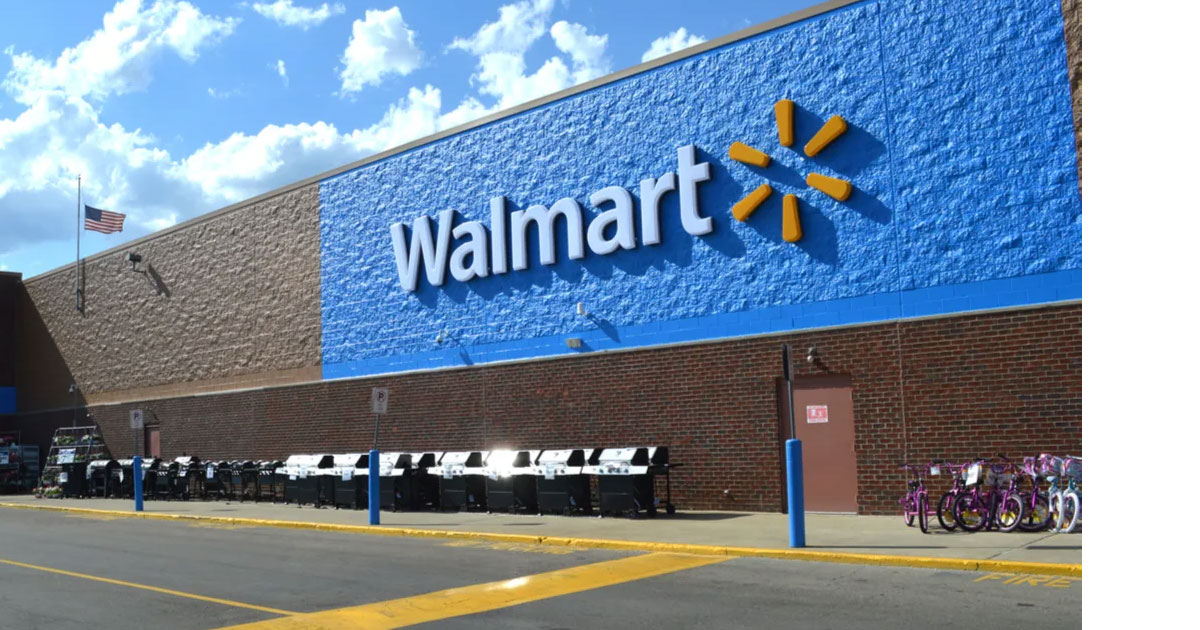
When a massive retail chain throws away everyday consumer goods, the process is supposed to follow strict environmental guidelines. Walmart hasn't always followed those rules. Over the past two decades, federal prosecutors and state attorneys general have nailed the retail giant for illegally dumping millions of pounds of regulated materials. These legal battles expose systematic failures in how big box stores handle everything from expired bleach to crushed aerosol cans.
The core issue centers on corporate compliance, employee training, and the sheer volume of unsellable merchandise returned to store backrooms. Instead of paying certified hazardous waste haulers to process damaged goods, some store employees routinely tossed items into municipal trash compactors or poured toxic chemicals down local drains. These shortcuts triggered multi-million-dollar settlements and forced a complete overhaul of corporate waste tracking.
The Scale of the Problem: How Retail Waste Becomes Hazardous
Retail stores generate vast amounts of unsellable waste daily. Items get damaged on the sales floor, returned by customers, or expire on shelves. Under federal guidelines set by the Environmental Protection Agency, many common household products transform into regulated hazardous materials the moment they are discarded.
You might not think of a bottle of window cleaner or a tube of hair dye as dangerous, but municipal landfills and water treatment plants cannot process these chemicals safely.
- Cleaning supplies: Bleach, ammonia, and concentrated disinfectants corrode pipes and release toxic fumes.
- Pesticides and herbicides: Garden center products leach dangerous toxins into local groundwater supplies if crushed in standard garbage trucks.
- Aerosol cans: Pressurized containers explode under the immense pressure of trash compactors, injuring workers and sparking fires.
- Electronics and batteries: Lithium-ion and alkaline batteries leak heavy metals like cadmium and lead into soil.
When a store processes thousands of items a day, sorting through damaged goods requires time, specialized training, and protective equipment. When corporate metrics prioritize speed and labor cuts, compliance often falls apart on the stockroom floor.
Landmark Lawsuits and Federal Crackdowns
Walmart's hazardous waste troubles didn't happen overnight. They stem from a pattern of systemic violations spanning multiple states and decades. The legal pressure reached a boiling point when federal prosecutors launched nationwide investigations into the company's trash sorting habits.
In 2013, Walmart pleaded guilty to federal environmental crimes involving the illegal handling of pesticides and hazardous waste across multiple states. The company agreed to pay more than $81 million to resolve criminal and civil violations. Court documents revealed that store managers routinely instructed workers to dump regulated materials into regular municipal bins or wash them down sanitary sewers, violating the Clean Water Act.
States didn't wait for federal action. California, in particular, pursued aggressive enforcement through its Department of Toxic Substances Control.
- The 2010s Settlements: California courts hit Walmart with tens of millions in fines for illegal dumping across dozens of counties.
- The 2024 California Settlement: State officials secured an additional $7.5 million settlement after inspections uncovered ongoing failures in tracking and disposing of hazardous electronic waste, batteries, and aerosol products.
These legal actions established clear boundaries. Retailers cannot treat hazardous merchandise like ordinary garbage just because it came from a retail shelf rather than an industrial factory. You can read more about state-level enforcement actions directly through the California Attorney General press office.
What Went Wrong on the Store Level?
Behind every corporate fine lies a breakdown in daily store operations. Former employees and compliance auditors have repeatedly pointed to the structural flaws that led to illegal dumping.
Corporate efficiency programs often left individual stores understaffed. Stockroom workers faced intense pressure to clear returns and damaged goods off the shelves quickly to make room for new inventory. Sorting items into separate hazardous waste barrels takes time. Throwing everything into a single trash compactor takes seconds.
Training gaps played a massive role. Temporary or entry-level retail workers rarely received adequate instruction on how to identify universal waste or hazardous materials. Without clear oversight, store managers prioritized keeping the backroom clean over following complex environmental protection laws.
The company also struggled with accurate inventory tracking software. When items were marked out of stock or written off as damaged, the system didn't always flag them for proper hazardous waste routing, leaving local employees to guess what to do with leaking chemicals or broken containers.
Corporate Reform and the Cost of Compliance
Faced with mounting fines and federal oversight, Walmart was forced to transform its entire reverse logistics operation. The company invested heavily in centralized return centers and specialized compliance tracking software.
Instead of letting local stores decide how to manage damaged goods, Walmart shifted toward centralized processing. Unsellable items now go through dedicated return hubs where trained technicians sort materials according to strict environmental guidelines. Stores received upgraded compaction equipment, spill kits, and mandatory compliance training modules for all associates.
This pivot proved expensive. Beyond paying hundreds of millions of dollars in combined fines and settlements over the years, the ongoing cost of maintaining a compliant waste management infrastructure requires dedicated compliance teams at every corporate tier. For detailed federal standards on these requirements, check the Environmental Protection Agency.
Frequently Asked Questions
What classifies a retail product as hazardous waste?
A product becomes hazardous waste once it is discarded and exhibits characteristics like ignitability, corrosivity, reactivity, or toxicity. Common examples include leftover paint, automotive fluids, household cleaners, and aerosol cans.
Why didn't local municipal dumps catch these violations earlier?
Municipal trash compactors crush waste indiscriminately. While hazardous materials often caused localized smoke, minor fires, or chemical odors, illegal dumping in general waste streams is notoriously difficult to trace back to a specific corporate source without targeted audits.
How do major retailers handle damaged goods today?
Most major retail chains utilize reverse logistics programs. Damaged or returned goods are scanned, packed into specialized containers, and shipped to centralized regional processing centers rather than being thrown away locally.
What happens to the money collected from environmental fines?
Fines collected from corporate environmental lawsuits typically fund state and federal environmental oversight programs, local watershed protection projects, and public health initiatives in the affected communities.



