When a chemical spill happens on a retail sales floor or inside a distribution center, employees face immediate decisions about safety and compliance. Question 19 within Walmart's internal environmental, health, and safety assessments directly addresses how team members must handle accidental chemical releases. Knowing these protocols protects associates from chemical exposure, keeps stores compliant with federal rules, and prevents minor leaks from turning into major liabilities.
Retail environments stock dozens of hazardous items, from automotive fluids and concentrated bleach to industrial drain cleaners and alkaline battery acid. When containers drop, crack, or puncture, the first two minutes dictate whether the incident resolves safely or escalates into a regulatory violation. Walmart's internal safety modules align directly with federal guidelines set by the Occupational Safety and Health Administration (OSHA) and the Environmental Protection Agency (EPA). Understanding these procedures ensures that non-certified retail staff stay safe without violating HAZWOPER boundaries.
Understanding Retail Spill Classifications
Not all spills carry the same weight. Retail safety frameworks divide spills into two distinct operational categories based on volume, toxicity, and employee training limits. Recognizing the difference stops unqualified staff from entering danger zones.
- Incidental Spills: These involve small amounts of familiar retail products—such as a single bottle of household floor cleaner or a broken bottle of laundry detergent. They pose minimal health risks, do not spread rapidly, and can be managed safely using standard store-provided spill kits by trained associates.
- Emergency Spills: These involve large volumes, unknown chemicals, highly toxic substances, or materials that release dangerous vapors. Examples include damaged pallets of pool chlorine, leaking industrial ammonia units, or concentrated commercial acids. These situations require immediate evacuation and specialized response contractors.
Question 19 specifically targets an associate's ability to recognize when a spill crosses the line from incidental to emergency. Attempting to clean up an unknown or hazardous bulk chemical without proper personal protective equipment violates company policy and federal safety statutes.
The Immediate Response Protocol
When an associate discovers a chemical release, immediate action prevents customer exposure and limits environmental damage. Every step follows a strict sequence designed for retail safety.
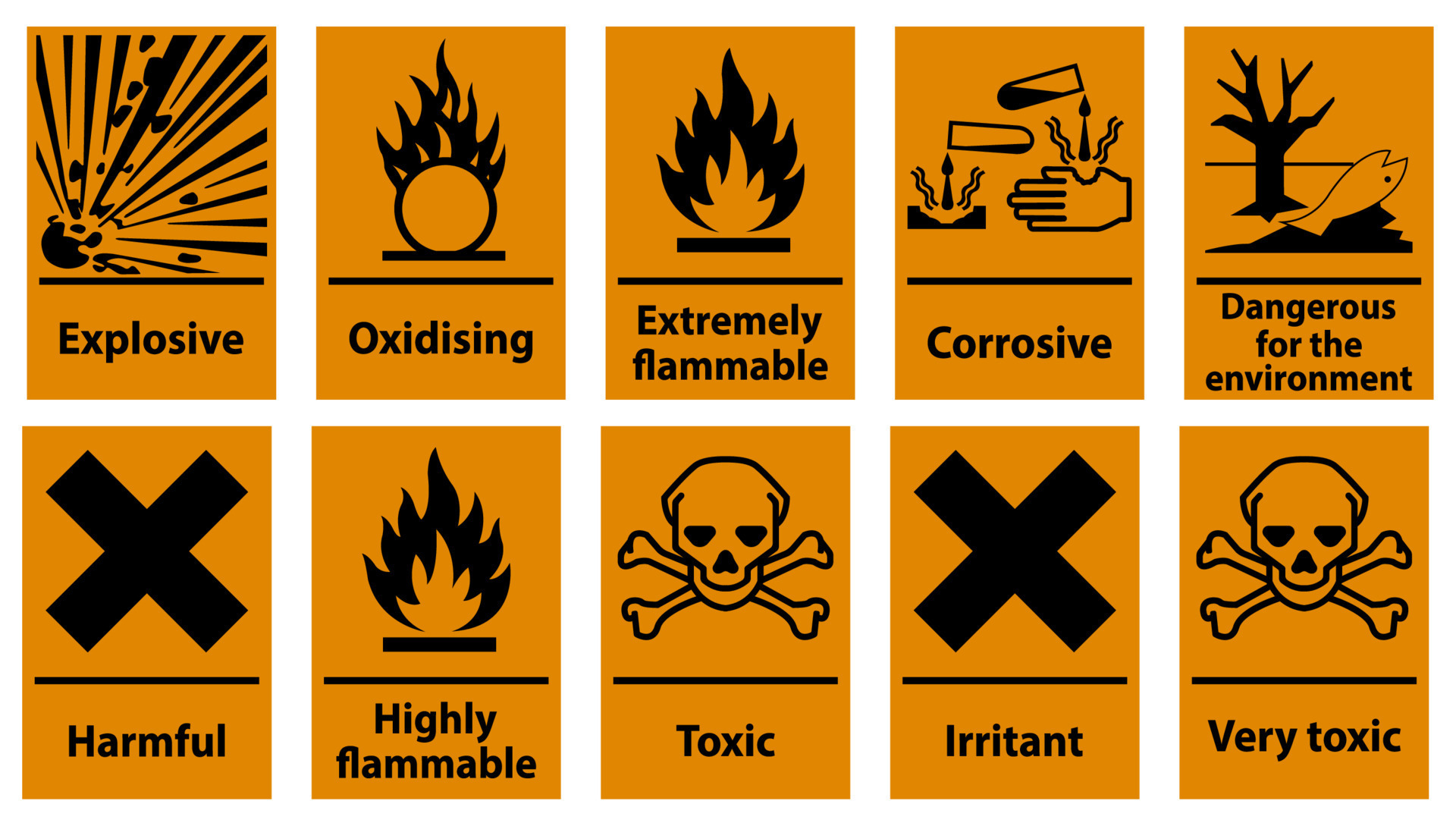
- Stop and Evaluate: Don't rush into the puddle. Look for product labels, warning symbols, and vapor clouds to identify the substance from a safe distance.
- Secure the Area: Grab wet floor signs, cones, or carts to block off the perimeter. Keep customers and other team members at least fifteen feet away from the spill zone.
- Locate Safety Data Sheets (SDS): Access the digital or physical safety data sheets to understand the specific hazards, reactivity, and first-aid measures required for the spilled material.
- Notify Management: Alert a store manager, shift supervisor, or the facility's designated safety coordinator instantly. Provide the exact department, product name, and estimated volume.
- Determine Cleanup Authority: If the volume exceeds standard spill kit capacity or involves corrosive, flammable, or toxic compounds, step back and await certified professional handlers.
Personal Protective Equipment and Spill Kit Limitations
Store spill kits contain basic neutralizers, absorbent pads, and basic gloves, but they have strict limitations. They are designed exclusively for minor, low-hazard cleaning tasks.
Associates who participate in cleanup must wear appropriate personal protective equipment, including chemical-splash goggles, nitrile or heavy-duty rubber gloves, and slip-resistant footwear. If a chemical requires a respirator, full-face shield, or rubber apron, standard store associates are legally prohibited from performing the cleanup. Stepping outside these equipment boundaries exposes workers to respiratory damage, chemical burns, and absorption risks. Furthermore, improvised cleaning tools like regular push brooms or standard mops can react negatively with certain chemicals, causing dangerous splashing or toxic gas releases.
Regulatory Reporting and Documentation
Once the immediate danger passes, documentation and reporting requirements kick in. Federal and state environmental laws require accurate tracking of hazardous waste generation and accidental releases.
When a spill occurs, management must log the incident within the internal EHS reporting system. This digital record captures the exact timestamp, product SKU, volume spilled, cleanup method used, and disposal route. If a spill reaches floor drains, storm drains, or leaves the building exterior, federal regulations often mandate immediate calls to local environmental protection agencies or emergency response dispatchers. Failing to report significant releases of hazardous substances can trigger heavy fines for corporate entities and individual facilities.
Proper Waste Disposal Procedures
Cleaning up a spill is only half the battle; disposing of the contaminated absorbent material safely is where compliance truly matters. You can't simply toss chemical-soaked pads into the general store trash compactor.
Absorbent pads, neutralizers, and damaged containers must be placed into designated hazardous waste accumulation drums or specialized leak-proof bags. These containers must feature proper labeling indicating the chemical contents, hazard class, and accumulation start date. Storing hazardous waste incorrectly or mixing incompatible chemicals—such as acids and bases—inside the same disposal drum can cause dangerous exothermic reactions, fires, or explosions. Licensed hazardous waste haulers ultimately collect these sealed drums from the facility for proper off-site treatment and destruction.
Common Compliance Mistakes to Avoid
Retail teams occasionally make critical errors during spill response under pressure. Recognizing these pitfalls helps maintain a safe store environment.
- Ignoring Label Warnings: Treating an unknown industrial cleaner like standard dish soap without checking the SDS.
- Improper Drain Protection: Failing to block floor drains immediately, allowing chemical runoffs to enter municipal water systems.
- Inadequate Ventilation: Cleaning volatile chemical spills in confined backrooms without ensuring proper airflow.
- Delayed Escalation: Waiting hours to report a major leak while trying to handle it internally without proper certification.
Frequently Asked Questions
What should an associate do if a chemical gets into their eyes during a spill?
Immediately escort the affected person to the nearest emergency eyewash station. Flush the eyes continuously with clean water for at least fifteen minutes while holding the eyelids open, and seek emergency medical attention right away.
Are all Walmart employees trained to use spill kits?
No. Only designated associates who have completed specific environmental health and safety training modules are authorized to use spill kits for minor incidental releases.
How do you identify if a spilled product is hazardous?
Check the product packaging for hazard pictograms, signal words like "Danger" or "Warning," and consult the digital Safety Data Sheets available through the store's compliance terminal.
What happens to expired or damaged hazardous chemicals?
They are segregated from regular inventory, categorized, and placed into designated return or hazardous waste storage areas for scheduled pickup by certified reverse logistics and disposal partners.


