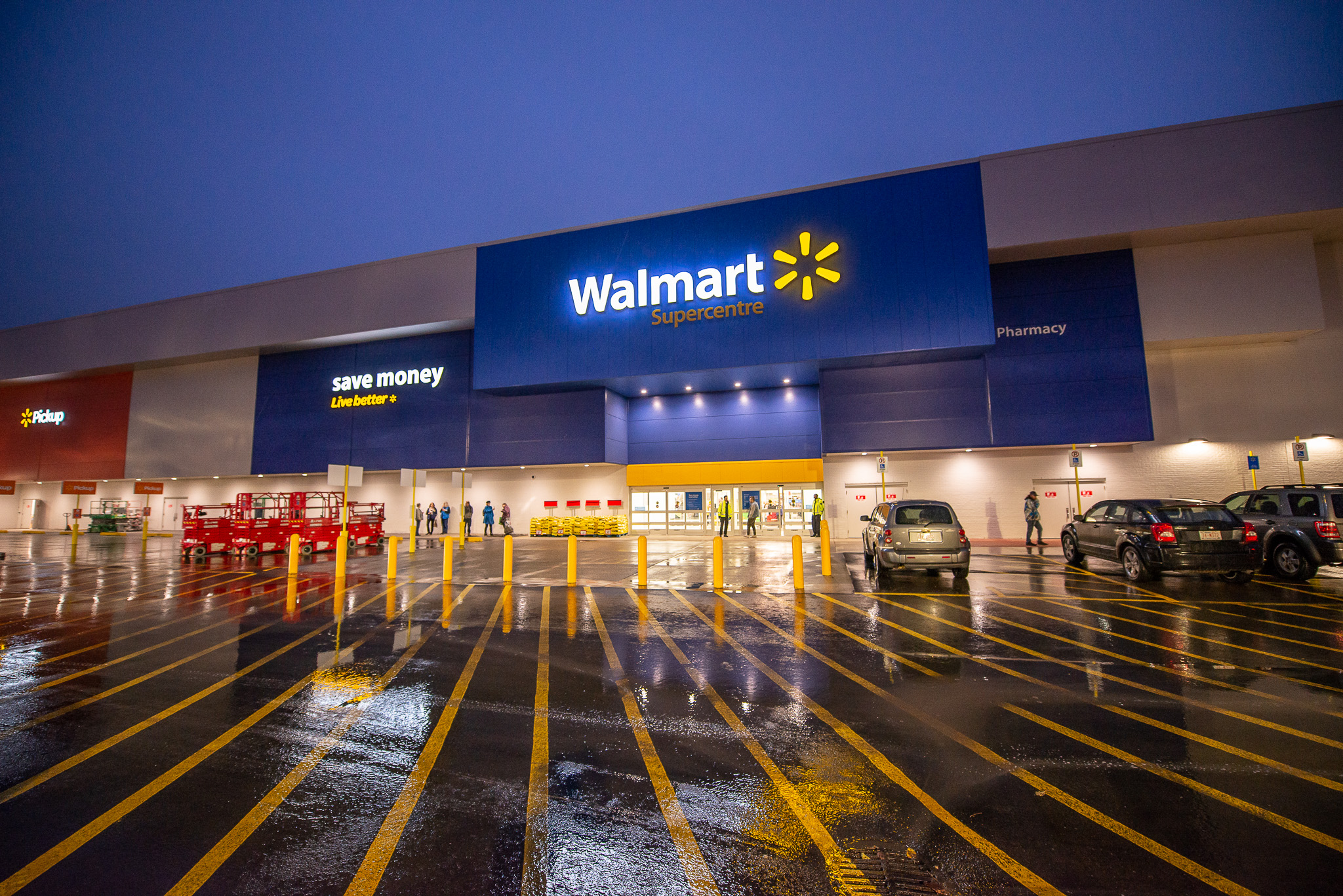
Navigating Walmart fire safety compliance requirements demands precision, whether you're completing computer-based learning (CBL) modules or preparing a facility for a third-party audit. Walmart enforces strict fire prevention mandates across its retail stores, distribution centers, and supplier manufacturing sites. Understanding these core standards protects employees, prevents operational shutdowns, and ensures regulatory alignment.
Passing Walmart fire safety training tests and maintaining audit readiness comes down to specific, non-negotiable operational rules. From clearance thresholds around electrical panels to proper sprinkler buffer zones, compliance failures can halt business operations immediately. Here is what you need to know about safety protocols, common inspection pitfalls, and exact training expectations.
Core Fire Safety Rules in Walmart Training Modules
Walmart's safety training modules focus heavily on active prevention, hazard identification, and immediate emergency response. Employees and facility managers must memorize specific operational thresholds to pass compliance assessments.
- Sprinkler Clearance: Stored merchandise must always maintain a minimum vertical clearance of 18 inches below sprinkler heads to ensure proper water distribution during a fire.
- Electrical Panel Access: Circuit breaker boxes require at least 36 inches of clear, unobstructed workspace directly in front of them to allow emergency shutoffs.
- Backroom Stacking Limits: Storage on backroom steel racks must adhere to height limits to prevent structural collapse and interference with fire suppression systems.
- Evacuation Assembly Points: Emergency meeting points must be located a safe distance—typically at least 50 feet—away from the facility structure.
Fire Extinguisher Protocols and the PASS Method
When training covers active fire suppression, the curriculum emphasizes the PASS acronym for operating portable fire extinguishers. Employees must understand when it's safe to intervene and when to evacuate immediately.
- Pull the pin located on the extinguisher handle.
- Aim the nozzle directly at the base of the fire rather than the flames.
- Squeeze the handle uniformly to discharge the agent.
- Sweep the nozzle side-to-side across the base until the fire is completely extinguished.
Specialized environments require unique suppression steps. For instance, commercial kitchen areas equipped with an ANSUL system rely on automatic suppression, but if it fails, employees must use a Class K fire extinguisher. Conversely, staff must never attempt to use a standard water or chemical extinguisher on reactive materials like pool chemicals, requiring immediate evacuation instead.
Preparing for Facility Fire Safety Audits
For suppliers and facility operators, Walmart enforces safety standards outlined in Section 7 of the Standards for Suppliers. Third-party auditors evaluate structural integrity, documentation, and operational habits.
Auditors inspect high-risk zones, including building rooftops, emergency exit stairwells, fire pump rooms, water storage tanks, and hazardous material storage lockers. Facility management must accompany auditors, ensuring that designated employees handle equipment testing rather than letting auditors manipulate machinery directly.
Common Audit Failures to Avoid
- Blocked Exits: Stacking pallets or equipment within designated emergency pathways. Exit doors must remain fully unobstructed at all times.
- Outdated Documentation: Failing to keep up-to-date service logs for fire alarms, sprinkler systems, and suppression equipment. Inspection tags must display current dates and certified technician signatures.
- Improper Electrical Maintenance: Allowing uncertified personnel to modify or repair facility electrical systems. Only licensed electricians are authorized to perform electrical work.
- Extension Cord Misuse: Daisy-chaining multiple extension cords together or using temporary cords beyond allowable service windows.
Maintaining compliance requires daily oversight rather than a scramble before inspection day. Integrating these checks into standard shift routines prevents costly violations and maintains a safe working environment.
Frequently Asked Questions
What is the required clearance distance around fire exit doors?
Fire exits must remain completely clear of obstructions. While general aisles vary, exits and immediate egress routes require uninhibited physical access to allow rapid building evacuation.
Can extension cords be used permanently in a Walmart facility?
No. Temporary power sources and extension cords are strictly regulated and cannot replace permanent wiring or serve as long-term power solutions.
What should an employee do if powered equipment sparks or smokes?
The employee must immediately shut down the equipment using standard procedures, unplug it if safe to do so, apply a Do Not Operate tag, and notify management right away.
How often are supplier facilities audited for fire safety?
Audit frequency is determined by a risk-based approach, considering geographic risk factors and whether the facility produces direct import merchandise. High-risk facilities undergo more frequent mandatory reviews.


