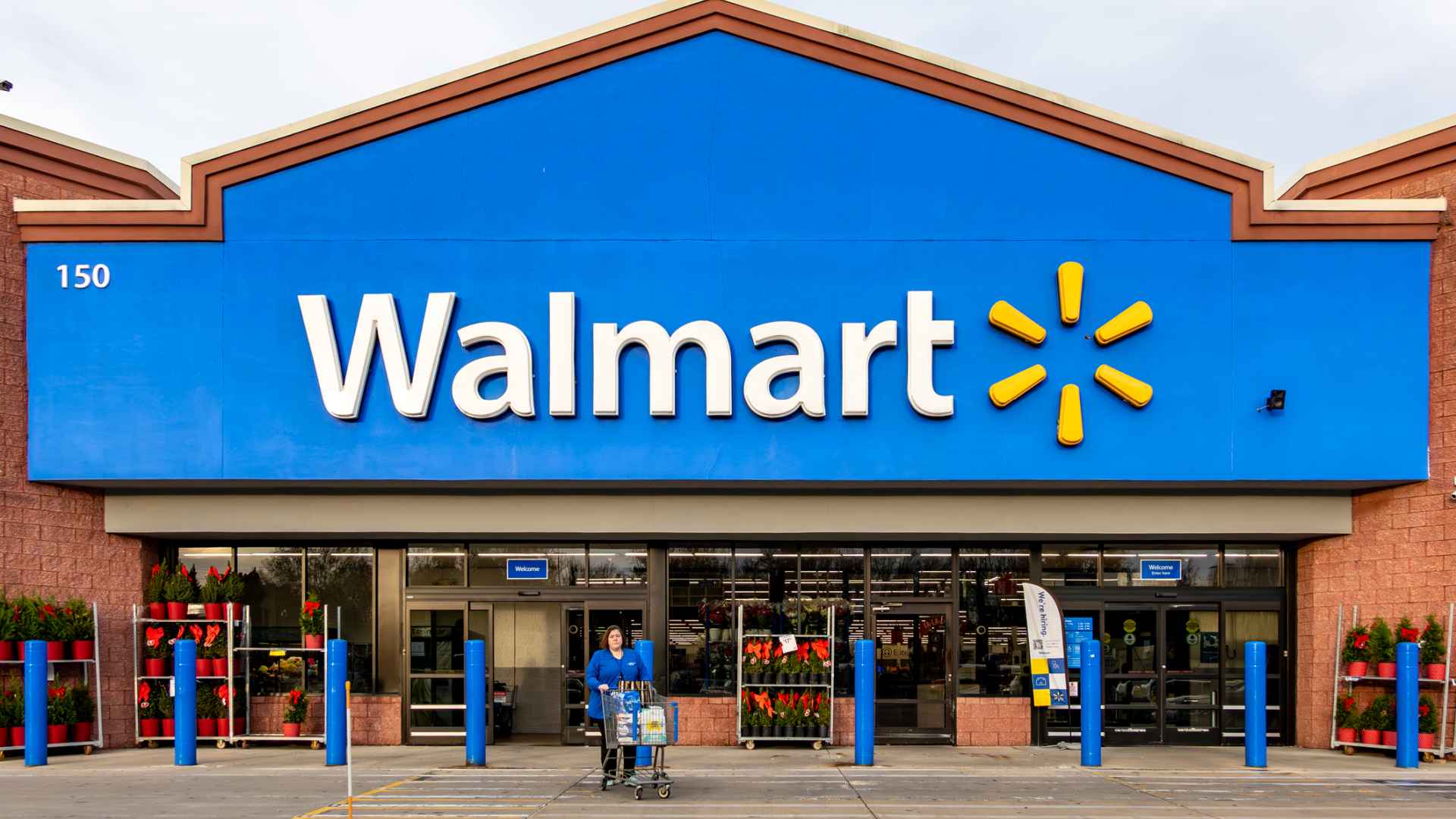
Behind the neat blue branding of online grocery orders lies a demanding physical and logistical grind. Working as a Walmart delivery driver through the Spark Driver platform isn't just about turning the key and dropping off bags. It's a high-mileage, fast-paced independent contracting job that tests your vehicle, your time-management skills, and your patience with retail inventory bottlenecks. If you're looking at this gig as a steady side hustle or a full-time income stream, peeling back the surface reveals a mix of flexible earnings and hidden operational costs.
Understanding what goes into a typical shift means looking past the advertised hourly estimates. Drivers face everything from heavy case-of-water multi-stops to apartment complexes with broken elevators, all while managing fluctuating tips and vehicle wear. Let's break down the actual rigors, financial mechanics, and everyday realities of life on the road for Walmart.
Understanding the Spark Driver System
Unlike traditional employee delivery roles, Walmart utilizes an independent contractor model via Spark. You aren't driving a corporate van; you're using your own vehicle, paying for your own gas, and managing your own taxes.
Offers pop up in the app as first-come-first-served notifications or round-robin offers tailored to your zone. These include curbside pickups (where store associates load pre-packed orders into your trunk), shop-and-deliver orders (where you walk the aisles scanning items like an Instacart shopper), and large bulk orders from Sam's Club.
- Curbside Pickups: Low friction, but vulnerable to long wait times if the store's dispensing bay is backed up.
- Shop-and-Deliver: Higher base pay and potential tips, but requires speed and accuracy in crowded aisles.
- Bulk/Dotcom Orders: Multiple drop-offs spanning wider geographic zones, demanding careful route planning.
The Financial Reality: Gross Pay vs. Net Earnings
It's easy to look at a $25 order notification and see pure profit, but the math changes once you factor in operating expenses. Most drivers report gross earnings between $15 and $25 per hour, depending heavily on market saturation, time of day, and local tip culture.
However, gross pay is misleading. Out of that hourly figure, you have to subtract fuel, routine maintenance, rapid tire wear, and depreciation. Furthermore, because you're a 1099 contractor, Walmart withholds zero taxes. Drivers must set aside 15% to 25% of their earnings for self-employment and income taxes, making meticulous mileage tracking essential. Utilizing the standard IRS business mileage deduction (set at 76 cents per mile for the latter half of the year) is often the single most effective way to lower your taxable income.
To get a clearer picture of official driver onboarding, vehicle guidelines, and tax structures, you can check resources provided by the Internal Revenue Service and review platform terms directly through the Spark Driver Portal.
Physical Rigors and Everyday Challenges
The physical toll of grocery delivery catches many new drivers off guard. This isn't transporting light envelopes or single restaurant meals; it's heavy lifting.
Typical Heavy Order Profile:
- 3 cases of 40-pack bottled water
- 2 12-packs of soda
- Multiple crates of canned goods and groceries
- Up three flights of stairs in an apartment complex with no elevator
Handling these orders day in and day out strains your lower back, knees, and patience. Add in navigating gated communities with incorrect pin codes, dealing with non-responsive customers when a substitution is required, and facing sudden weather shifts, and the job quickly loses its romanticized view of "just driving around."
Store Wait Times and Lost Time
One of the most frustrating hidden realities is waiting at the store. If Walmart's dispensing department is understaffed or overwhelmed, you might sit in the parking lot for 30 to 45 minutes past your pickup time. Because pay is per trip rather than hourly, waiting time is unpaid time. Managing your hourly average requires knowing which local stores run efficiently and which ones chronically lag behind schedule.
Tips for Surviving and Thriving on the Road
If you want to make this gig work without burning out your car or your patience, you have to treat it like a logistics business.
- Evaluate Dollars per Mile: Don't just look at the total payout. A $20 offer that requires a 16-mile round trip pays far less per mile of vehicle wear than a $12 offer spanning 3 miles.
- Target Peak Windows: Focus your hours around traditional meal prep times, weekends, and late afternoons when order volume and incentive surges peak.
- Keep Your Vehicle Clean and Organized: Use plastic bins or heavy-duty bags to keep orders separated, especially when running multi-customer batch drops.
- Track Every Expense: Use dedicated tracking apps to log business miles, phone bills, and maintenance costs automatically from day one.
The video below shows a realistic look at daily route execution, order sorting strategies, and what to expect during a typical shift.
Frequently Asked Questions
How fast do Walmart Spark drivers get paid?
Earnings are typically processed weekly via direct deposit or through specialized instant pay options linked within the app ecosystem. Tips settled by customers are added after confirmation windows close.
Do I need commercial auto insurance to deliver?
Standard personal auto insurance usually does not cover commercial delivery activities. Most platforms require standard valid personal insurance, but drivers should check their policy terms regarding ride-share and delivery riders to ensure proper coverage during active shifts.
Can customers change their tips after delivery?
Yes. Spark displays an estimated tip at the time of offer acceptance, but customers have a window post-delivery to adjust tips upward or downward, which can cause minor fluctuations in your final payout.
What happens if an item is out of stock during a shop-and-deliver order?
The app prompts you to suggest approved customer substitutions or contact the buyer directly through chat or call. If no response is received within a set timeframe, you can proceed with refunding the missing item according to app guidelines.