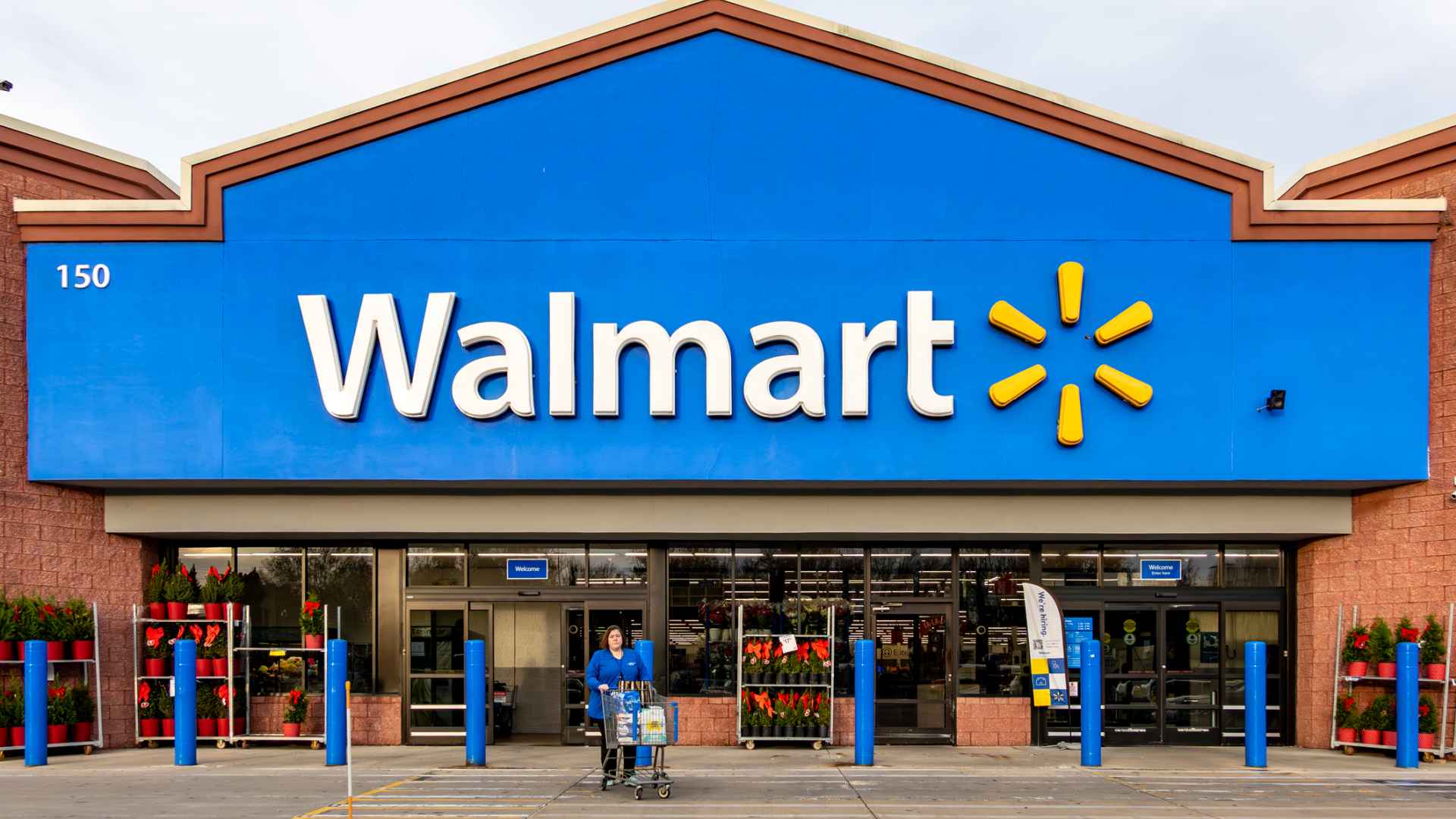
If you are wondering whether Walmart delivery drivers make good money, the short answer is that gross earnings look higher than your actual take-home profit. Most independent drivers operating through the Walmart Spark platform pull in between $15 and $25 per hour before factoring in fuel, vehicle depreciation, and self-employment taxes. Unlike traditional employees, independent contractors cover every operational cost out of pocket, meaning a $100 day rarely translates to $100 in profit.
Understanding how Walmart delivery pay works requires looking past the initial offer screen on your phone. Base pay formulas, customer tips, local incentives, and hidden vehicle expenses dictate whether a delivery shift puts money in your pocket or quietly drains your bank account.
The Core Pay Structure: How Offers Are Calculated
Walmart delivery drivers don't receive a standard hourly wage or a flat rate per drop. Instead, every trip is priced individually by an algorithm that weighs specific route metrics. When an offer pops up on your screen, the payout is calculated using three primary pillars:
- Distance Traveled: The mileage from the Walmart pickup location to the final customer drop-off. Longer trips carry higher base pay.
- Order Size and Item Count: Shopping orders or massive curbside bulk loads require more labor, which adjusts the base rate upward.
- Complexity Factors: Deliveries involving multi-story apartment buildings, heavy items like cases of water, or difficult parking configurations trigger extra compensation.
Base Pay vs. Total Payout
The number you see before accepting an order combines base pay, customer tips, and any active incentives. Base pay alone is often modest, frequently sitting between $7 and $15 depending on the mileage and batch size. Tips and peak-hour incentives turn a mediocre offer into a profitable one.
Customer Tips and Incentive Structures
Tips make up a massive percentage of a driver's weekly earnings. Drivers keep one hundred percent of confirmed customer tips. However, customers have a window of time post-delivery to adjust tips up or down, which introduces income volatility.
Walmart also deploys structured incentives to keep delivery zones fully staffed during high-demand windows:
- Lump-Sum Incentives: Earning an extra bonus amount after completing a set number of trips within a specific timeframe.
- Tiered Bonuses: Multi-level goals that reward drivers with higher cash payouts as they cross completion milestones.
- Earn-Per-Trip Add-ons: Temporary surge bonuses added to individual deliveries during peak evening hours or severe weather.
The Hidden Costs Eating Your Earnings
Gross revenue tells only half the story. Operating an independent vehicle for delivery work introduces steep overhead costs that salaried workers never face.
Fuel consumption scales directly with every mile driven. Beyond gas, frequent stop-and-go city driving accelerates brake wear, tire degradation, and oil change intervals. Insurance costs may also rise if your carrier requires a commercial or ride-share endorsement for delivery work.
Tax obligations present another hurdle. Because Walmart classifies delivery drivers as independent contractors, taxes aren't withheld automatically. You must set aside roughly 15 to 30 percent of your net earnings for self-employment and income taxes, depending on your tax bracket and local laws. Tracking your mileage meticulously using standard IRS deduction rules is non-negotiable if you want to protect your profit margins.
Evaluating Offers: The Pay-Per-Mile Rule
Experienced drivers quickly learn to ignore the gross dollar amount of an offer and focus instead on the pay-per-mile ratio. An $18 offer sounds attractive until you realize it requires a 22-mile round trip that burns through an hour of your time and a gallon of gas.
A healthy delivery strategy relies on a strict mathematical filter:
- Under $1.00 per mile: Typically a money-losing proposition once vehicle wear and gas are subtracted.
- $1.25 to $1.75 per mile: A solid working range that delivers reliable hourly profit in most suburban and urban markets.
- $2.00+ per mile: Premium offers that warrant immediate acceptance and efficient execution.
Frequently Asked Questions
Do Walmart delivery drivers get paid weekly?
Yes, earnings are typically processed and deposited weekly through direct deposit or supported online banking providers, with options for instant cash-out features depending on your account setup.
What happens if a customer pulls their tip?
Customers can modify tips after delivery. If a customer reduces or removes a tip, your total payout for that trip drops accordingly. Consistent tip-baiting is rare, but tracking your regular routes helps identify reliable neighborhoods.
Is Walmart delivery work better than food delivery?
Walmart orders generally feature larger items and heavier lifting than fast-food deliveries, but they often yield higher average payouts per trip due to multi-item batching and substantial grocery orders.
How do I maximize my daily earnings?
Focus on peak shopping hours—such as weekend mornings and weekday evenings—maintain a high acceptance standard using the pay-per-mile rule, and learn which local store zones process orders with minimal wait times.