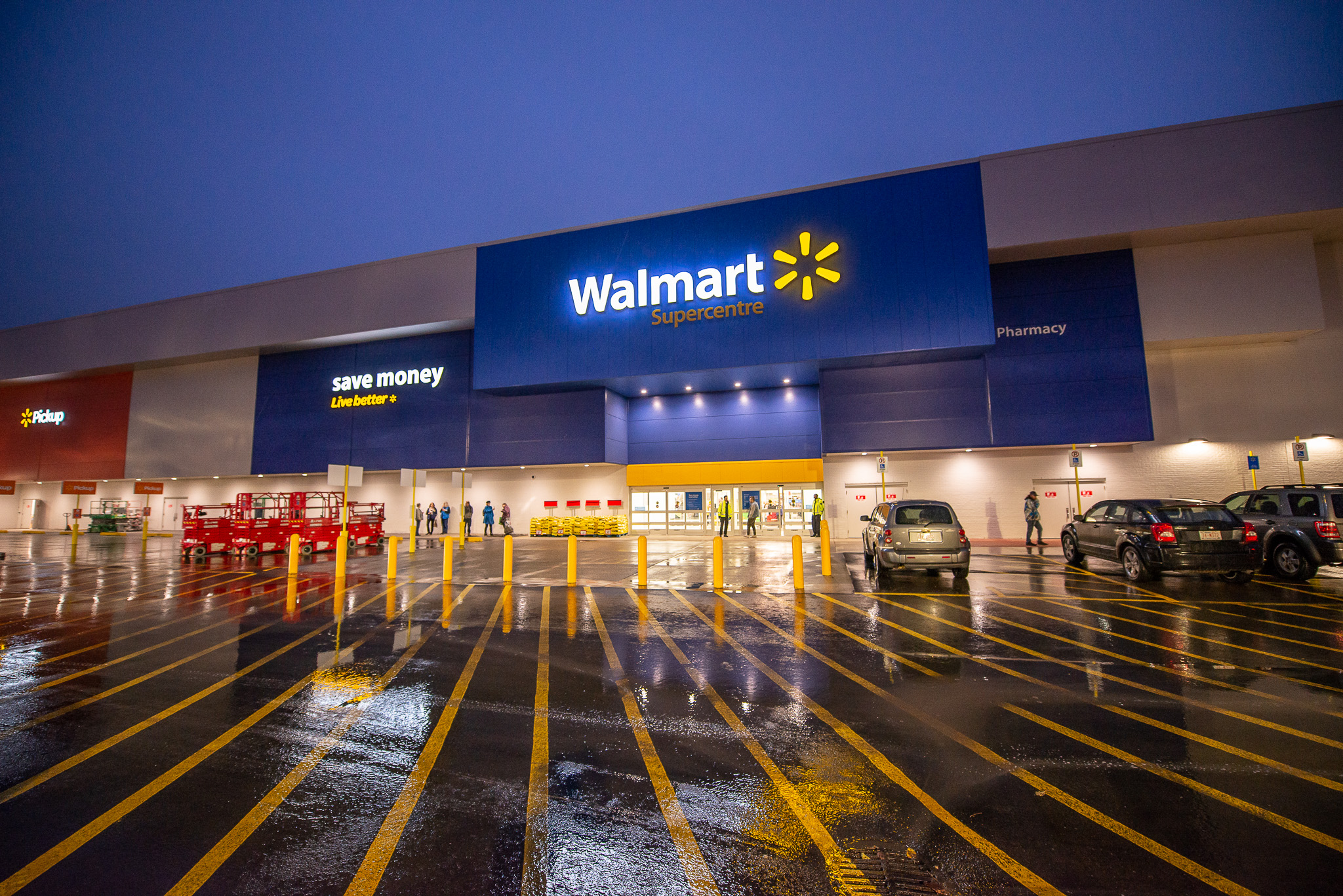
Decatur, Alabama sits along the Tennessee River as a historic industrial hub, yet its modern commercial heartbeat is heavily influenced by big-box retail. The presence of the major Walmart Supercenter in Decatur on Spring Avenue SW alongside the 6th Avenue Neighborhood Market shapes how thousands of North Alabama residents buy goods, secure employment, and interact with the regional market. Far from being just a place to pick up groceries, the retail giant acts as a powerful economic anchor that shifts local labor trends, alters small-business dynamics, and redefines consumer habits across Morgan and Limestone counties.
Understanding this impact requires looking beyond corporate press releases to examine how everyday shopping habits translate into local wages, supply chain footprints, and municipal tax revenues. This analysis breaks down the real footprint of the retail giant on Decatur's economy, the realities of working on the floor or in specialized auto care roles, and the broader shifts happening across North Alabama commerce.
Economic Footprint in Morgan County
Large-scale retail operations shift local capital flows in predictable and measurable ways. When a consumer buys household goods in Decatur, a portion of every dollar filters back into municipal coffers through sales taxes, funding local public services, road maintenance, and school systems.
- Sales Tax Generation: Big-box anchors drive heavy retail traffic, capturing tax dollars that might otherwise leak out to Huntsville or regional commercial centers.
- Property and Infrastructure Support: High-volume commercial properties contribute substantial property taxes, lightening the fiscal burden on residential homeowners within Decatur city limits.
- Supplier and Vendor Proximity: While major corporate buyers handle centralized distribution, local logistics and regional trucking companies benefit from the steady freight volume moving into North Alabama distribution corridors.
At the same time, the presence of dominant retailers alters the viability of independent neighborhood merchants. Small grocery stores, hardware shops, and specialty boutiques must carve out distinct niches—such as hyper-local customer service, artisan goods, or specialized repairs—to survive against aggressive everyday-low-pricing models.
Employment Dynamics and Retail Jobs
Retail employment in North Alabama has evolved past the traditional image of a part-time cashier ringing up groceries. Positions range from general merchandise associates to specialized technical roles in Auto Care Centers and pharmacy departments.
Hourly wages for positions like stockers, personal shoppers, and department associates in Decatur generally range from competitive starting rates upwards of fourteen to twenty-seven dollars per hour, depending on shift differentials and specific job requirements. Benefits packages often include health coverage, 401(k) matching programs, and tuition support initiatives like Live Better U, which appeal to workers balancing education or family responsibilities.
However, retail careers come with well-documented structural challenges:
- Scheduling Variability: Hourly associates often face fluctuating shift schedules that complicate personal planning and child care arrangements.
- Physical Demands: Stocking inventory, unloading freight trucks, and managing high-volume fulfillment require sustained physical exertion.
- Turnover Pressures: High-volume retail environments experience steady employee churn, requiring ongoing recruitment and training cycles for store management.
Omnichannel Shopping and Consumer Shifts
The way Decatur residents shop has transformed dramatically over the past decade. Traditional brick-and-mortar browsing now coexists with curbside pickup, home delivery, and digital inventory tracking.
Consumers routinely use mobile applications to check real-time stock for items ranging from household essentials to electronics before ever stepping foot inside a store. This omnichannel approach has turned local retail outlets into localized fulfillment centers. Personal shoppers walk the aisles pulling items for digital orders, blending warehouse logistics with traditional retail shopping.
This shift saves time for busy families across North Alabama, but it also alters the social dynamic of physical retail. Traditional impulse buying at checkout counters is replaced by algorithmic product recommendations on screens, altering how brands market goods to local consumers.
Common Pitfalls in Local Retail Analysis
When analysts examine the impact of major retail employers on mid-sized Southern cities like Decatur, a few analytical errors frequently surface:
- Overlooking Labor Competition: Observers often assume big-box wages exist in a vacuum. In reality, local manufacturing plants, healthcare networks, and warehousing facilities in the Huntsville-Decatur combined statistical area constantly compete for the same talent pool, forcing wage adjustments.
- Ignoring Consumer Savings: Critics frequently focus solely on the displacement of small downtown merchants while ignoring how lower grocery and household goods costs free up disposable income for Decatur families to spend on other local services.
- Treating Retail as Static: The transition toward automated checkout, digital inventory scanning, and app-based delivery means retail jobs are continuously being redesigned rather than simply added or cut.
Frequently Asked Questions
Where is the main Walmart Supercenter located in Decatur, Alabama?
The primary Decatur Supercenter is located at 2800 Spring Ave SW, serving the local community with full grocery, pharmacy, electronics, and auto care services. A Neighborhood Market also operates at 1203 6th Ave SE for quicker grocery trips.
How do retail wages in Decatur compare to the broader North Alabama job market?
Starting hourly wages typically range from fourteen to twenty-seven dollars per hour depending on the department, which aligns closely with regional entry-level wages for warehousing and hospitality sectors across Morgan County.
What impact does big-box retail have on small businesses in Decatur?
While large retailers capture significant market share in everyday commodities, they often create adjacent opportunities for specialty service providers, local restaurants, and trade contractors who benefit from the steady influx of shoppers visiting commercial corridors.
How has curbside pickup changed local shopping habits?
Digital ordering and curbside fulfillment have shifted a substantial percentage of routine grocery and household purchasing away from traditional in-store browsing toward scheduled, contactless pickups.



