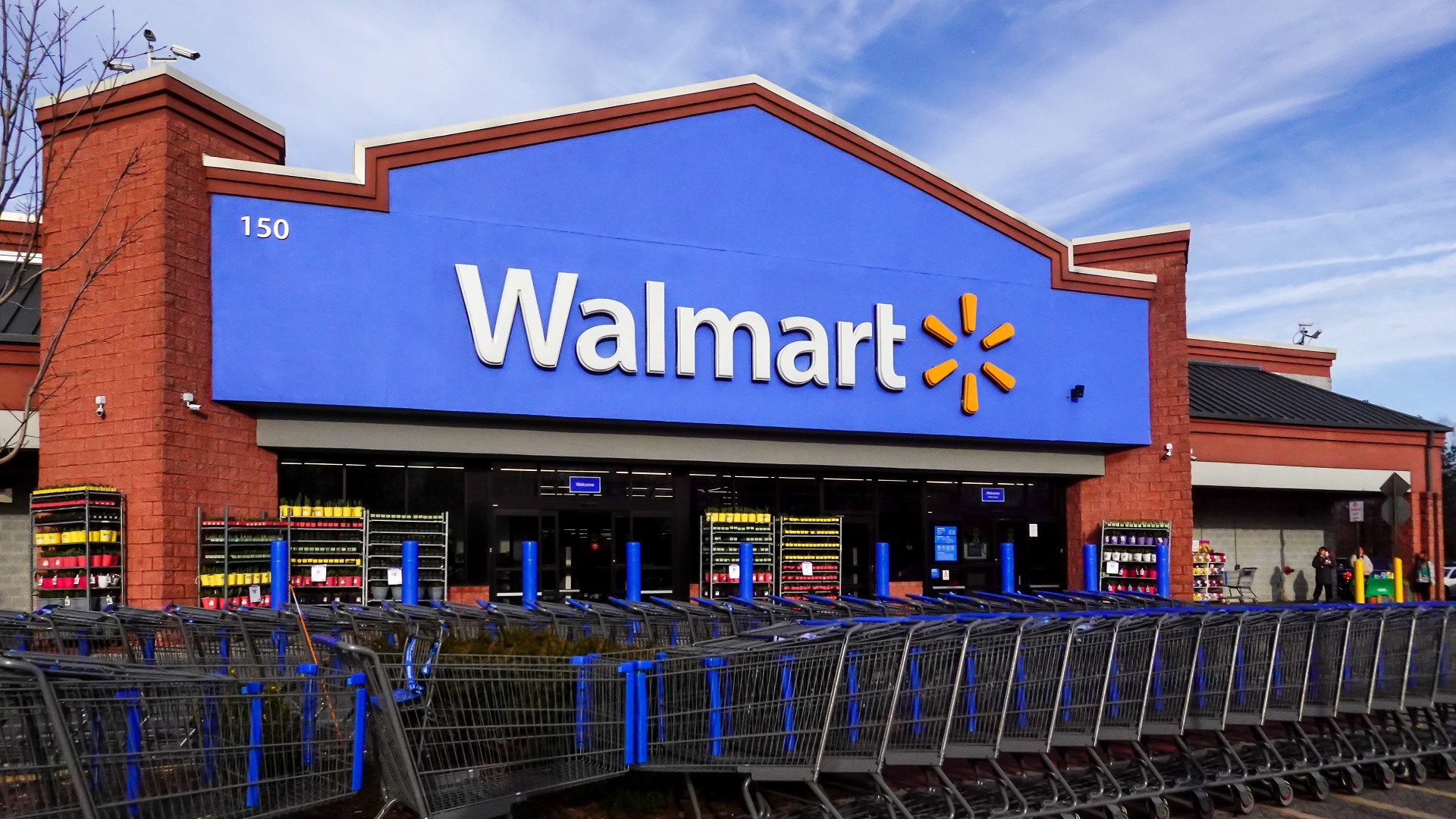
Walmart acquired the Bethel Park Shopping Center on Library Road in Allegheny County for $39.6 million. The transaction, executed through the Wal-Mart Real Estate Business Trust, covers a roughly 21-acre retail property in the Pittsburgh suburb where a Walmart store already operates. This purchase fits a long-running corporate strategy where the retail giant buys its store locations and surrounding plazas to control property management, dictate site upgrades, and secure long-term footprint control.
The high-profile real estate deal follows other major local acquisitions by the company, including its purchase of the Monroeville Mall property. By owning the real estate outright, Walmart protects its operating interests against landlord disputes and gains flexibility for future site modifications. Local shoppers and commercial real estate analysts immediately questioned what the transfer means for co-tenants, most notably the long-standing Giant Eagle supermarket located within the center.
Property Details and Transaction Breakdown
Real estate records filed in Allegheny County show that the property transfer closed with a sale date in early May. The $39.6 million price tag for the 202,358-square-foot site reflects the heavy value placed on well-positioned suburban retail assets that maintain steady consumer foot traffic.
- Sale Price: $39.6 million
- Property Size: Approximately 21 to 22 acres
- Total Building Space: Over 200,000 square feet
- Buyer Entity: Wal-Mart Real Estate Business Trust
- Location: Library Road, Bethel Park, Pennsylvania
Walmart already anchored a major portion of the complex. Acquiring the entire plaza gives the corporation complete authority over common areas, parking lot maintenance, lease renewals, and potential layout redesigns.
The Future of Giant Eagle and Existing Tenants
The immediate concern for local residents centered on whether the change in ownership would displace neighboring businesses. The Bethel Park Shopping Center has long relied on a mix of high-traffic anchors to draw consumers from across the southern suburbs of Pittsburgh.
Giant Eagle representatives addressed community concerns quickly following public records disclosures. Company spokespeople confirmed that a long-term lease agreement remains in place, securing the supermarket's presence at the center for decades to come.
+---------------------------------------------------------------+
|             BETHEL PARK SHOPPING CENTER PLAZA DYNAMICS        |
+---------------------------------------------------------------+
|  Walmart (Property Owner & Anchor)                            |
|  - Controls 21+ acres of commercial real estate   |
|  - Manages site maintenance and future layout expansions      |
+---------------------------------------------------------------+
|  Giant Eagle (Long-Term Co-Anchor)                            |
|  - Secured by a multi-decade lease agreement    |
|  - Maintains continuous grocery operations for local shoppers |
+---------------------------------------------------------------+
Company officials from Walmart indicated that shoppers shouldn't expect disruptive changes to the day-to-day layout of the property. The physical structures and parking configurations will stay functional while corporate real estate teams evaluate minor cosmetic or infrastructural updates.
Why Walmart Buys Its Own Shopping Centers
Many consumers wonder why a retail operator spends tens of millions of dollars buying an entire strip mall rather than simply renting commercial square footage. Walmart follows a deliberate property ownership model across North America.
- Asset Control: Owning the land eliminates third-party landlord friction, allowing the company to approve expansion plans or exterior renovations instantly.
- Cost Efficiency Over Time: Mortgage or direct capital outlays replace recurring rent escalations, protecting operating margins from commercial rental spikes.
- Parking and Traffic Management: Complete control over the parking deck and access points ensures that traffic flow aligns with high-volume pick-up and delivery logistics, including online order curbside staging.
- Defensive Positioning: Owning the plaza prevents competing national brands from taking over adjacent storefronts or interfering with store operations.
This strategy mirrors broader national trends where massive retail conglomerates vertically integrate their real estate holdings to insulate themselves from volatile commercial leasing markets.
Regional Retail Trends in Western Pennsylvania
The acquisition highlights a broader shift in how suburban shopping hubs survive in the modern era. Strip centers anchored by essential service providers like grocery stores and discount department outlets continue to outperform traditional enclosed malls.
Suburban real estate markets around Pittsburgh have seen steady transactional activity as institutional owners exit older assets. By stepping in as the landlord, Walmart stabilizes the commercial ecosystem of the Bethel Park corridor, ensuring the plaza avoids the vacancy cycles affecting strip malls elsewhere in the region.
You can review regional commercial updates through local reporting via CBS Pittsburgh or track corporate property filings directly through the Allegheny County Real Estate Portal.
Frequently Asked Questions
Did Walmart buy the entire Bethel Park Shopping Center?
Yes. Wal-Mart Real Estate Business Trust purchased the roughly 21-acre commercial property for $39.6 million.
Will Giant Eagle close because of the sale?
No. Giant Eagle confirmed it has a long-term lease agreement in place to continue operating its supermarket at the center.
Are immediate store renovations planned?
Walmart officials noted that no sweeping changes or immediate redevelopment disruptions are planned for the site following the transaction.
Why does Walmart buy shopping centers instead of leasing?
Owning the underlying real estate gives the corporation total control over property maintenance, parking logistics, tenant mixes, and long-term operating costs.


