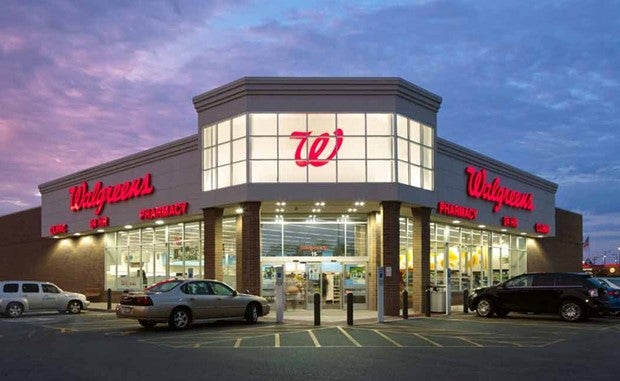
Behind every filled prescription at a national corner drugstore, a complex logistical system ticks forward. A Walgreens WBA employee, particularly those working within pharmacy operations, serves as the structural backbone that keeps daily services running smoothly. While customers only interact with the final handoff at the counter, a multi-tiered team of pharmacy technicians, operations managers, and support staff manages inventory, data entry, insurance adjudication, and compliance standards. Understanding this workforce reveals how massive retail healthcare networks handle thousands of prescriptions daily without sacrificing safety or speed.
Modern retail pharmacy chains operate under tight regulatory frameworks and immense patient volume. Pharmacy staff members don't just count pills; they execute precise digital workflows, verify insurance claims, manage cold-chain storage for vaccines, and coordinate closely with prescribing physicians. This article breaks down the core responsibilities of a Walgreens WBA employee in pharmacy operations, the daily workflow challenges they navigate, and the structural impact they have on community health.
Core Responsibilities of Pharmacy Operations Staff
Pharmacy operations rely on a clear division of labor between licensed pharmacists and operational support staff. While pharmacists focus on clinical validation, drug utilization reviews, and patient counseling, operations employees handle the physical and administrative pipeline.
Prescription Intake and Data Entry
The first operational step begins when a prescription arrives physically, electronically, or via phone. Pharmacy technicians and data entry clerks transcribe patient information, doctor credentials, and drug codes into the Walgreens dispensing software. Accuracy at this stage prevents dispensing errors and flags potential adverse drug interactions before the pharmacist ever sees the file.
Insurance Adjudication and Resolution
Insurance rejections represent one of the most frequent bottlenecks in retail pharmacy. Operations staff troubleshoot complex billing issues, handle prior authorizations, and communicate with insurance providers or third-party administrators. Resolving these claims quickly ensures that patients can afford and pick up their medication on time without unexpected delays.
Inventory Control and Supply Management
Keeping shelves stocked with hundreds of active pharmaceutical ingredients requires constant monitoring. Pharmacy operations employees track expiration dates, process daily warehouse orders, and manage controlled substance logs with absolute precision. Proper stock rotation prevents waste and guarantees that critical maintenance medications remain available for regular patients.
Navigating Daily Pharmacy Workflow Challenges
A typical shift inside a high-volume retail pharmacy moves at a relentless pace. Staff members must balance long lines at the physical pickup window with endless queues of drive-thru traffic and incoming electronic prescriptions.
Managing Task Interruptions
Pharmacy workers experience constant context-switching. An employee might be mid-way through filling a complex liquid suspension when a phone rings with an urgent doctor's inquiry, or a patient arrives needing an acute vaccine consultation. Establishing strict station rotations helps teams minimize burnout and maintain safety checklists.
Technology Integration and Automation
Modern pharmacy operations rely heavily on automated dispensing cabinets, digital refill apps, and central fill facilities. Operations employees must troubleshoot hardware errors, manage script routing between local stores and regional hubs, and guide patients through digital health tools. When technology fails, staff rely on manual backups to keep the pharmacy operational.
The Impact of Pharmacy Operations Managers
At the supervisory level, the Pharmacy Operations Manager (POM) or pharmacy manager oversees the entire non-clinical ecosystem. This role directly influences labor scheduling, workflow optimization, and staff training compliance.
- Staff Development: Hiring, onboarding, and training pharmacy technicians to meet state board requirements.
- Workflow Scheduling: Allocating staff hours efficiently to match peak prescription volume times during morning and evening rushes.
- Compliance Oversight: Ensuring adherence to HIPAA regulations, OSHA safety standards, and Drug Enforcement Administration (DEA) record-keeping rules for controlled substances.
Without strong operational leadership at the store level, prescription wait times increase, error risks multiply, and customer satisfaction drops.
Frequently Asked Questions
What qualifications do Walgreens pharmacy operations employees need?
Most entry-level pharmacy service associates and trainee technicians require a high school diploma and must pass a background check. Pharmacy technicians typically need to obtain state registration or licensure and pursue a recognized certification, such as the PTCB certification, within a specified timeframe.
How do pharmacy operations staff handle medication shortages?
When a specific drug faces national manufacturing shortages, operations staff communicate with alternative suppliers, contact prescribing physicians to discuss therapeutic substitutions, and coordinate with nearby district stores to transfer stock for waiting patients.
What is the difference between a pharmacist and a pharmacy operations employee?
Pharmacists hold a Doctor of Pharmacy (PharmD) degree and are legally responsible for clinical decisions, final product verification, and patient counseling. Pharmacy operations employees—including technicians, cashiers, and operations managers—manage the logistical, administrative, and technical steps required to process and dispense prescriptions.
How do pharmacy teams ensure patient privacy during high-volume hours?
Staff adhere strictly to HIPAA privacy guidelines by using discrete customer consultation areas, positioning computer privacy screens away from public view, and securely shredding physical documents containing protected health information.



