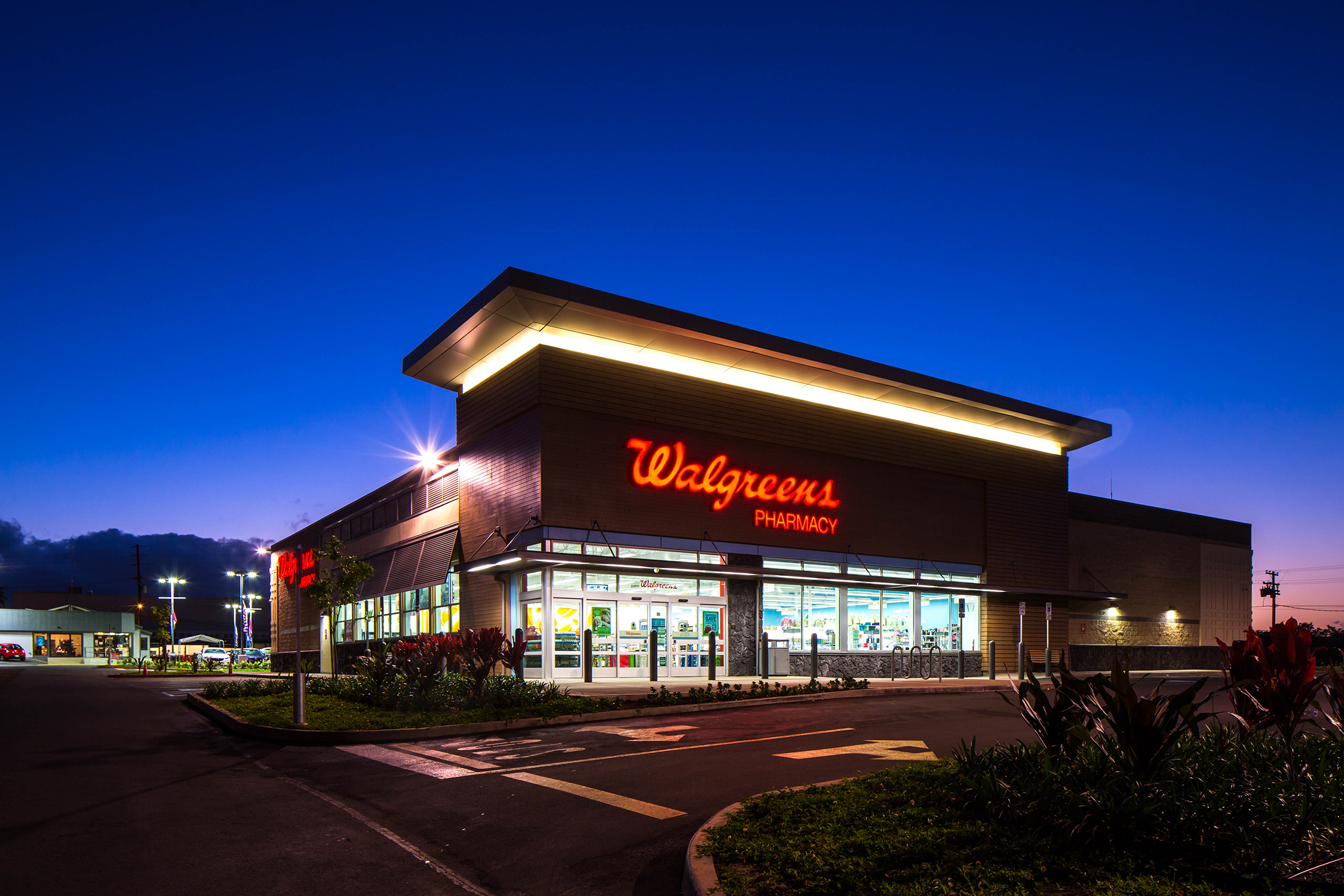
Operating a 24-hour retail pharmacy model is no longer a standard baseline for major drugstores. Walgreens has steadily reevaluated its overnight footprint, balancing consumer demand for round-the-clock prescription access against labor constraints, rising security expenses, and changing local foot traffic.
For years, stepping out at 3 a.m. for an urgent prescription refill or over-the-counter medicine was simple. Today, finding a genuinely round-the-clock Walgreens location requires checking specific regional maps, as the company has rolled back continuous overnight operations across thousands of traditional storefronts.
The Economics of Overnight Retail Operations
Running a physical storefront through the overnight hours carries heavy financial overhead. Fixed utility costs, security measures, and premium shift differentials for pharmacists and technicians add up quickly.
When customer volume drops to a trickle between midnight and 6 a.m., maintaining full staffing levels creates an operational deficit. Retail chains evaluate whether the revenue generated during those quiet hours covers the baseline cost of keeping the lights on.
- Labor costs: Overnight shifts require premium pay rates to attract licensed pharmacists and certified pharmacy technicians.
- Security overhead: Late-night retail environments often require dedicated security personnel or restricted access protocols to protect staff and controlled substances.
- Transaction volume: Low foot traffic means fewer front-end impulse purchases, which historically subsidized the pharmacy's operational costs.
Labor Realities and Staffing Pressures
The broader healthcare sector has faced documented shortages of licensed pharmacists and technicians. Operating a 24-hour pharmacy requires a minimum of three distinct shifts per position every single day, placing immense pressure on local talent pools.
When staffing shortages hit specific districts, keeping a location open around the clock becomes unsustainable. Rather than risking safety errors or forcing exhausted teams to pull double shifts, management teams trim operating hours. This adjustment allows stores to concentrate their available workforce during peak daytime and evening rushes when patient volume is highest.
- Centralized fulfillment models have also changed how prescriptions are processed, reducing the need for overnight staff to handle manual backlogs.
- Concentrating available pharmacists into regional hubs ensures that at least one location remains open to serve urgent overnight needs without burning out local staff.
Navigating Localized Access and Finding Open Stores
Because nationwide numbers fluctuate based on local hiring conditions, assuming a neighborhood Walgreens is open 24 hours can lead to a wasted trip. Out of thousands of corporate locations, only a small fraction maintain continuous operations.
Patients needing late-night care must verify operating hours before driving out. Relying on outdated signage or digital map listings can cause frustrating delays during urgent situations.
- Use the official Walgreens Store Locator to filter explicitly by 24-hour pharmacy services.
- Call the specific location directly to confirm that both the front store and the pharmacy window are staffed for overnight service.
- Check alternative healthcare access points, such as local hospital outpatient pharmacies or urgent care centers, if no regional retail pharmacy is open.
Common Mistakes When Seeking Late-Night Prescriptions
Patients often run into avoidable hurdles when trying to fill urgent medications during unconventional hours. Understanding these pitfalls saves time and prevents treatment interruptions.
- Assuming all 24-hour stores have open pharmacies: Some locations keep the front retail register open all night, but close the pharmacy counter during early morning hours.
- Ignoring electronic prescribing cutoffs: Doctors' offices may send a prescription late at night, but if the local pharmacy is closed, it won't be processed until the morning shift arrives.
- Overlooking insurance pre-authorizations: Night staff often have limited ability to resolve complex insurance rejections, making daytime fills much smoother for specialty medications.
Frequently Asked Questions
Are all Walgreens 24-hour stores closed permanently?
No. While many locations have transitioned to standard daytime and evening hours, a select group of strategic regional stores maintain 24-hour pharmacy operations to serve emergency prescription needs.
Can I pick up a prescription at the drive-thru overnight?
At locations that maintain true 24-hour status, the pharmacy drive-thru remains operational. However, if the specific store has reduced its hours, the drive-thru closes alongside the indoor pharmacy counter.
What should I do if I need an urgent medication at 2 a.m. and my local Walgreens is closed?
If a prescription cannot wait until morning, patients should contact their local hospital's emergency department or an urgent care clinic, which often maintains an on-site dispensary for acute needs.
Why did Walgreens reduce overnight hours in the first place?
The shifts are driven by a combination of labor availability, operational efficiency, and a strategic pivot to concentrate resources during high-traffic daytime hours when patient demand peaks.



: Complete Survey Guide and Rewards](https://www.simpleeverydaymom.com/wp-content/uploads/2023/10/Pilgrim-Photo-Craft-for-Thanksgiving-image-559x1024.jpg)