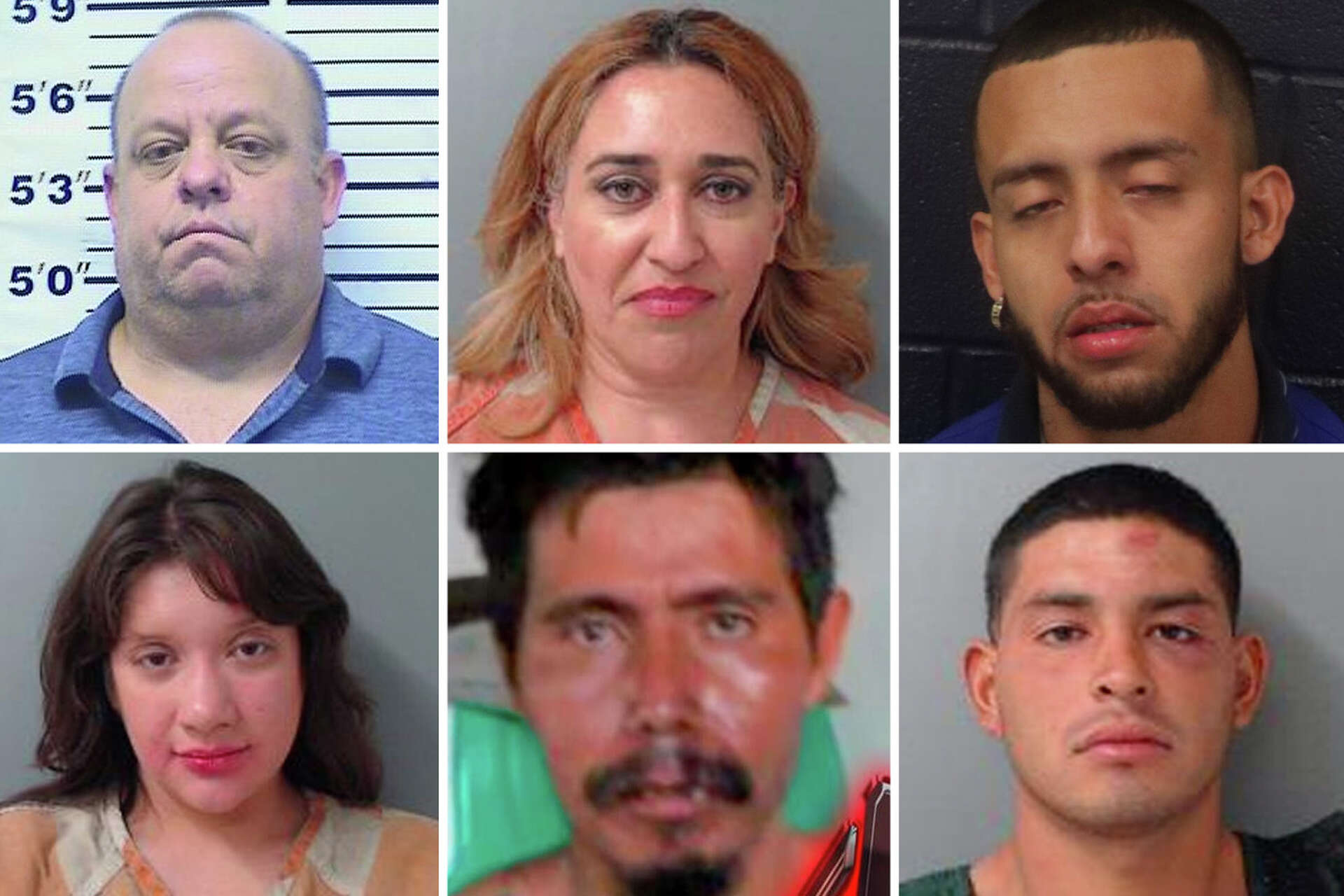
Public access to booking records and arrest photographs in Wake County, North Carolina, sits at a tense crossroads between government transparency and personal privacy. When local law enforcement agencies capture an individual during a booking process, those images and associated charges enter public databases almost instantly. Understanding how these records propagate online, the legal frameworks governing them, and the steps required to address them demands a close look at North Carolina public records statutes.
Government transparency serves a vital role in local accountability, but the proliferation of commercial publishing sites has created long-lasting digital footprints for unconvicted individuals. Navigating this landscape requires clear knowledge of state laws, agency responsibilities, and the limitations of digital privacy.
The Legal Framework of Public Records in North Carolina
Under North Carolina General Statutes Chapter 132, public records include all documents, papers, letters, maps, books, photographs, films, sound recordings, or other material made or received in connection with the transaction of public business by any agency of North Carolina government or its subdivisions. Arrest records, incident reports, and booking photographs managed by the Wake County Sheriff's Office or the City-County Bureau of Identification (CCBI) fall squarely under this definition.
The underlying philosophy is straightforward: government operations must remain open to the public to ensure trust and oversight. Making information accessible via online portals also reduces the administrative burden on county staff and saves taxpayer money by eliminating the need for physical visits to county offices. However, this open-access model creates significant friction when state-collected data is scraped, indexed, and republished by third-party aggregators who operate independently of county government control. For another perspective on this development, refer to the recent coverage from Reuters.
How Booking Information Spreads Online
The digital booking boom transformed local arrest data into a global commodity. When local agencies publish daily arrest logs or jail populations, automated web scrapers capture these files within minutes. This data is then syndicated across dozens of independent commercial websites that specialize in publishing mugshots.
These third-party platforms often operate outside standard journalistic oversight. Many monetize the traffic generated by these pages through advertisements or charge removal fees to individuals seeking to clear their names. Because these entities are private companies, county and state offices have no direct authority to force them to take down records, even if the underlying charges were later dropped or dismissed.
If you need official, certified copies of an arrest record directly from the source, you must submit a formal request to the Wake County Bureau of Forensic Services. Official channels adhere strictly to statutory guidelines, whereas commercial aggregators exist purely to profit from the public availability of raw data.
Expungement and Record Clearing in North Carolina
For individuals whose cases did not result in a conviction, North Carolina law provides mechanisms to clear official records through a process known as expunction. When a judge grants an order for expunction, state and local agencies must remove or seal the records from public criminal databases.
- Dismissals and Not Guilty Verdicts: Under N.C.G.S. Section 15A-146, charges that are dismissed or result in a verdict of not guilty carry no statutory waiting period and have no limit on the number of times you can file.
- First-Time Misdemeanors: Non-violent misdemeanor convictions require a waiting period of five years following the completion of the sentence, provided there are no other disqualifying convictions.
- First-Time Non-Violent Felonies: Qualifying non-violent felonies require a ten-year waiting period after sentence completion.
Once an expunction order is signed and processed, official government databases remove public visibility of the arrest and court files. However, because third-party websites harvest data before expunctions occur, individuals often have to contact those specific publishers directly, providing proof of dismissal or expunction to request manual removal.
Practical Steps to Protect Personal Privacy
If you are dealing with the online publication of an arrest record or booking photo in Wake County, taking a structured approach yields the best results.
- Verify the official disposition: Obtain official documentation from the Wake County Clerk of Superior Court proving that your charges were dismissed, reduced, or expunged.
- Identify the publisher: Note the specific web domains hosting the content. Avoid paying unverified extortion fees to shady operators; instead, look for their official removal request policies.
- Submit formal takedown notices: Send copies of your official dismissal or expunction paperwork to the site administrators, citing the updated legal status of the case.
- Monitor search engine indexing: Once a publisher removes content, you can use search engine tools like Google's outdated content removal requests to accelerate the clearing of cached search snippets.
Frequently Asked Questions
Can Wake County remove my mugshot from their official website?
Wake County government agencies cannot alter or delete public records unless required or authorized by state statute, such as an official order of expunction. They do not control third-party aggregator sites.
Are all North Carolina arrest records public?
Most records generated by law enforcement agencies and courts are public under N.C.G.S. Chapter 132. Exceptions apply to juvenile cases, confidential investigative materials, and records that have been formally expunged by a judge.
How long does an expungement take in Wake County?
The expunction process typically takes several months from the initial filing date to final distribution, depending on court dockets and the time required for state agencies to process the order.
Can private websites be sued for publishing old mugshots?
Legal remedies depend on specific state laws regarding the commercial exploitation of likeness and whether the publication violates privacy torts, though federal protections like Section 230 often complicate direct lawsuits against platform hosts. Consulting a qualified attorney is essential for complex disputes.



