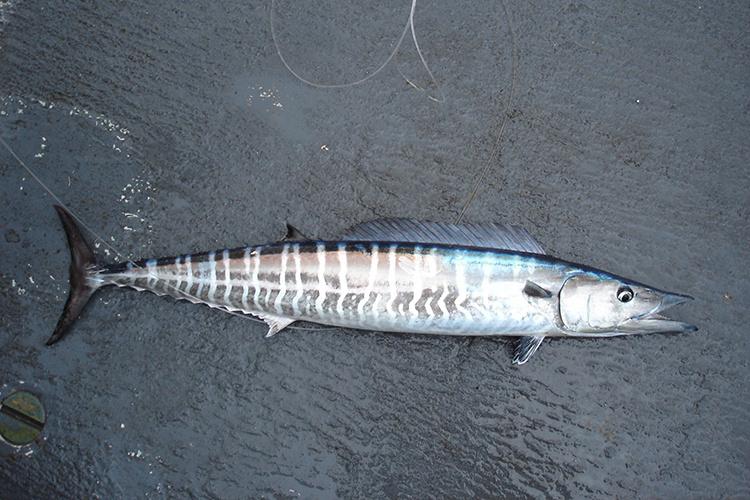
The wahoo fish tacos phenomenon didn't start in a corporate test kitchen or a high-end culinary incubator. It evolved from humble open-air stalls along the dusty roads of Baja California and translated into a major cultural footprint through surf culture, immigrant determination, and cross-border flavor blending. If you want to understand how a simple street-side snack of fried or grilled fish, shredded cabbage, and white sauce captured a global audience, you have to look past the branding and examine the actual mechanics of flavor, migration, and timing.
Long before international franchises turned coastal Mexican street food into a fast-casual staple, fishermen along the Pacific coast of Mexico wrapped whatever fresh catch they had—often local whitefish, shark, or wahoo—into warm corn tortillas. These early iterations relied on simplicity. Freshness was non-negotiable because refrigeration was scarce. When surfers from Southern California drove south to catch waves in Baja during the 1960s and 1970s, they discovered these seaside stands. They brought the concept back north, planting the seeds for a culinary obsession that would eventually cross oceans.
The Roots of Baja Street Food
To trace the rise of the fish taco, you have to look at Ensenada, Mexico. Historians generally credit local markets and street vendors in this coastal city with commercializing the battered, fried fish taco in the 1950s or 1960s. Vendors used lightweight batter made from flour, water, and sometimes local beer, dropping strips of fish into boiling lard or oil until crisp.
The assembly was precise. A warm corn tortilla served as the base, topped with the fried fish, crisp shredded cabbage for texture, a dollop of mayonnaise- or crema-based white sauce, and a squeeze of fresh lime juice. Pico de gallo or a fiery salsa added heat.
[Warm Corn Tortilla]
       ↓
[Crisp Fried or Grilled Fish]
       ↓
[Shredded Cabbage]
       ↓
[Crema / White Sauce & Lime]
This combination hit every human sensory trigger. You get hot and cold textures, crunchy and soft elements, richness from the fat and fish, and sharp acidity from the citrus. When American surfers experienced this after hours in the saltwater and sun, it wasn't just lunch—it was fuel. They brought the craving home to California, where the local palate was primed for Mexican food but had rarely encountered seafood prepared this way.
The Orange County Catalyst and Fusion
The modern institutionalization of the trend took shape in Costa Mesa, California, in 1988. Three brothers—Wing, Mingo, and Eduardo Lee—opened the first Wahoo's Fish Taco location. Their background added a unique layer to the product. Born in Brazil to Chinese parents and later migrating to Southern California, the brothers infused their menu with personal history.
Instead of copying traditional Baja recipes strictly, they blended elements from multiple culinary traditions:
- Baja California: The core concept of fresh fish wrapped in tortillas with cabbage slaw.
- Brazil: Serving the tacos alongside black beans and white rice, a staple of their household upbringing.
- Asia: Incorporating sweet-and-spicy chili sauces, soy-infused marinades, and green sauces inspired by Asian flavor profiles.
This multicultural background turned a regional Mexican street item into a universal canvas. Surfers, skaters, and local office workers packed the original locations, drawn as much by the quirky surf-and-action-sports memorabilia plastered on the walls as by the food itself.
From Regional Cult Favorite to Global Expansion
Word of mouth propelled the brand across Southern California during the late 1980s and 1990s. Rather than using traditional corporate advertising, the founders relied on grassroots community integration. They sponsored local surf contests, supported high school sports teams, and catered events for action sports brands.
As the cultural wave of skate and surf lifestyle grew globally in the 2000s, the food traveled with it. By the time the concept expanded to other states and eventually internationally to places like Tokyo, consumer tastes had shifted. People didn't just want heavy, grease-laden fast food anymore. They wanted options that felt fresh, transparent, and connected to an active lifestyle.
The fast-casual dining sector ballooned on the back of this shift. Competitors noticed that consumers were willing to pay slightly more for food perceived as healthier or more authentic than standard burger chains. Fish, once considered risky for mass-market fast food due to spoilage concerns and supply chain complexities, proved viable thanks to improved freezing and logistics technology.
Replicating the Experience at Home
If you want to make authentic-style fish tacos in your own kitchen, you don't need commercial deep-fryers. You can achieve exceptional results using a hot skillet or grill. Here is a reliable method for making four servings at home.
- Prepare the slaw: Thinly slice two cups of green cabbage and a quarter cup of red onion. Toss with two tablespoons of fresh lime juice, a splash of apple cider vinegar, and a pinch of salt. Let it rest for twenty minutes to draw out the crispness.
- Mix the sauce: Combine a half cup of Mexican crema or low-fat mayonnaise with two tablespoons of chopped cilantro, a dash of hot sauce, and a squeeze of lime juice.
- Season the fish: Take one pound of firm white fish—mahi-mahi, cod, or actual wahoo if available. Cut into strips and season with garlic powder, cumin, salt, and black pepper.
- Cook: Heat a cast-iron skillet over medium-high heat with a small amount of neutral oil. Cook the fish for two to three minutes per side until opaque and slightly charred on the edges.
- Assemble: Heat corn tortillas directly over an open flame on your stove until pliable and slightly charred. Layer with the fish, citrus slaw, white sauce, and a pinch of fresh cilantro.
Common Mistakes to Avoid
When preparing fish tacos at home or studying their commercial evolution, certain errors consistently pop up. Avoiding these pitfalls makes a dramatic difference in quality.
- Using delicate or watery fish: Fish like tilapia or flounder can fall apart easily on a grill or absorb too much moisture, turning soggy. Opt for firm-fleshed varieties like mahi-mahi, wahoo, or swordfish.
- Skipping the double tortilla: Authentic street-style tacos use two thin corn tortillas nested together. This prevents the liquid from the slaw and sauce from tearing through the base on the first bite.
- Overcomplicating the marinade: Fish cooks quickly. Heavy, sugary marinades burn before the fish cooks through. Keep seasonings dry or apply liquid citrus just before cooking.
- Neglecting texture contrast: A fish taco lives or dies by its crunch. If the fish is soft and the tortilla is soft, you need crisp raw cabbage or radishes to balance the mouthfeel.
Frequently Asked Questions
What kind of fish is actually used in a wahoo fish taco?
While the namesake fish is wahoo (a prized game fish known for its firm, mild-flavored flesh), many restaurants and home cooks substitute mahi-mahi, cod, halibut, or snapper due to supply consistency and cost.
Are fish tacos originally from Mexico or California?
The concept of the fish taco originated in Baja California, Mexico. However, the specific fusion style featuring Asian and Brazilian influences packaged as a lifestyle brand was popularized in California.
Why is cabbage used instead of lettuce?
Cabbage has a higher water content structure and cellular density than lettuce, meaning it maintains its crisp crunch even when exposed to warm fish, hot sauce, and acidic lime juice. Lettuce wilts almost instantly under heat.
Can you freeze cooked fish for tacos later?
No. Reheating cooked fish for tacos ruins the texture, making it rubbery and dry. Always cook the fish fresh right before assembling the meal.



