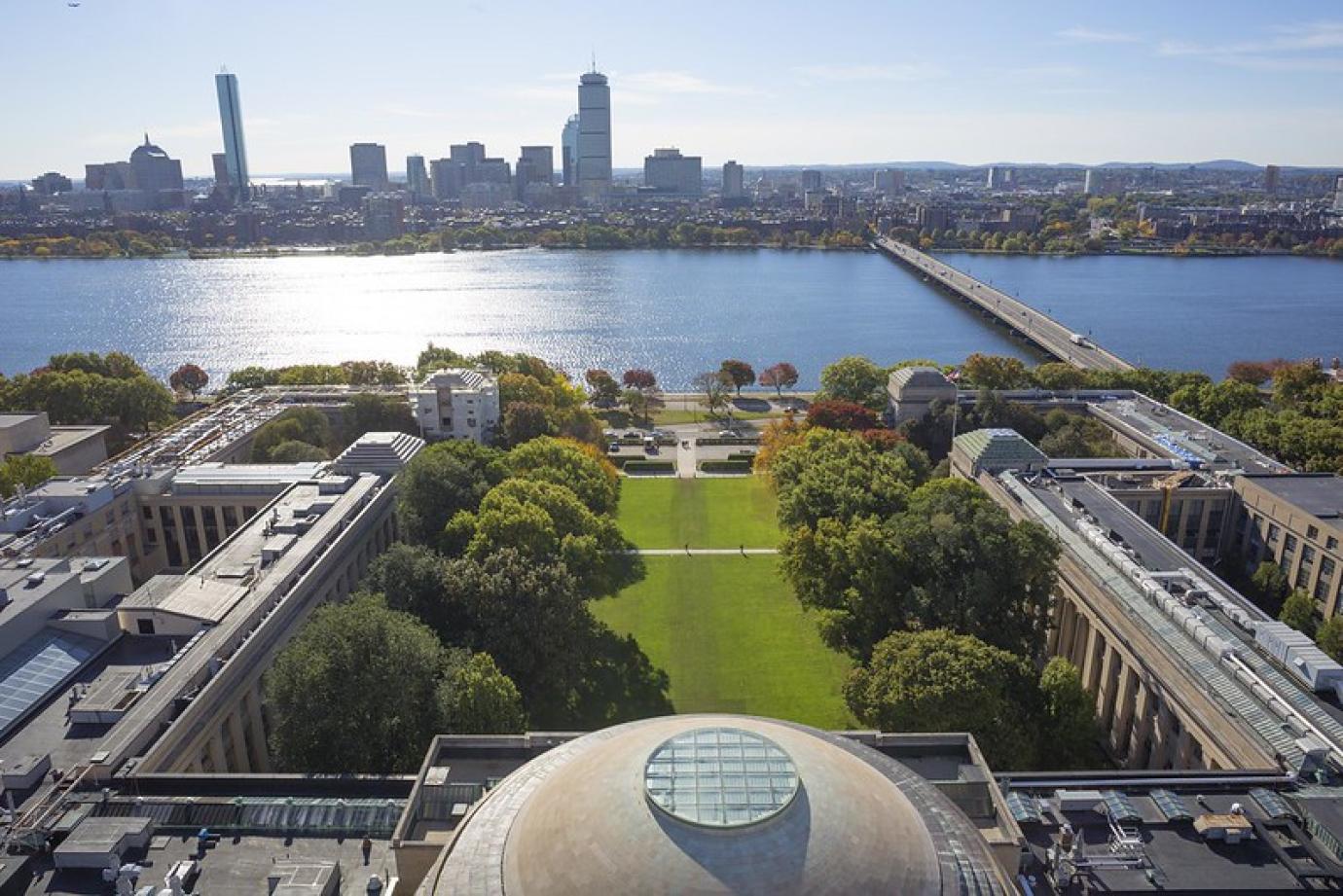
Long before building multimillion-dollar enterprises, the Wahlberg brothers grew up sharing a crowded three-bedroom apartment in Dorchester, a gritty neighborhood in Boston. Raised by a single mother, Alma, nine siblings navigated tight finances, local street culture, and early missteps that frequently threatened their futures. Today, the family name represents a sprawling global commercial footprint spanning casual dining, fitness, apparel, and entertainment production. This evolution from Boston's harsh streets to international boardrooms wasn't accidental; it required transforming raw hustle into disciplined corporate execution.
The family's commercial expansion centers heavily on the culinary sector, anchored by Wahlburgers, the casual dining burger chain founded in 2011. Brothers Paul, Mark, and Donnie teamed up with chef Paul—who had already proven his culinary chops by opening Alma Nove in Hingham, Massachusetts—to launch a concept rooted in their chaotic childhood memories. Rather than licensing their likeness to a third-party corporation, the brothers maintained tight operational control, leveraging their celebrity status to drive initial foot traffic while relying on Paul's kitchen expertise to maintain product quality. The strategy worked, quickly scaling from a single Massachusetts storefront into an international brand with locations across North America.
Building the Brand: From Reality TV to Retail Expansion
The turning point for the burger chain came in 2014 when the A&E network launched the Wahlburgers reality television series. Running for 10 seasons across 95 episodes, the show served as a masterclass in organic marketing. It invited viewers behind the scenes of the family dynamic, turning sibling arguments and kitchen stress into prime-time entertainment. Fans didn't just watch a restaurant grow; they watched the brothers honor their mother by naming signature menu items after family members. This emotional resonance turned everyday consumers into brand loyalists.
However, scaling a restaurant group across international markets brought distinct operational friction. While early expansions into cities like Toronto and various U.S. metropolitan hubs gained traction, other ventures hit roadblocks. High-profile locations in New York and North Carolina faced health code setbacks and franchisee disputes, forcing management to reassess retail strategies. To sustain growth without overextending brick-and-mortar operations, leadership forged strategic partnerships with major regional entities. Agreements with supermarket chains like Meijer and grocery giants like Hy-Vee embedded Wahlburgers branded products directly into retail aisles and in-store dining concepts, cushioning the brand against traditional restaurant market volatility.
Diversification Into Fitness, Apparel, and Media
While the burger chain put food on the map, Mark Wahlberg's independent corporate portfolio pushed the family name into entirely different industries. Recognizing the limitations of relying solely on entertainment income, Mark systematically diversified his capital into high-growth sectors, establishing several foundational entities:
- Closest to the Hole Productions: Founded in 2004, this scripted production company produced major film and television projects, most notably the hit HBO series Entourage, which drew inspiration from Mark's own early days breaking into Hollywood.
- Unrealistic Ideas: Launched in 2018 alongside partners Stephen Levinson and Archie Gips, this unscripted production banner focuses on documentaries and docuseries, capitalizing on the true-crime and streaming boom.
- Municipal: Co-founded in 2020 with Harry Arnett and Stephen Levinson, this premium activewear and lifestyle apparel brand targets consumers looking for transitional clothing that bridges gym wear and daily casual attire.
- F45 Training: Mark acquired a significant pre-IPO stake in the global fitness franchise in 2019, later stepping in as Chief Brand Officer to help steer marketing initiatives through turbulent public market transitions.
This methodical diversification protected the broader portfolio. When global health crises impacted physical dining rooms and fitness studios, digital media properties and retail grocery partnerships absorbed the shock, keeping cash flow steady across the corporate ecosystem.
Overcoming Obstacles and Legal Hurdles
The journey from Dorchester to global commerce hasn't been frictionless. Building a multi-industry empire under intense public scrutiny invites legal and operational friction. Early on, the venture faced internal shareholder disputes, including high-profile lawsuits from early partners alleging profit diversion and structural exclusion from key decisions. Resolving these disputes required complex corporate restructuring and legal mediation to clear the path for institutional expansion.
Furthermore, pandemic-era disruptions forced the closure of several flagship and international properties, including high-profile sites in London and various domestic franchised locations. Leadership responded by trimming underperforming assets and refocusing capital on core markets and scalable retail distribution. By cutting losses on unprofitable storefronts, the enterprise preserved its long-term financial health and maintained investor confidence.
Strategic Takeaways for Aspiring Entrepreneurs
The trajectory of the Wahlberg family business offers concrete blueprints for modern brand builders looking to scale personal influence into durable commercial assets:
- Leverage Authentic Roots: The success of Wahlburgers hinged on real family history, genuine recipes, and transparent storytelling rather than manufactured corporate personas.
- Control the Supply Chain: Transitioning from standalone restaurants to retail grocery partnerships allowed the brand to capture revenue streams outside of brick-and-mortar dining overhead.
- Diversify Across Uncorrelated Sectors: By spreading investments across entertainment, hospitality, apparel, and fitness, the family insulated their overall net worth from industry-specific downturns.
- Adapt Quickly to Market Shifts: When physical storefronts faced headwinds, management aggressively pivoted toward digital engagement, delivery optimization, and retail product placement.
For further reading on corporate scaling strategies, consult the U.S. Small Business Administration for foundational business guidance, or review industry analyses on Forbes regarding celebrity-backed brand portfolios.
Frequently Asked Questions
Which Wahlberg brother is the primary driver behind the business empire?
While chef Paul manages culinary operations and Donnie provides strategic and promotional support, Mark acts as the primary financial engine and public face of the broader corporate portfolio, spearheading multi-industry investments in fitness, apparel, and media production.
How many Wahlburgers locations currently operate worldwide?
Following strategic contractions that closed underperforming urban and international sites, the chain operates dozens of core locations globally, supported heavily by retail grocery partnerships that place branded food items directly onto supermarket shelves.
Did the Wahlberg brothers have formal business training before launching these companies?
No. The brothers built their commercial acumen through real-world experience, leveraging early entertainment earnings as venture capital, and surrounding themselves with seasoned corporate executives—such as former restaurant CEOs and industry veterans—to manage daily operational complexities.
What inspired the name and concept of Alma Nove?
Named in honor of their mother, Alma, and the fact that she raised nine children (nove is Italian for nine), Alma Nove was chef Paul Wahlberg's upscale pre-cursor to Wahlburgers, establishing the family's culinary credibility in Massachusetts before their global expansion.


