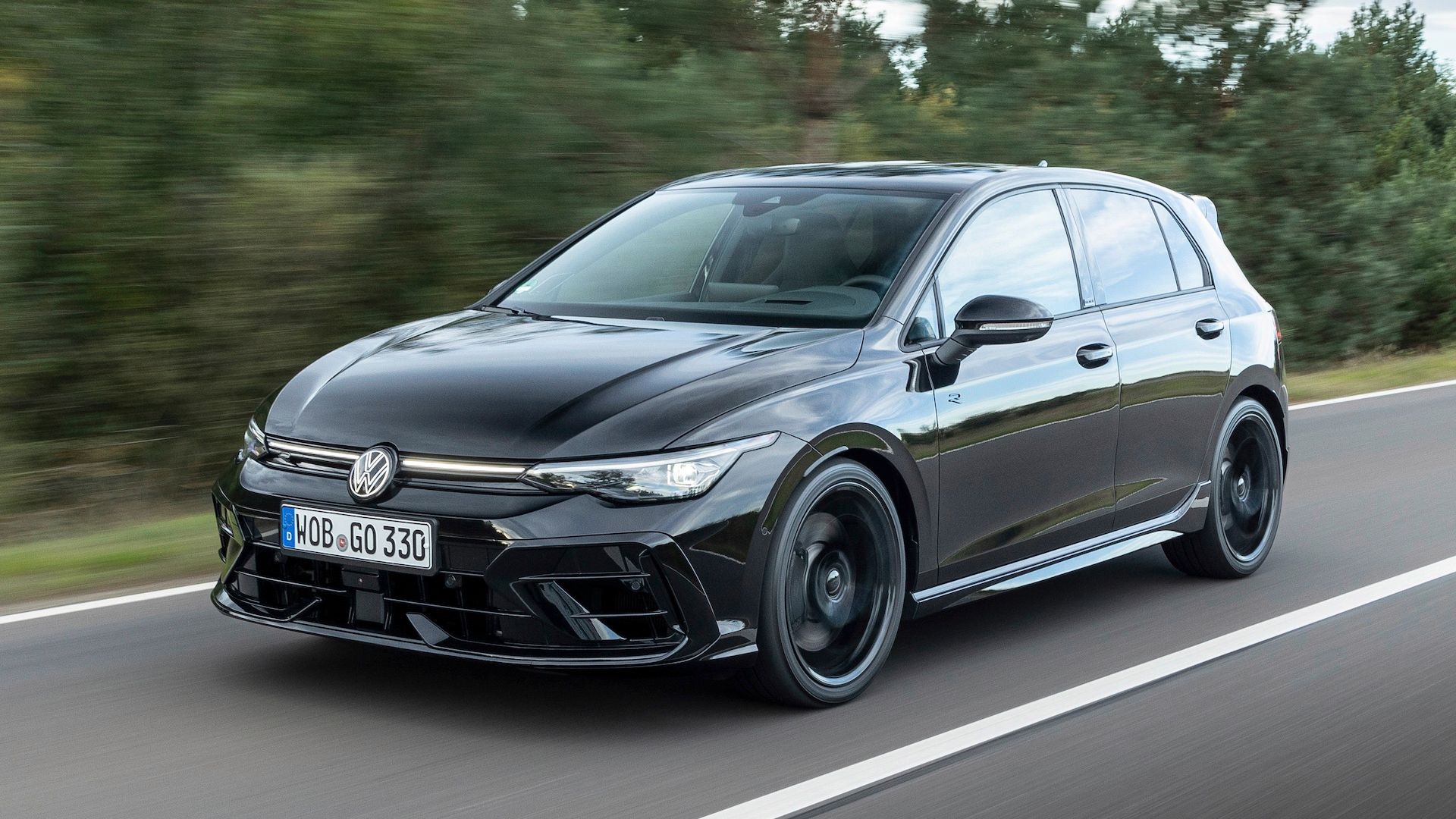
Optimizing the Volkswagen Golf GTI Mk7.5 requires balancing factory hardware limits with precise software calibration. The EA888 Gen 3 engine responds exceptionally well to tuning, but unlocking reliable horsepower means addressing thermal management, fueling, and drivetrain weak points systematically.
This manual covers the exact staging progression, hardware requirements, and common pitfalls involved in modifying the Mk7.5 platform. Whether you're chasing a responsive daily driver or a track-capable hot hatch, here is how to build power correctly.
Understanding the EA888 Gen 3 Engine and Factory Limits
The 2.0-liter TSI engine in the Mk7.5 produces 228 horsepower and 258 lb-ft of torque in US specification. Beneath the factory tune lies a robust closed-deck-style iron block with forged internals that can handle significantly more power. However, factory components have specific thresholds before reliability drops.
The stock IHI IS20 turbocharger delivers rapid spool and strong mid-range torque, but it runs out of efficiency above 5,500 RPM. The stock high-pressure fuel pump (HPFP) and stock injectors can support Stage 1 and mild Stage 2 power levels, but they become a bottleneck when ethanol blends or larger turbos enter the equation. Further reporting on this trend has been shared by BBC.
Stage 1 Tuning: Software and Supporting Basics
A Stage 1 ECU tune is the single best value modification for the Mk7.5 GTI. By optimizing ignition timing, cam profiles, and boost pressure—typically raising peak boost from 15 PSI to around 24 PSI—a good tune yields massive mid-range gains without changing a single piece of hardware.
- Power Output: Expect roughly 300 to 310 horsepower and 350 to 370 lb-ft of torque on 93 octane fuel.
- Throttle Mapping: Tuners refine the overly sensitive or laggy factory pedal map into a linear, predictable response.
- Clutch Concerns: If you drive a manual transmission model, the factory clutch will slip under Stage 1 torque within a few thousand miles. Plan to budget for an upgraded organic or ceramic clutch kit.
Stage 2 Hardware: Exhaust, Intercoolers, and Airflow
Moving to Stage 2 requires hardware changes to reduce backpressure and control thermal soak. The factory catalytic converter restricts exhaust flow and traps excessive heat directly behind the turbocharger.
Exhaust Upgrades
Installing a high-flow downpipe (either catted or decatted) reduces turbine outlet temperatures and spool times. Pair this with a quality cat-back exhaust to improve exhaust scavenging and deepen the GTI's exhaust note without excessive drone.
Intercooler Efficiency
The stock air-to-air intercooler mounted behind the front bumper heat-soaks quickly during spirited driving or back-to-back pulls. Upgrading to a direct-fit front-mount intercooler keeps intake air temperatures close to ambient, preventing the ECU from pulling timing and losing power.
Transmission Optimization: DSG vs. Manual
Managing extra torque requires paying close attention to how power reaches the front wheels.
If your GTI has the 7-speed DQ381 DSG transmission, a TCU (Transmission Control Unit) tune is mandatory alongside an ECU tune. A TCU tune raises clamp pressure on the wet clutches to prevent slipping, speeds up shift times, and raises the shift points to match the new powerband.
Manual owners must replace the dual-mass flywheel and weak factory pressure plate. A single-mass flywheel paired with a heavy-duty organic disc kit handles abuse far better, though you may notice slight gear chatter at idle.
Handling, Braking, and Suspension Upgrades
Adding 80 to 100 horsepower makes suspension and chassis upgrades essential. The factory dampers can feel floaty once speeds increase.
- Lowering Springs or Coilovers: Quality lowering springs reduce body roll and lower the center of gravity, while matched dampers or adjustable coilovers retain ride quality.
- Rear Sway Bar: A stiffer rear sway bar helps eliminate understeer, encouraging the rear end to rotate naturally through tight corners.
- Brake Pads and Fluid: Swap factory brake pads for high-friction street or track compounds and bleed the system with high-temperature DOT 4 fluid to prevent brake fade.
Common Tuning Mistakes to Avoid
Modifying turbocharged Volkswagens requires discipline. Avoid these frequent errors:
- Neglecting Maintenance Intervals: Tuned engines demand tighter service windows. Change your oil every 5,000 miles using high-grade synthetic oil.
- Running Low-Octane Fuel: Never run an aggressive performance map on regular 87 octane fuel. Always use the octane rating specified by your tuner (typically 91 or 93 AKI / 98 RON).
- Skipping Spark Plug Gapping: Tuned engines require colder spark plugs gapped tighter (usually around 0.024 to 0.028 inches) to prevent spark blowout under high boost.
Frequently Asked Questions
Can I run a Stage 1 tune on a completely stock GTI?
Yes. Stage 1 software is specifically designed to work with entirely stock hardware. It optimizes the factory parameters safely.
How does tuning affect my fuel economy?
During normal highway cruising, fuel economy often remains identical or improves slightly due to leaner part-throttle mapping. Naturally, if you use the extra power frequently, fuel consumption will increase.
Is a dyno tune better than an off-the-shelf flash?
Off-the-shelf flashes from reputable developers are extensively tested and reliable for standard builds. A custom dyno tune is only necessary if you have non-standard hardware combinations, hybrid turbos, or built engines.
What is LSPI and how do I prevent it?
Low-Speed Pre-Ignition occurs when high cylinder pressure at low RPMs causes premature fuel ignition. Prevent it by avoiding wide-open throttle acceleration in high gears below 3,000 RPM.



