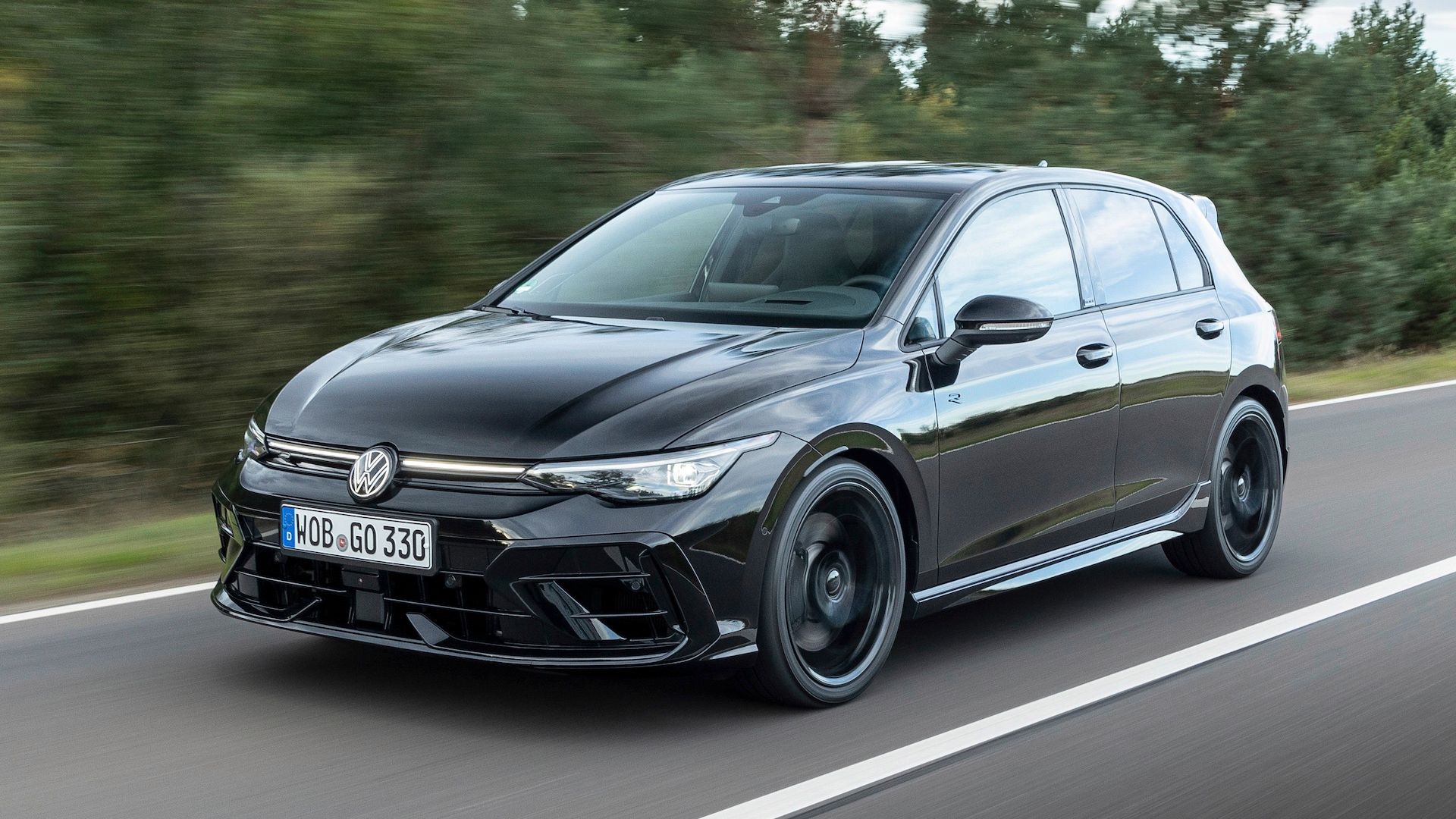
The Volkswagen Virtus stands out as a dynamic compact sedan engineered for drivers who prioritize handling precision and cabin room over crossovers. Replacing older badge-engineered models in multiple global markets, this sedan combines sharp European styling with practical everyday usability. If you're weighing whether this model fits your garage, you need clear facts about its engine options, dimensions, and everyday comfort metrics.
Underneath its sculpted sheet metal, the vehicle offers two distinct turbocharged petrol configurations: a nimble 1.0-liter TSI three-cylinder and a high-performance 1.5-liter TSI EVO four-cylinder. Measuring 4,561 mm in length with a generous 2,651 mm wheelbase, it maximizes interior volume while maintaining a planted stance on the highway.
Engine Options and Powertrain Performance
Choosing the right powertrain defines your driving experience behind the wheel. Volkswagen splits the lineup into two distinct mechanical personalities that cater to efficiency seekers and enthusiasts alike.
The entry and mid-tier trims utilize a 1.0-liter TSI three-cylinder motor. This compact unit pushes 115 PS of power and 178 Nm of torque, channeled through either a six-speed manual gearbox or a six-speed automatic. It delivers strong low-end pull for city commuting while keeping fuel consumption remarkably low on long highway stretches.
For a sportier drive, the GT trims upgrade to the 1.5-liter TSI EVO engine featuring Active Cylinder Technology (ACT). This system shuts down two cylinders under light loads to conserve fuel, yet wakes them instantly when you demand power. It outputs 150 PS and 250 Nm of torque, paired exclusively with a quick-shifting seven-speed dual-clutch DSG automatic transmission.
- 1.0L TSI: 115 PS power, 178 Nm torque, available with 6-speed manual or automatic.
- 1.5L TSI EVO: 150 PS power, 250 Nm torque, features cylinder deactivation and 7-speed DSG.
- Fuel Tank Capacity: 45 liters across all variants.
- Suspension Setup: MacPherson strut front architecture with a stabilizer bar for balanced cornering.
Exterior Styling and Physical Dimensions
The exterior proportions give the car a true mid-size presence despite its compact classification. Sharp character lines run cleanly from the front fenders into the split LED tail lamps, creating a cohesive visual width.
Ground clearance measures an unladen 179 mm, which drops to 145 mm when fully loaded. This clearance helps clear rough tarmac and speed breakers without scraping the underbody. Higher trims add striking cosmetic touches like blacked-out alloy wheels, contrasting roof treatments, and signature GT badging.
- Length: 4,561 mm
- Width: 1,752 mm
- Height: 1,507 mm
- Boot Space: 521 liters of dedicated cargo capacity
Interior Comfort and Technology Features
Stepping inside reveals a driver-focused cockpit centered around digital integration. A high-resolution touchscreen infotainment system anchors the dashboard, supporting wireless smartphone mirroring via Apple CarPlay and Android Auto.
Cabin comfort gets a major boost in top variants through front ventilated leatherette seats, automatic climate control, and an ambient lighting package. Rear passengers enjoy dedicated air conditioning vents and adjustable headrests, while the cavernous 521-liter boot swallows luggage for extended road trips with ease.
- Infotainment: 10-inch touchscreen unit with crisp graphics.
- Instrument Cluster: Customizable digital driver display.
- Convenience: Push-button start, wireless charging pad, and rain-sensing wipers.
- Seating: Split-folding 60:40 rear seats for expanding cargo versatility.
Safety Equipment and Crash Protection
Safety remains a core pillar of the platform architecture, drawing strong ratings from independent crash testing protocols. Standard equipment across variants includes multiple airbags, electronic stability control (ESC), anti-lock braking systems (ABS), and rear parking sensors.
Upgrading to higher trims introduces hill hold control, a tire pressure monitoring system (TPMS), and rear-view camera guidance. ISOFIX child seat anchor points come fitted as standard on the rear bench to secure family occupants properly.
Common Owner Complaints and Real-World Trade-offs
Every vehicle involves compromises, and real-world ownership highlights a few areas where the model falls short of perfection.
- Interior Plastics: While the upper dashboard layout looks premium, some lower cabin door panels rely on hard plastics that scratch easily.
- Stiff Low-Speed Ride: The European-tuned suspension favors high-speed stability, meaning sharp urban potholes transmit more sharply into the cabin than soft-sprung rivals.
- Rear Headroom: The sloping roofline looks stylish, but taller adult passengers in the back seat might brush their hair against the ceiling on bumpy roads.
For official specifications and localized dealership availability, you can consult Volkswagen Official or read detailed reviews on platforms like CarDekho.
Frequently Asked Questions
What is the boot capacity of the Volkswagen Virtus?
The car features a massive 521-liter trunk capacity, making it one of the most practical options in its class for hauling large suitcases and gear.
Does the 1.5L engine come with a manual transmission?
No, the 1.5-liter TSI EVO engine pairs exclusively with a seven-speed dual-clutch DSG automatic transmission, while the manual gearbox is reserved for the 1.0-liter variant.
Is the ground clearance adequate for rough roads?
With an unladen ground clearance of 179 mm, it clears typical speed breakers and rough patches safely, though heavily loaded trips reduce this clearance to 145 mm.
Does it support wireless smartphone connectivity?
Yes, the infotainment system supports wireless Apple CarPlay and Android Auto on higher trims, letting you mirror navigation and music apps without plugging in cables.



