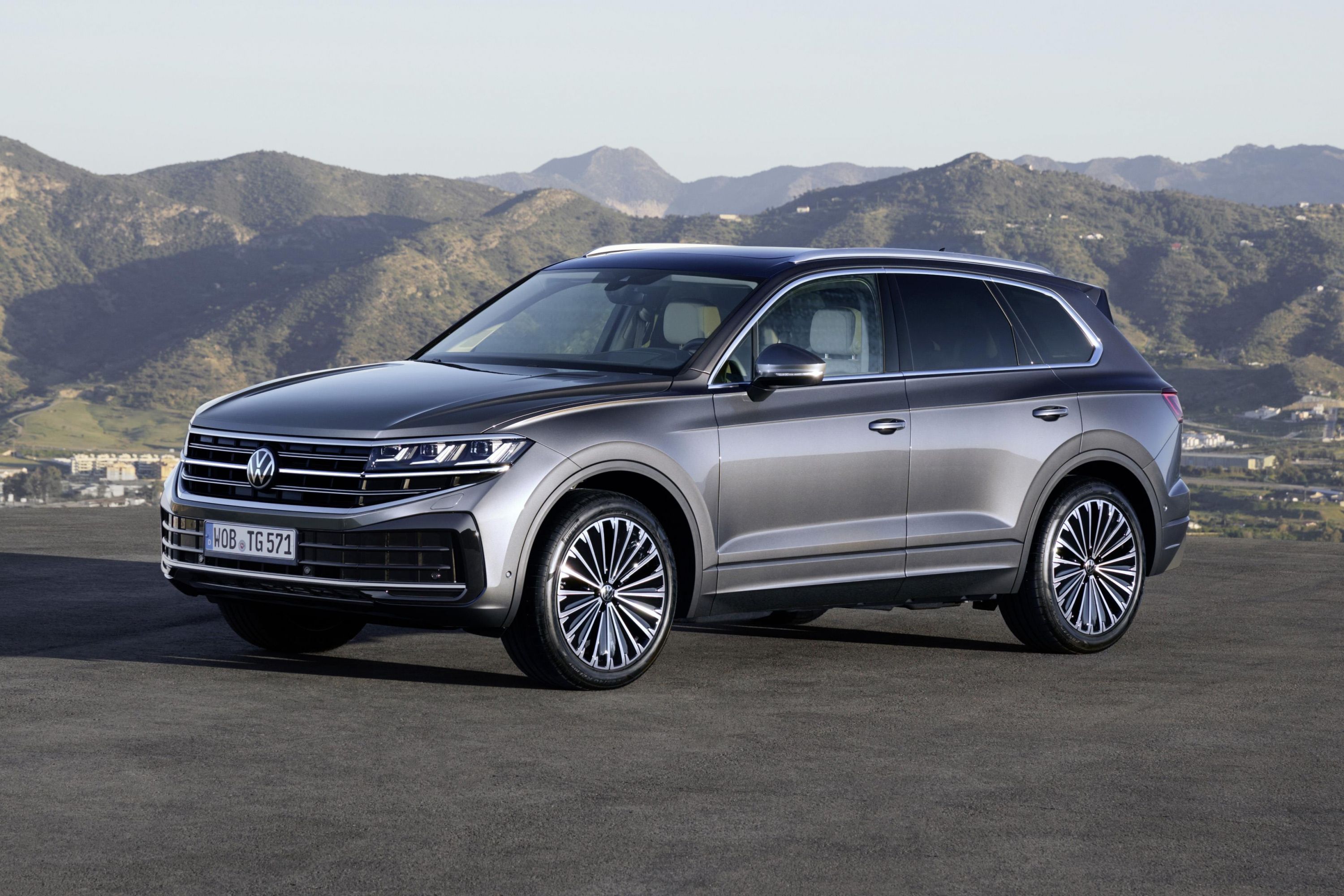
Traditional auto loans are losing ground as captive lenders pivot toward bundled use models and green financing. Volkswagen Financial Services is reshaping its core portfolio by replacing standard vehicle ownership structures with leasing contracts, subscription products, and green bonds. This shift reflects a wider industry movement away from selling isolated metal and toward servicing continuous, lower-emission transit needs.
Car buyers and corporate fleet managers face a changing financing landscape. Understanding how captive automotive finance companies adapt to environmental regulations helps consumers and businesses choose cost-effective funding models that align with modern ecological mandates.
The Decline of Traditional Auto Loans
For decades, standard conditional sale agreements and balloon loans formed the backbone of vehicle acquisition. Consumers borrowed capital, paid interest over a fixed term, and assumed the full depreciation risk of an internal combustion engine vehicle. This model treats cars as durable consumer goods with predictable end-of-life residual values.
The rise of electric vehicles disrupts traditional depreciation curves. Rapid battery technology advancements and shifting regulatory pressures make older petrol vehicle resale values volatile. Traditional lending leaves financial institutions exposed to asset devaluation risks if secondary markets reject high-emission cars. Captive lenders now find standard credit contracts insufficient for steering buyers toward clean-fleet adoption.
Transitioning to Leasing and Usage Models
Leasing structures provide a flexible alternative that keeps vehicle ownership in the hands of the financial provider. By shifting focus from vehicle purchase loans to operational leasing, lenders retain control over the asset lifecycle. This control allows institutions to ensure proper battery recycling and facilitate secondary market entry for used electric vehicles.
- Operational Leasing: Businesses acquire fleets without tying up capital reserves, shifting maintenance and residual risks to the provider.
- Flexible Subscriptions: Consumers access vehicles on demand, combining insurance, maintenance, and taxes into a single monthly fee.
- Corporate Bike-Leasing: Companies offer subsidized cycling programs to employees as part of broader green commuting incentives.
These models lower the barrier to entry for clean tech. Users test electric vehicles without worrying about long-term depreciation or obsolescence risks.
Green Refinancing and Capital Allocation
Supporting large-scale fleet electrification requires massive capital inflows. Automotive financiers fund this transition through dedicated debt instruments, including green bonds. These financial instruments tie capital directly to low-emission asset portfolios, attracting institutional investors with strict environmental criteria.
Lowering the carbon intensity of financed portfolios requires measurable milestones. Major automotive finance groups target significant reductions in portfolio emissions over fixed timelines. By tying funding costs to environmental performance, lenders incentivize green investments across their dealer networks and consumer bases.
Practical Challenges in Adoption
Shifting away from legacy financing structures creates friction for retail customers and regional dealerships. Dealership staff trained in selling traditional loans must adapt to explaining total cost of ownership, charging infrastructure access, and mileage-based leasing caps.
Consumers often hesitate due to range anxiety and complex contract terms. Clear communication regarding maintenance packages and end-of-lease options helps bridge this gap. Corporate fleets face accounting shifts, moving vehicles from balance-sheet assets to operational expense structures under modern lease accounting standards.
Frequently Asked Questions
How does green leasing differ from standard auto financing?
Standard financing transfers ownership to the buyer via a loan, while leasing grants temporary operational use. Green leasing specifically bundles electric or low-emission vehicles, often including bundled maintenance and certified green energy advisory services.
What happens to the vehicle at the end of a sustainable lease contract?
The finance provider takes the vehicle back, evaluates battery health, and routes it into the certified pre-owned market or sends it for closed-loop component recycling.
Why are traditional loans decreasing in popularity for electric vehicles?
Rapid technological changes make future resale values unpredictable. Lenders and buyers prefer leasing models to insulate themselves against sudden drops in secondary market values.
Can small businesses access sustainable fleet financing?
Yes, captive providers offer modular corporate packages that scale from a few urban delivery vans to extensive multi-site commercial fleets.



