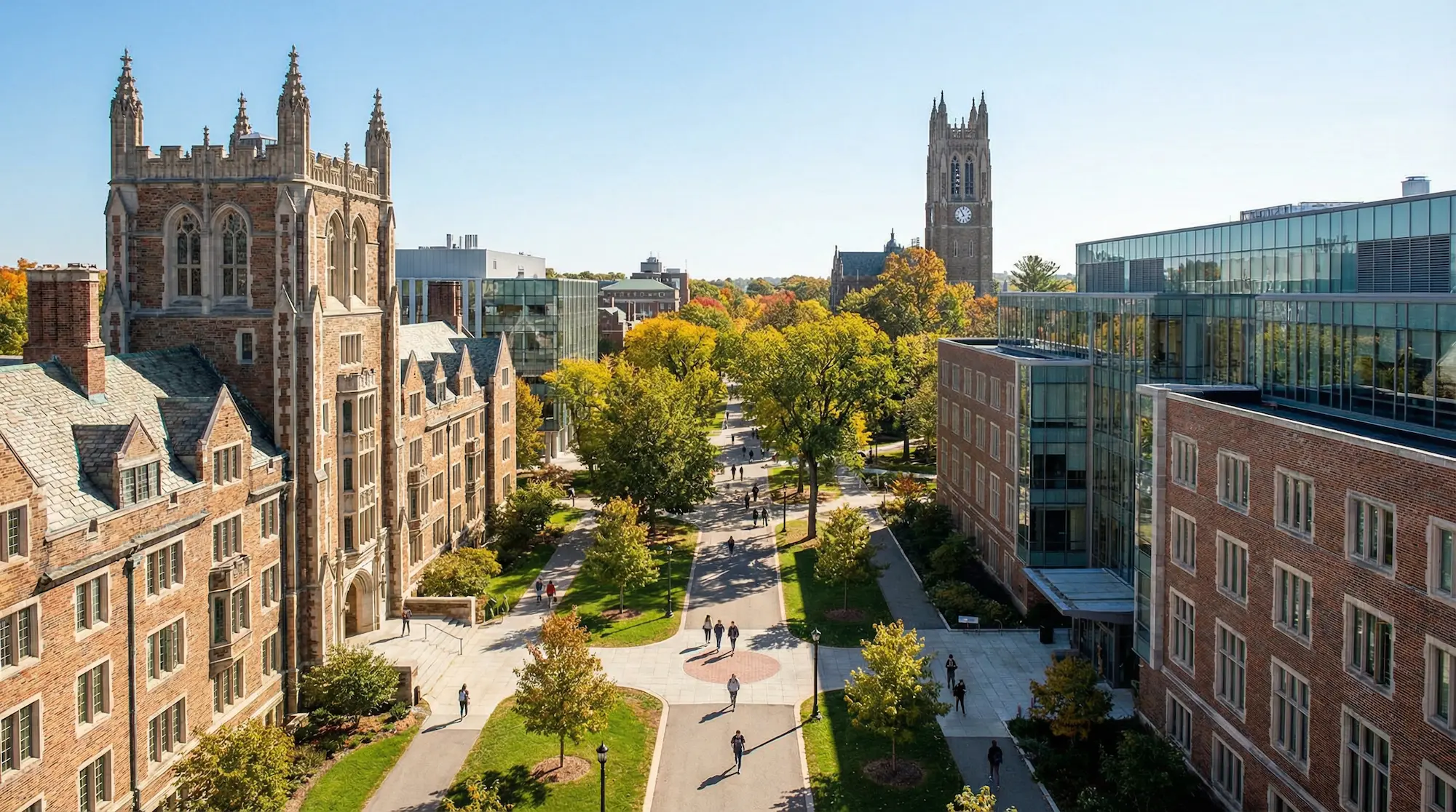
University campuses operate like dense micro-cities, facing severe congestion, high carbon emissions, and strict parking constraints. Traditional internal combustion engine transit models no longer work for modern student populations. Volkswagen is tackling this challenge head-on by restructuring how large academic institutions handle localized transit, deploying battery-electric vans, proprietary fleet management software, and localized charging ecosystems.
Understanding this transformation requires looking past standard corporate announcements. Implementing a successful campus mobility framework involves navigating grid limitations, software integration hurdles, and vehicle range constraints. This guide breaks down how Volkswagen's mobility initiatives function in practice, what infrastructure they require, and how universities deploy these systems.
The Core Components of Volkswagen's Campus Mobility Model
Volkswagen's strategy shifts campuses away from fossil-fuel shuttle buses and fragmented student vehicles toward centralized, software-driven electric fleets. The model rests on three primary operational pillars: vehicle deployment, digital management platforms, and dedicated charging setups.
At the hardware level, universities typically replace aging diesel shuttles with electric utility vehicles, often utilizing adaptations of the ID. Buzz platform. These vehicles seat roughly twelve passengers, feature low-floor entry for accessibility, and provide a real-world operating range of about 200 kilometers per charge. This capacity suits dense campus environments where transit loops average two to five miles per rotation.
Beyond passenger vans, the initiative incorporates light electric micro-mobility options like specialized e-scooters and compact urban pods. These units fill the "last-mile" gap for students traveling from peripheral parking lots or campus residence halls to remote lecture buildings.
Navigating the Charging Infrastructure Bottleneck
Installing an electric vehicle fleet sounds straightforward on paper, but the physical infrastructure demands heavy planning. Volkswagen's campus shuttle deployments require robust power delivery, typically demanding a minimum of four 50kW DC fast chargers distributed strategically across university grounds.
Facilities departments frequently encounter severe electrical constraints during setup. Many older campus electrical grids cannot support multiple fast chargers without major panel upgrades. For example, a university adding four high-output chargers may find its local substation overloaded, requiring a phased rollout or a dedicated grid tie-in.
- Power Audits: Conduct a comprehensive electrical load study before signing any vehicle supply agreements.
- Phased Installation: Deploy initial Level 2 chargers for overnight fleet top-offs while negotiating grid expansions for DC fast-charging hubs.
- Micro-Grid Integration: Pair campus chargers with localized battery storage or campus solar arrays to offset peak demand utility fees.
You can explore broader corporate sustainability frameworks directly through the Volkswagen Group Sustainability Initiatives.
Software Integration and Data Privacy Challenges
Managing a shared campus fleet requires advanced software to handle routing, maintenance schedules, and user access. Volkswagen utilizes proprietary fleet software solutions to coordinate vehicle dispatch. However, connecting corporate software to a university ecosystem introduces friction.
Campus IT departments enforce strict data privacy policies regarding student and faculty tracking. Connecting external fleet platforms to existing campus authentication databases often triggers security reviews. Universities frequently need to build custom middleware layers or API bridges to strip personally identifiable information before transit data moves between systems.
When evaluating fleet software, verify whether the system supports single sign-on (SSO) protocols used by higher education institutions. If the platform lacks native compatibility, expect development delays while custom integration scripts are written and tested.
Common Implementation Mistakes to Avoid
Universities adopting new mobility frameworks often stumble over predictable operational traps. Avoiding these missteps saves months of administrative delays and budget overruns.
- Underestimating Geographic Spread: Assuming a uniform fleet works across all campuses. A compact, pedestrian-only campus requires entirely different vehicle counts and ranges than a sprawling campus split by public highways.
- Ignoring Maintenance Training: Relying solely on external dealer support for routine electric vehicle maintenance. Internal facilities teams need specialized high-voltage safety training to service electric motors and onboard battery management systems.
- Neglecting Equity of Access: Designing micro-mobility programs that only serve central campus zones while ignoring accessible transit options for students with mobility impairments.
For additional context on how major automotive brands approach e-mobility transitions, review the resources provided by Volkswagen Ireland E-Mobility Tools.
Frequently Asked Questions
What is the typical driving range of a Volkswagen campus electric shuttle?
Modified electric shuttle configurations achieve an average real-world range of approximately 200 kilometers on a single charge. Actual performance varies based on seasonal temperatures, vehicle load, and frequent stop-and-go campus routing.
Can existing campus parking lots support fast chargers?
Most surface lots lack the necessary high-voltage underground cabling required for 50kW DC fast chargers. Upgrading a lot usually requires trenching, new transformers, and coordination with local electric utilities.
How do students access the electric fleet vehicles?
Access is typically managed through a mobile application integrated with student credentials, allowing users to book shared rides, unlock micro-mobility units, or view real-time shuttle arrival times.
Do these mobility programs eliminate the need for campus parking permits?
They reduce the demand for internal combustion vehicle parking by providing viable alternatives, but universities generally maintain parking structures for commuters while restricting cars within core pedestrian zones.



