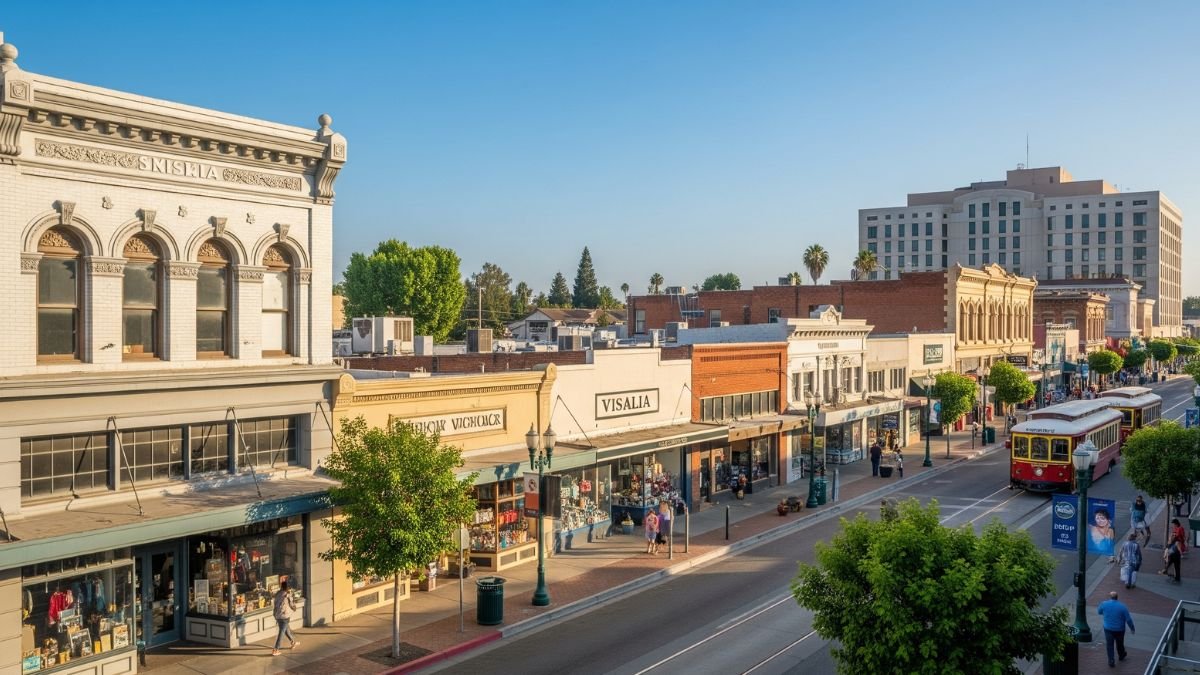
Finding an affordable foothold in California feels impossible for most buyers. Major coastal hubs demand million-dollar entry points, pushing families inland in search of breathing room. Nestled in the heart of the San Joaquin Valley, Visalia offers a compelling alternative. It combines central California convenience with real estate prices that remain grounded compared to Los Angeles or San Francisco.
The local housing market features a median home value hovering around $396,000, making it significantly cheaper than coastal metros while maintaining steady growth. Buyers find tree-lined streets, historic charm, and modern master-planned communities without facing hyper-competitive coastal bidding wars. If you're weighing a move to the Central Valley, understanding the distinct neighborhoods, hidden market costs, and everyday logistics will help you decide if this agricultural hub fits your future.
Understanding the Visalia Housing Market
Visalia operates as the economic and governmental anchor of Tulare County. Unlike smaller surrounding agricultural towns, it features a population topping 145,000, providing a balance of urban amenities and small-town accessibility. Real estate here moves at a moderate pace, with typical homes spending about 22 to 36 days on the market before pending status.
Inventory fluctuates seasonally, but buyers routinely find single-family detached houses ranging from compact 1,200-square-foot properties to sprawling executive lots. While roughly a third of homes sell above list price during peak months, many properties close right at or slightly below asking value, giving buyers room to negotiate.
Property taxes and local assessments require careful calculation. California's Proposition 13 limits base property tax rates to roughly 1% of assessed value, but special Mello-Roos or local bond assessments often apply in newer master-planned developments on the city's expanding edges. Factor these district fees into your monthly budget before making an offer.
Key Neighborhoods to Explore
Choosing the right pocket of Visalia depends on whether you prefer historic character or brand-new construction with community parks.
Downtown and the Historic District
If you love mature shade trees, Craftsman bungalows, and early-to-mid-century architecture, look near the center of town. Homes here place you within walking distance of Main Street's restaurants, local coffee shops, and community events. Properties often feature unique architectural details and established yards, though older plumbing and electrical updates should be inspected closely during your due diligence period.
the North Side
North Visalia and areas stretching toward Highway 198 feature many of the city's newer subdivisions. You'll find contemporary floor plans, multi-car garages, and energy-efficient building materials. These neighborhoods attract families looking for modern suburban conveniences, neighborhood parks, and close proximity to major retail centers and medical facilities.
El Diamante and West Visalia
The western corridors near El Diamante High School are popular for their quiet residential feel and accessible commuting routes. Housing stock here spans comfortable mid-sized single-family homes built in the 1990s and 2000s. Streets are wide, and local schools draw steady family interest.
Cost of Living Realities Beyond the Mortgage
Buying a home is only part of the financial equation. Visalia's overall cost of living sits very close to the national average, making it an economical choice by California standards. Groceries and everyday goods align closely with national baselines, though utility costs—particularly summer cooling bills during intense Central Valley heatwaves—can spike your monthly overhead.
Transportation expenses also warrant attention. Because Visalia functions as a regional hub, most residents rely heavily on cars to commute or run daily errands. Public transit exists, but the layout favors driving. Commuters working locally enjoy short drive times, but those traveling toward Fresno or Hanford should map out morning traffic patterns across rural highways.
Common Homebuying Mistakes to Avoid
Navigating a new regional market opens the door to missteps that can cost you time and money. Keep these pitfalls in mind:
- Underestimating summer utility demands: Central Valley summers push temperatures well past triple digits. Older homes without updated insulation or modern HVAC units will rack up massive electricity bills trying to keep indoor spaces comfortable.
- Ignoring agricultural adjacencies: Visalia is surrounded by active farmland. If you purchase on the immediate outskirts of town, expect seasonal orchard spraying, harvesting dust, and early-morning farm equipment traffic.
- Skipping flood disclosures: Certain pockets of the valley carry moderate flood risks during heavy winter precipitation years. Always review natural hazard disclosure reports thoroughly.
- Overlooking homeowners association rules: Master-planned communities on the north and west sides often carry HOA fees and strict architectural guidelines regarding landscaping and street parking.
Step-by-Step Approach to Buying in Visalia
- Secure pre-approval with a local lender: Work with mortgage professionals who understand Central Valley property types, special district taxes, and regional appraisal quirks.
- Monitor inventory across multiple zip codes: Track listings in 93277, 93291, and 93292 to compare pricing per square foot across different sectors of the city.
- Conduct specialized inspections: Beyond standard structural checks, hire local inspectors familiar with regional soil conditions, termite activity, and irrigation drainage.
- Review local development plans: Check city planning maps if you are buying near open land to ensure your views won't be replaced by high-density commercial construction next year.
Frequently Asked Questions
How does Visalia's housing market compare to Fresno?
Visalia generally offers a slightly more relaxed pace and a distinct small-city identity compared to its larger neighbor to the north, Fresno. While home prices in both cities remain below coastal California standards, Visalia features tight-knit community pockets and rapid access to outdoor recreation in the nearby Sierra Nevada foothills.
Is Visalia a good place to commute from for remote workers?
Yes. Many buyers choose Visalia to secure larger square footage and yards for prices that would only buy a small condominium in major tech hubs. Reliable high-speed internet is widely available across modern neighborhoods, making remote work entirely feasible.
What is the climate like year-round?
Visalia experiences a Mediterranean climate with hot, dry summers and mild, wet winters. Spring and fall bring exceptionally pleasant weather, while summer months require heavy reliance on air conditioning.
How close is Visalia to outdoor recreation?
One of Visalia's greatest selling points is its proximity to nature. It serves as a primary gateway to Sequoia and Kings Canyon National Parks, putting majestic mountain landscapes, giant sequoias, and hiking trails within a short weekend drive. You can also explore local community resources through the City of Visalia Official Website.


