Virginia's present day identity is defined by a constant balancing act between deep colonial roots and high-tech economic expansion. From the digital corridors of Northern Virginia to the maritime juggernaut of Hampton Roads, the commonwealth operates as an engine of commerce and a repository of American history. Understanding this dynamic landscape requires looking past the standard tourist brochures to examine how policy, technology, and geography intersect today.
The state's economy no longer relies solely on federal defense contracts and agriculture. Instead, modern Virginia anchors itself in data infrastructure, aerospace development, and higher education research partnerships. At the same time, communities across the Shenandoah Valley and Southwest Virginia manage the delicate task of preserving historical heritage while modernizing infrastructure for a growing population.
The Technological and Economic Shift
Northern Virginia houses what experts often call Data Center Alley, processing a massive share of global internet traffic. This digital transformation reshaped local tax bases, real estate markets, and energy demands. Dominion Energy and other regional utilities face intense pressure to supply consistent power to these server farms while integrating renewable generation sources like solar and offshore wind.
Beyond data centers, the state's economy diversifies through aerospace and biotechnology ventures. The Mid-Atlantic Regional Spaceport on Wallops Island handles commercial launches, while biotech clusters near Richmond and Charlottesville leverage university talent to spin out medical technology firms.
- Digital Infrastructure: Loudoun and Fairfax counties generate substantial tech revenue through cloud computing hubs.
- Logistics and Trade: The Port of Virginia in Hampton Roads functions as an East Coast mega-terminal, handling automated container movement and deep-water shipping.
- Defense and Cybersecurity: Proximity to Washington, D.C. continues to draw defense contractors, military headquarters, and specialized cybersecurity firms to Hampton Roads and Northern Virginia.
Balancing Heritage Tourism and Urban Density
Preserving historical landmarks while accommodating urban sprawl creates unique zoning and political challenges. Cities like Richmond, Norfolk, and Roanoke invest heavily in downtown revitalization projects, converting old tobacco warehouses and industrial waterfronts into mixed-use residential spaces.
Tourism remains a multi-billion-dollar sector, drawing millions to Colonial Williamsburg, Jamestown, and Shenandoah National Park. However, local tourism boards now market more than just revolutionary war sites. Agritourism, craft beverage trails, and outdoor recreation in the Blue Ridge Mountains attract travelers seeking diverse experiences.
Infrastructure and Environmental Resilience
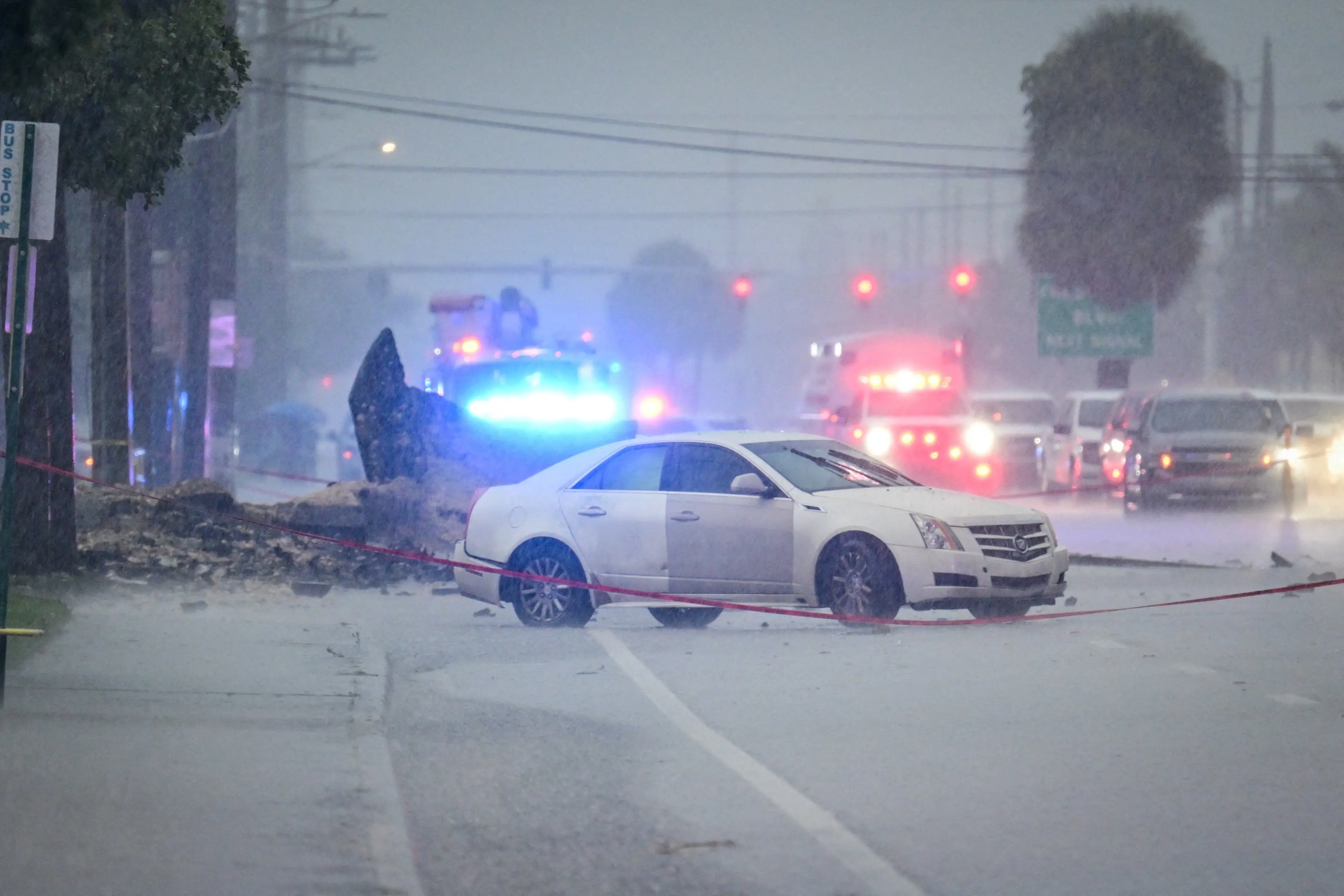
Rising sea levels and recurring flooding pose existential threats to coastal communities, particularly in Hampton Roads and the Eastern Shore. The commonwealth established specific funding mechanisms, such as the Community Flood Preparedness Fund, to help local governments upgrade storm-water systems and elevate vulnerable roadways.
Transportation corridors also demand constant adaptation. The expansion of the Interstate 66 and Interstate 95 express lanes through public-private partnerships attempts to ease notorious commuter bottlenecks, though debates over toll pricing and public transit funding remain contentious among residents.
Frequently Asked Questions
What are Virginia's primary economic drivers today?
The modern economy depends heavily on technology infrastructure (such as data centers), federal defense spending, the Port of Virginia logistics network, agriculture, and a growing tourism sector.
How is Virginia addressing coastal flooding and climate challenges?
State and local agencies coordinate through initiatives like the Community Flood Preparedness Fund to finance resilience projects, shoreline restoration, and upgraded storm-water management infrastructure.
Why are data centers concentrated in Northern Virginia?
Proximity to early internet backbone nodes, reliable power access, and favorable local tax policies initially drew tech companies to Loudoun County, creating a specialized ecosystem that continues to expand rapidly.
How does the state balance historic preservation with new development?
Local historic preservation commissions work alongside urban planners to enforce strict zoning overlays in historic districts, ensuring that new commercial and residential builds complement existing architectural heritage.