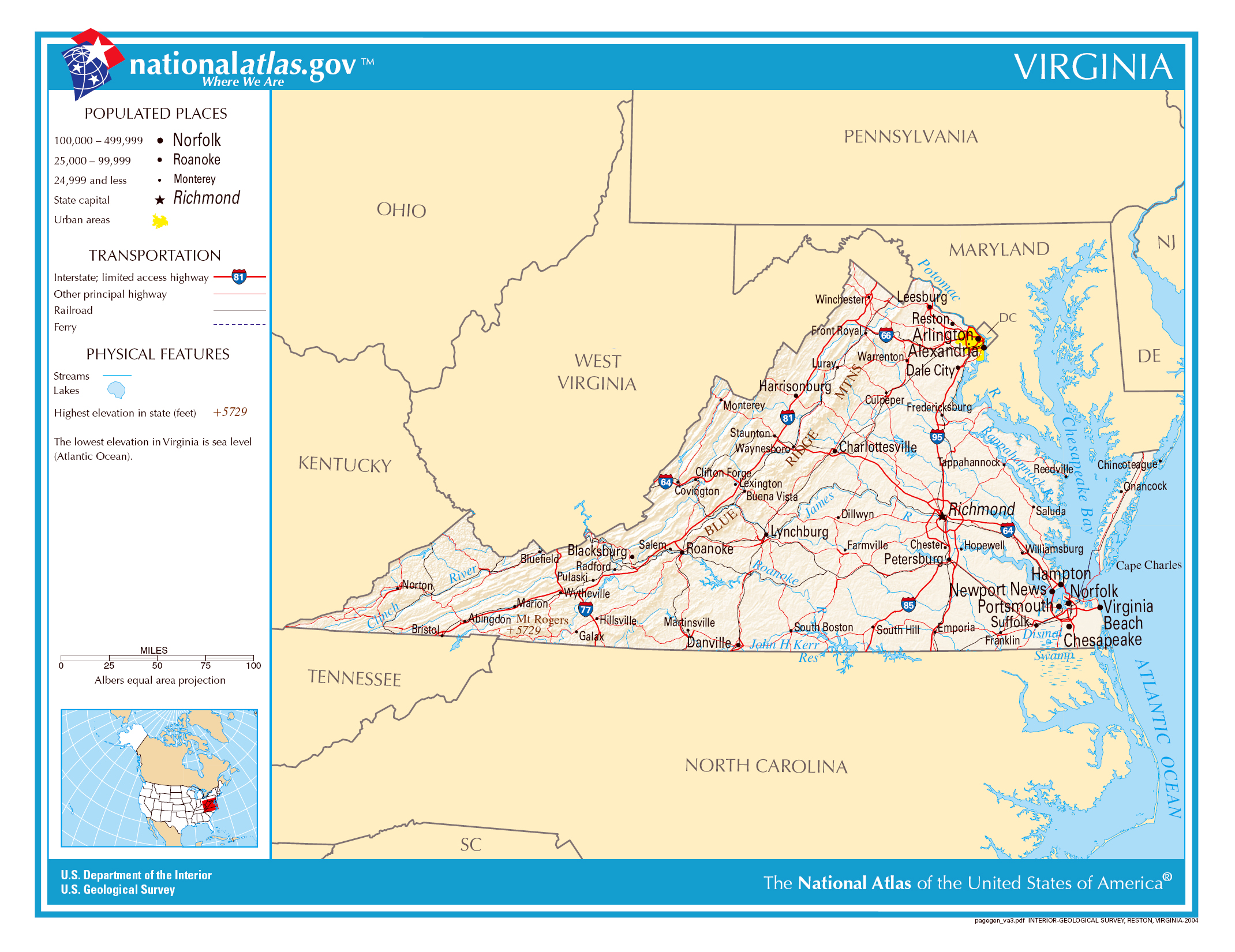
Virginia operates on Eastern Time, shifting between Eastern Standard Time (EST) and Eastern Daylight Time (EDT) throughout the year. Managing this schedule requires understanding precise transition dates, federal guidelines, and how time changes affect daily logistics, technology systems, and business operations across the commonwealth.
Failing to sync clocks correctly can break automated scripts, disrupt remote meetings, and cause missed travel connections. This guide covers the exact mechanics of Virginia's time zone rules, how to manage the bi-annual clock shifts, and practical steps to keep your schedule accurate.
The Mechanics of Virginia Time: EST vs EDT
Virginia spans a single time zone governed by the U.S. Department of Transportation under federal standards. The state switches twice a year between standard and daylight saving time.
- Eastern Standard Time (EST): Operating at UTC-5, EST runs from early November to mid-March. During these winter months, days are shorter and sunsets occur earlier across the state.
- Eastern Daylight Time (EDT): Operating at UTC-4, EDT runs from mid-March to early November. Clocks move forward one hour, shifting daylight into the evening hours.
The transition dates follow federal law set by the Energy Policy Act of 2005:
- Spring Forward: On the second Sunday in March at 2:00 AM local time, clocks jump forward to 3:00 AM EDT.
- Fall Back: On the first Sunday in November at 2:00 AM local time, clocks drop back to 1:00 AM EST.
Most consumer devices handle these updates automatically via network time protocols. However, industrial controllers, manual watches, and legacy servers require direct oversight.
Practical Impacts on Business and Technology
Virginia houses major data centers, government agencies, and corporate headquarters. Precise time synchronization is critical for database integrity, log analysis, and financial transactions.
A single hour discrepancy during a transition weekend can cause severe data tracking errors. For example, database logs recorded during the "fall back" repeat the 1:00 AM to 2:00 AM hour. Systems without proper timezone awareness might overwrite logs or misinterpret transaction sequences.
- Server Configuration: Network administrators must configure servers to use Coordinated Universal Time (UTC) internally, applying local EST/EDT offsets only at the presentation layer.
- Logistics and Shipping: Warehouses and distribution hubs in regions like Richmond or Hampton Roads must adjust shipping manifests when communicating with partners in non-observing or different time zones.
- Remote Work: Teams coordinating with Pacific or Central time zones need to recalculate meeting slots during the transition weeks, as Europe and North America often switch daylight saving time on different weekends.
Common Mistakes During Time Changes
Managing seasonal time shifts seems straightforward, but small oversights lead to scheduling friction.
- Assuming all devices update: Smart home devices, older security cameras, and analog-digital hybrid clocks often fail to update automatically, leading to missed appointments.
- Ignoring international offsets: If you work with clients in Europe, remember that European Summer Time ends on a different weekend than U.S. Daylight Saving Time, creating a temporary one-week shift in time gaps.
- Forgetting manual backups: Relying entirely on automatic network time without verifying sync status can leave critical machinery operating out of sync.
Frequently Asked Questions
Does Virginia observe Daylight Saving Time?
Yes, Virginia follows federal rules and observes Daylight Saving Time from March to November. The state has not enacted legislation to opt out.
What UTC offset does Virginia use in the winter?
Virginia uses UTC-5 during Eastern Standard Time, which runs from November through March.
How do I ensure my computer updates automatically?
Check your operating system settings to ensure "Set time zone automatically" and "Adjust for daylight saving time automatically" are enabled. Connecting to a reliable Network Time Protocol (NTP) server keeps your clock accurate.
Does Virginia have more than one time zone?
No, the entire state of Virginia lies within the Eastern Time Zone, ensuring uniform scheduling across all independent cities and counties.



