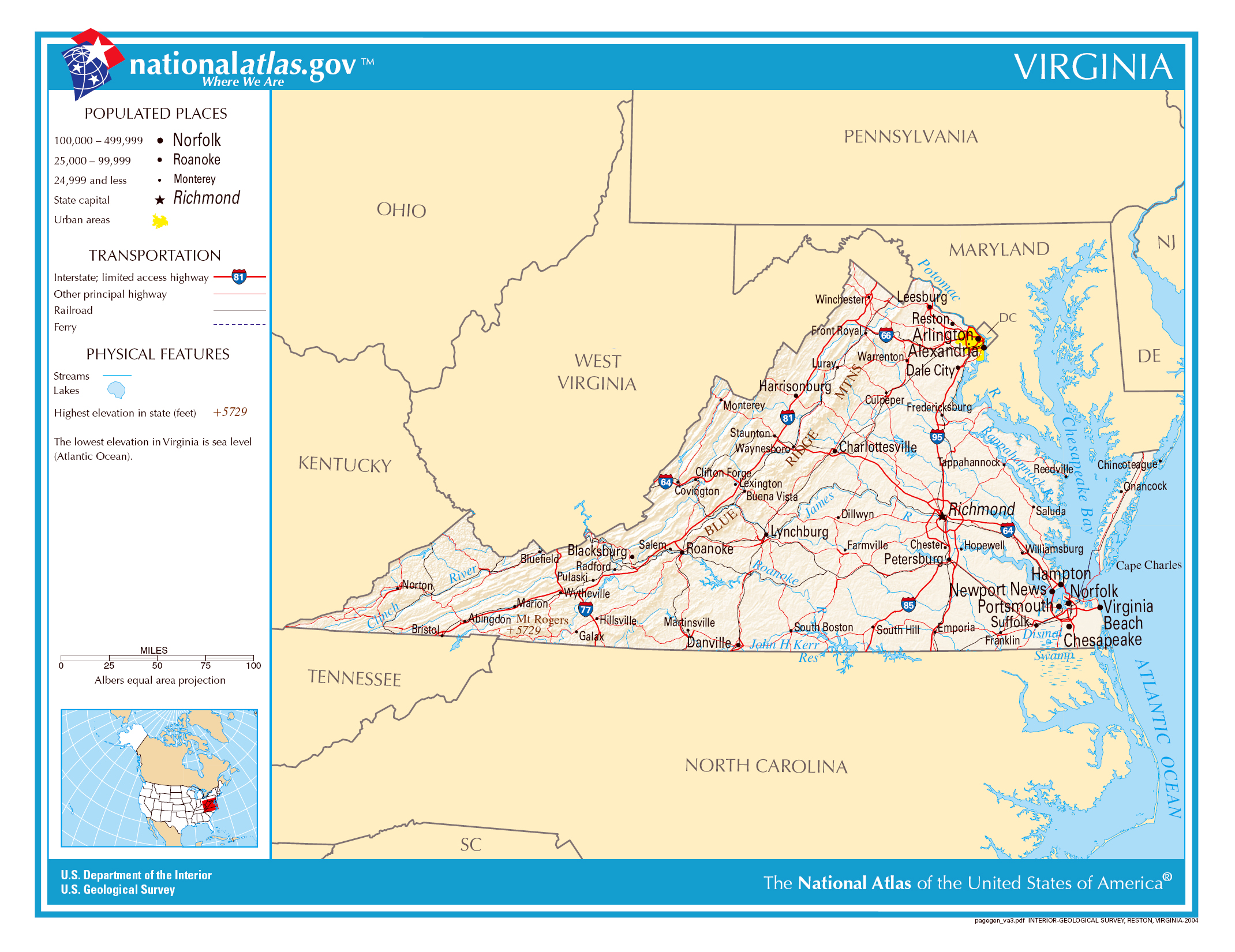
Virginia operates entirely within the Eastern Time Zone, aligning with major East Coast population hubs like New York and Washington, D.C. Depending on the time of year, the commonwealth observes either Eastern Standard Time (EST) or Eastern Daylight Time (EDT).
Navigating local schedules across the state requires understanding how these seasonal shifts work. Because the entire state shares a single time zone designation, you don't need to worry about internal border discrepancies when traveling from Virginia Beach to Bristol.
Eastern Standard Time vs Eastern Daylight Time
The commonwealth shifts its clocks twice a year. These adjustments dictate standard business hours, transit schedules, and television broadcasts across the region.
- Eastern Standard Time (EST): Active from early November through mid-March, EST sets the state at UTC-5.
- Eastern Daylight Time (EDT): Active from mid-March through early November, EDT shifts the clocks forward one hour to UTC-4.
This seasonal transition follows federal guidelines established by the Uniform Time Act. Clocks move forward by one hour at 2:00 a.m. on the second Sunday in March. They fall back by one hour at 2:00 a.m. on the first Sunday in November. For official tracking details, you can consult the National Institute of Standards and Technology. More details on this are detailed by Associated Press.
Why Virginia Uses Eastern Time
Geographically, the commonwealth spans from the Atlantic coastline up to the Appalachian Mountains. Despite this breadth, every county and independent city falls under the Eastern Time umbrella. This uniformity simplifies commerce, governance, and telecommunications. Neighboring states like North Carolina, Maryland, and West Virginia share this exact offset, creating a seamless economic corridor along the mid-Atlantic region.
Historically, the adoption of standardized time zones in the United States replaced a fragmented system where every town set its own clocks based on local solar noon. Railway expansion forced uniform scheduling, and federal oversight later codified these zones into law.
Practical Impact for Travelers and Remote Workers
If you're scheduling meetings or traveling into the commonwealth, keeping tabs on the seasonal shift prevents missed connections.
- Business Coordination: Colleagues working across Pacific and Eastern zones face a three-hour time difference. That gap remains identical whether Virginia is on EST or EDT because both zones observe daylight saving changes simultaneously.
- Transit Schedules: Airports like Richmond International (RIC) and Norfolk International (ORF) operate strictly on local Virginia time. Flight itineraries automatically reflect whether EST or EDT is active on your day of travel.
For those tracking precise global coordinates or setting up automated digital systems, the official IANA time zone identifier for the region is America/New_York. You can review technical time zone definitions directly through IANA.
Frequently Asked Questions
Does any part of Virginia use Central Time?
No. Unlike neighboring states such as Kentucky and Tennessee—which split into multiple time zones—every single county and city in Virginia observes Eastern Time.
When do the clocks change in Virginia?
Clocks move forward on the second Sunday of March and move backward on the first Sunday of November. The transition always occurs at 2:00 a.m. local time to minimize disruption to late-night businesses and transit.
What is the time difference between Virginia and London?
During standard time (winter), Virginia is five hours behind Coordinated Universal Time (UTC-5), making London five hours ahead. During daylight saving time (summer), Virginia shifts to UTC-4, while the United Kingdom observes British Summer Time (UTC+1), making the difference five hours.
Has Virginia ever considered staying on Daylight Saving Time year-round?
State legislators have periodically discussed legislation regarding permanent daylight saving time, mirroring broader national debates around measures like the Sunshine Protection Act. However, federal law requires congressional approval before states can permanently adopt daylight saving time, so seasonal shifts remain mandatory.



