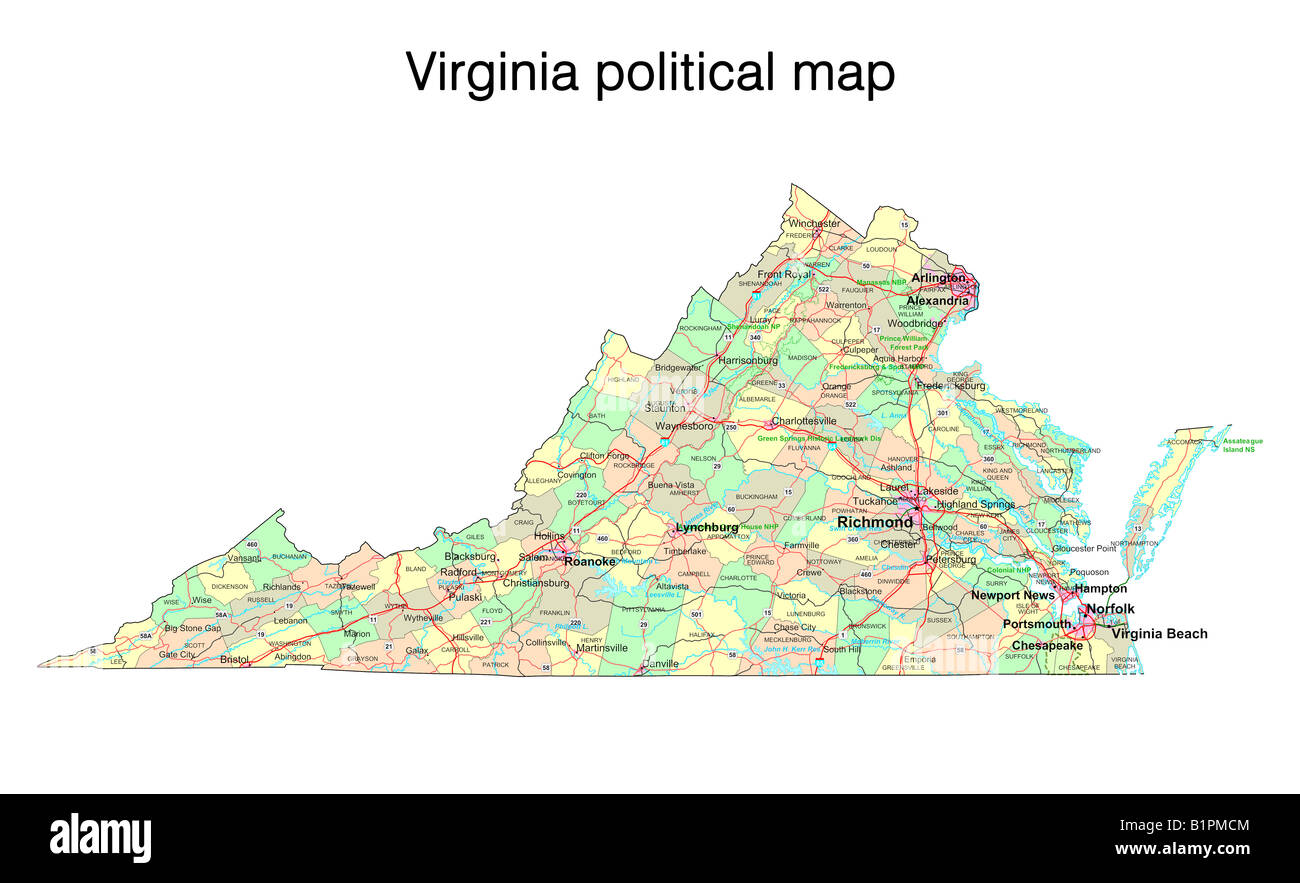
Understanding how time is organized across the Commonwealth of Virginia helps travelers, remote workers, and logistics planners avoid costly scheduling mistakes. While the vast majority of the state operates on the Eastern Time Zone, a small southwestern pocket observes the Central Time Zone, creating a geographic nuance that catches many visitors off guard.
If you're scheduling meetings, catching cross-state trains, or driving along the state's rugged southwestern border, knowing exactly where the time changes matters. Let's break down how Virginia splits its time zones, which specific localities are affected, and how federal regulations govern these boundaries.
The Time Zone Split: Eastern vs. Central in Virginia
The vast majority of Virginia—spanning from the coastal beaches of Virginia Beach up to the capital in Richmond and across the Shenandoah Valley—operates on the Eastern Time Zone. This means the state observes Eastern Standard Time (EST) during the winter months and Eastern Daylight Time (EDT) during the summer, following the standard US Daylight Saving Time schedule set by federal law.
However, a small fraction of the state's population lives in communities that operate on the Central Time Zone. This division isn't drawn arbitrarily; it is officially codified by the United States Department of Transportation to align local commerce and daily life with neighboring states like Tennessee and Kentucky. As reported in recent articles by Reuters, the implications are significant.
When you cross these invisible boundaries, your phone's automatic network time will usually update, but analog clocks and manual schedules require your direct attention. Missing this shift by an hour can easily mean missing a court appearance, a doctor's appointment, or a regional freight delivery.
Counties in the Central Time Zone
Only a few specific localities in southwestern Virginia operate on Central Time. If you're traveling through the following areas, set your clocks backward by one hour if you're coming from Roanoke, Lynchburg, or Northern Virginia:
- Lee County: Situated at the absolute southwestern tip of the state, bordering both Kentucky and Tennessee. Towns like Jonesville and Pennington Gap operate entirely on Central Time.
- Wise County: While much of Wise County and its county seat of Wise observe Eastern Time, certain western portions and specific localities near the Smyth and Scott county borders have historical and logistical ties to Central Time operations, though the primary boundary is heavily concentrated around Lee County and Dickenson County adjacencies.
- Dickenson County: Portions near the western edge bordering Kentucky share commercial and municipal rhythms aligned with Central Time zones, though official maps pinpoint the strict boundary primarily along the Lee County line and specific magisterial districts.
Checking local municipal websites or utility schedules before you arrive in the far southwestern tip of the state is always a smart move. Local businesses near the border are accustomed to managing dual-time operations, but out-of-town visitors frequently get tripped up.
Why the Border Exists: History and Logistics
Time zone boundaries aren't permanent fixtures carved in stone. They shift based on economic ties, transportation corridors, and petition processes handled by federal authorities.
Historically, the boundary between Eastern and Central time in this region was established to support commerce between isolated mountain communities and the industrial hubs of the Midwest and South. For residents in Lee County, doing business in nearby cities like Knoxville, Tennessee, or Middlesboro, Kentucky, makes sharing the Central Time Zone far more practical than coordinating with Richmond, which is hundreds of miles away across rugged terrain.
The Federal Register contains historical documentation and regulatory adjustments regarding boundary shifts across the United States. Changes require formal petitions from local governments, public comment periods, and thorough reviews by the Department of Transportation to ensure that school districts, emergency services, and transportation networks won't face insurmountable disruptions.
Practical Impact for Travelers and Remote Workers
Crossing into southwestern Virginia requires a bit of foresight. If you're road-tripping along US Route 58 or navigating the winding roads near the Cumberland Gap, your GPS app might handle the time zone transition seamlessly, but you shouldn't rely on technology alone.
Remote workers living in these border regions face unique challenges. Scheduling video calls with clients in Richmond or Washington, D.C., means remembering that your immediate neighbors might be an hour ahead of you depending on which side of the county line you're standing on.
- Double-check your calendar app settings to ensure your device isn't automatically jumping back and forth if you live near a boundary line.
- Confirm hotel checkout times and restaurant operating hours if you are staying right on the edge of the time zone split.
- Give yourself extra travel time when heading east toward Bristol or Roanoke to account for the hour you'll "lose" upon crossing the boundary.
Frequently Asked Questions
Does all of Virginia observe Daylight Saving Time?
Yes. Every part of Virginia, regardless of whether it falls into the Eastern or Central Time Zone, observes Daylight Saving Time. Clocks spring forward on the second Sunday in March and fall back on the first Sunday in November.
How can I tell if I've crossed into the Central Time Zone in Virginia?
Cellular towers near the Lee County and Tennessee-Kentucky borders usually trigger an automatic notification on smartphones indicating a time zone change. However, physical road signs and local business hours are your best physical indicators.
Why doesn't the entire state share a single time zone?
Time zones are regulated federally based on commerce, transportation patterns, and community alignment. Because southwestern Virginia has stronger economic and geographic ties to neighboring Tennessee and Kentucky than to coastal Virginia, keeping them on Central Time makes daily life easier for residents.
Are there any other states with split time zones like Virginia?
Several states feature time zone splits due to their geographic shape and economic alignments. Examples include neighboring Tennessee and Kentucky, as well as Florida, Michigan, Indiana, and Texas.



