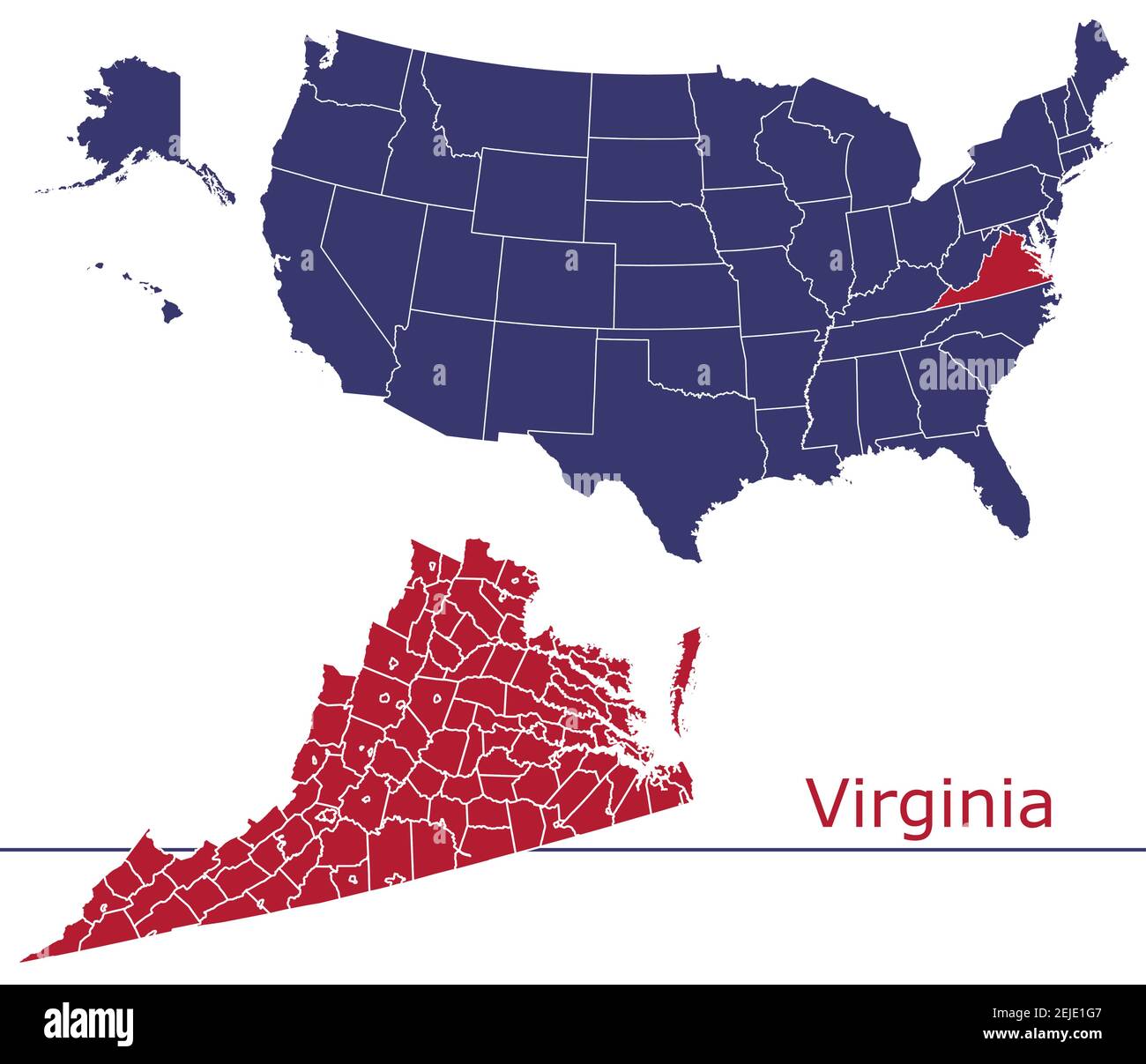
Virginia operates entirely within the Eastern Time Zone, making its schedule identical to major financial and political hubs like New York, Washington D.C., and Atlanta. Whether you're tracking business hours across state lines or coordinating travel to Richmond, understanding how the commonwealth manages its clock changes is essential for seamless scheduling.
The commonwealth observes two distinct offsets over the course of a year. From November to March, it runs on Eastern Standard Time (EST), which sits at UTC-5. From March to November, it shifts to Eastern Daylight Time (EDT) at UTC-4. This seasonal transition affects everything from morning commutes in Hampton Roads to financial markets operating in the Richmond financial district.
How Eastern Time Works in Virginia
Every county and independent city in Virginia shares the exact same time zone. Unlike states split down the middle by time zone boundaries, you won't need to adjust your watch when driving from the beaches of Virginia Beach to the coal fields of Southwest Virginia.
The exact offsets break down into two operational windows: As discussed in latest articles by Reuters, the results are worth noting.
- Eastern Standard Time (EST): Set at UTC-5, active during the late autumn and winter months.
- Eastern Daylight Time (EDT): Set at UTC-4, active during the spring and summer months to maximize evening sunlight.
Official timekeeping across the state complies with federal regulations supervised by the Department of Transportation, ensuring synchronization with the National Institute of Standards and Technology.
The Mechanics of Daylight Saving Time
Daylight Saving Time isn't optional for the commonwealth; it's anchored by federal guidelines originally reinforced by the Uniform Time Act. Virginia officially adopted synchronized daylight saving practices in 1970, aligning itself with national consistency.
The transition schedule follows a strict calendar formula:
- Spring Forward: On the second Sunday in March at 2:00 AM local time, clocks skip forward one hour, instantly shifting the region from UTC-5 to UTC-4.
- Fall Back: On the first Sunday in November at 2:00 AM local time, clocks turn backward one hour, returning the state to UTC-5.
This biannual shift alters sunrise and sunset times by an hour, creating brighter evenings in the summer and darker mornings in the winter.
Historical Context and Time Legislation
Standardized time zones haven't always existed in the form we recognize today. Before the late 19th century, towns across Virginia relied on "solar time," meaning midday was strictly determined by when the sun reached its highest point overhead in each specific municipality. This created massive scheduling headaches for the burgeoning railroad industry, which needed uniform arrivals and departures.
In 1883, American railroads instituted standard hourly offsets to streamline transit. Congress later formalized these practices in the Standard Time Act of 1918. Over the decades, localized debates have occasionally surfaced regarding year-round daylight saving time or permanent standard time. Lawmakers in various state legislative sessions have evaluated proposals similar to the federal Sunshine Protection Act, though Virginia remains on the standard biannual adjustment schedule alongside the majority of the United States. You can track federal legislative updates via Congress.gov.
Common Mistakes When Scheduling Across Virginia Time
Miscalculating time differences can lead to missed meetings, delayed shipments, or booking errors. Keep these practical pitfalls in mind:
- Assuming constant offsets: Failing to account for the exact weekend when clocks change often causes international or cross-border scheduling errors during March and November.
- Confusing local regions: Believing that mountainous Western Virginia operates on Central Time. Every inch of the commonwealth remains firmly locked to the Eastern clock.
- Ignoring virtual meeting shifts: When global teams adjust their clocks on different dates—such as European nations transitioning on separate weekends from North America—scheduled meetings can temporarily drift by an hour.
Frequently Asked Questions
Does any part of Virginia observe Central Time?
No. Unlike neighboring states like Tennessee or Kentucky, which are split across two time zones, the entire state of Virginia sits entirely within the Eastern Time Zone.
When do clocks change in Virginia?
Clocks move forward one hour on the second Sunday of March and move backward one hour on the first Sunday of November.
What is the UTC offset for Virginia during summer?
During summer months, Virginia uses Eastern Daylight Time, which has a UTC offset of -4 hours.
Has Virginia ever attempted to abolish time changes?
State lawmakers have periodically introduced bills or discussions regarding permanent standard time or year-round daylight saving time, but federal law currently requires congressional approval for states to adopt permanent daylight saving time.



