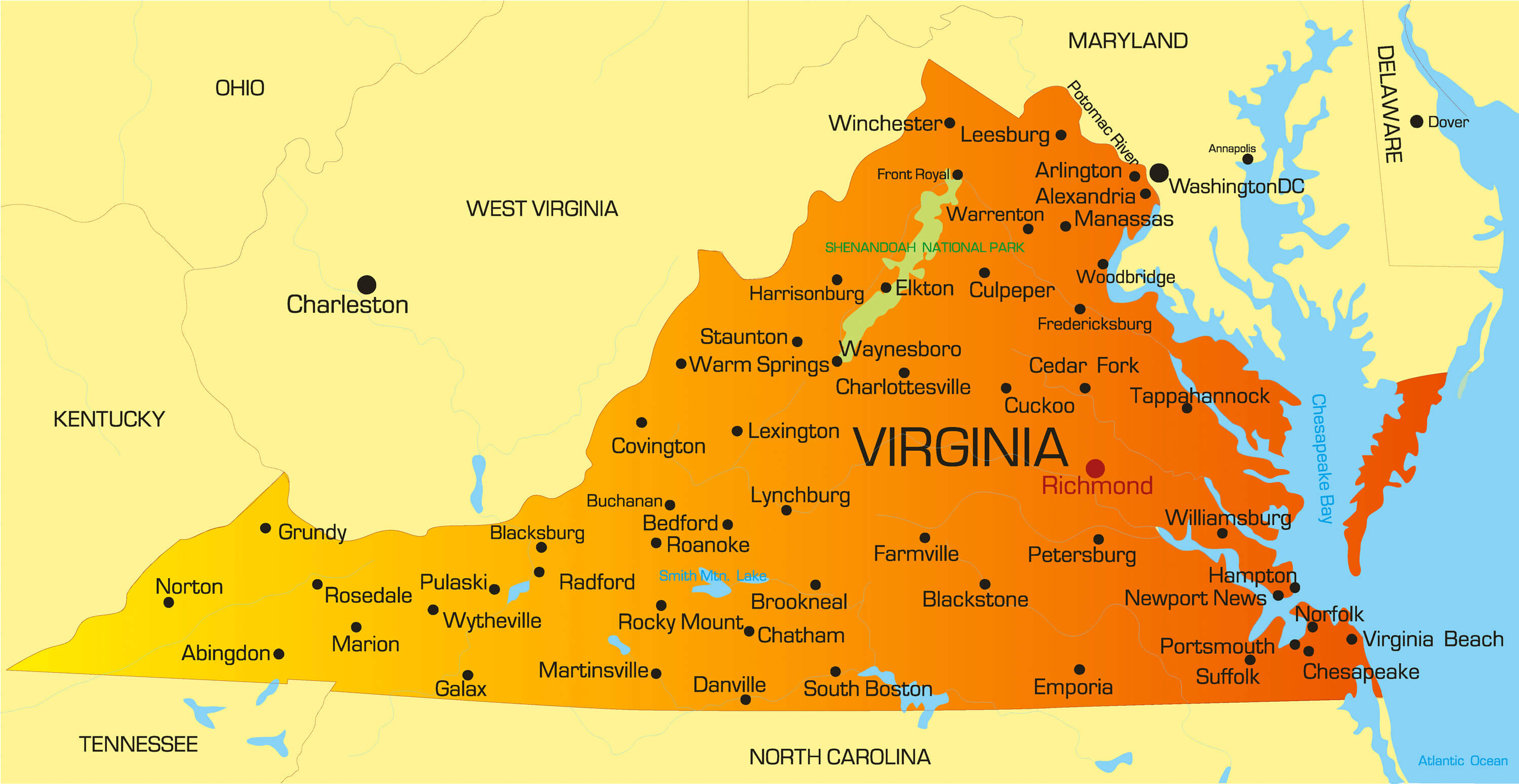
Virginia operates entirely within the Eastern Time Zone, making timekeeping uniform across its borders from the coast of Virginia Beach to the mountain ridges of Bristol. The commonwealth observes both Eastern Standard Time (EST) at UTC-5 and Eastern Daylight Time (EDT) at UTC-4, shifting twice a year alongside most of the United States. Unlike states split by multiple zones, Virginia's single-zone layout simplifies scheduling for commerce, transit, and daily life.
Understanding how time works across the state requires looking past the basic clock offset. Solar noon shifts noticeably across the 430 miles between the state's easternmost and westernmost points, affecting regional daylight patterns even though all clocks read the exact same hour.
The Foundation of Virginia Timekeeping
Since nationwide time standardization took effect in November 1883, all of Virginia has remained anchored to the Eastern Time Zone. State code mandates that the standard time of the United States Eastern zone applies commonwealth-wide, with adjustments for daylight periods.
- Standard Time (EST): Active from early November to mid-March, placing clocks at UTC-5.
- Daylight Time (EDT): Active from mid-March to early November, shifting clocks forward to UTC-4.
Federal regulations via the Uniform Time Act govern these seasonal shifts. Clocks spring forward one hour on the second Sunday in March and fall back one hour on the first Sunday in November.
Regional Variations in Sunrise and Sunset
While every corner of Virginia shares a single clock face, actual solar time varies significantly from east to longitude-based calculations. Because the earth rotates from west to east, sunrise and sunset happen earlier on the coast than in the mountains.
For example, Chincoteague on the Eastern Shore experiences sunrise several minutes earlier than Richmond. Conversely, Bristol and the far western tip of the state see sunrise and sunset noticeably later than the capital. Commuters in Norton face darker morning commutes in winter than residents in Norfolk, even though their digital clocks display the exact same minute.
Practical Impacts on Travel and Business
A single statewide time zone removes logistical friction for remote teams, logistics hubs, and state government operations. Whether you're scheduling freight out of the Port of Virginia or coordinating meetings between Northern Virginia tech firms and Richmond agencies, time zone math is unnecessary.
Transport networks rely heavily on this consistency. Amtrak lines, regional airports like Dulles and Richmond International, and interstate trucking routes operate on strict Eastern Time schedules without cross-border zone discrepancies.
Common Misconceptions About State Time Boundaries
People unfamiliar with Virginia geography occasionally assume large states must span multiple time zones.
- The Mountain Border Myth: Some travelers assume the rugged terrain near the West Virginia or Kentucky border dips into the Central Time Zone. In reality, even historically isolated pockets like the Cumberland Gap remain firmly inside the Eastern Time Zone.
- Permanent Daylight Saving Confusion: Legislative efforts crop up frequently to alter seasonal shifts, but federal law still requires states to follow uniform change dates unless Congress authorizes permanent daylight time. Virginia abides by these federal baselines.
You can review official federal guidelines on local timing through the National Institute of Standards and Technology. Legal parameters for the commonwealth are outlined directly in the Virginia Law Code. For live clock tracking, consult Time and Date.
Frequently Asked Questions
Does any part of Virginia use Central Time?
No. Every county, city, and town in Virginia operates on Eastern Time.
When do clocks change in Virginia?
Clocks move forward one hour on the second Sunday of March and back one hour on the first Sunday of November.
Why does sunrise happen at different times in different parts of Virginia?
The state spans roughly 400 miles east-to-west. While local clocks are synchronized, the position of the sun relative to the earth's rotation creates real-world differences in daylight timing between coastal and mountainous areas.
Does Virginia observe Daylight Saving Time year-round?
No. Virginia follows federal rules under the Uniform Time Act, switching between EST and EDT annually.



