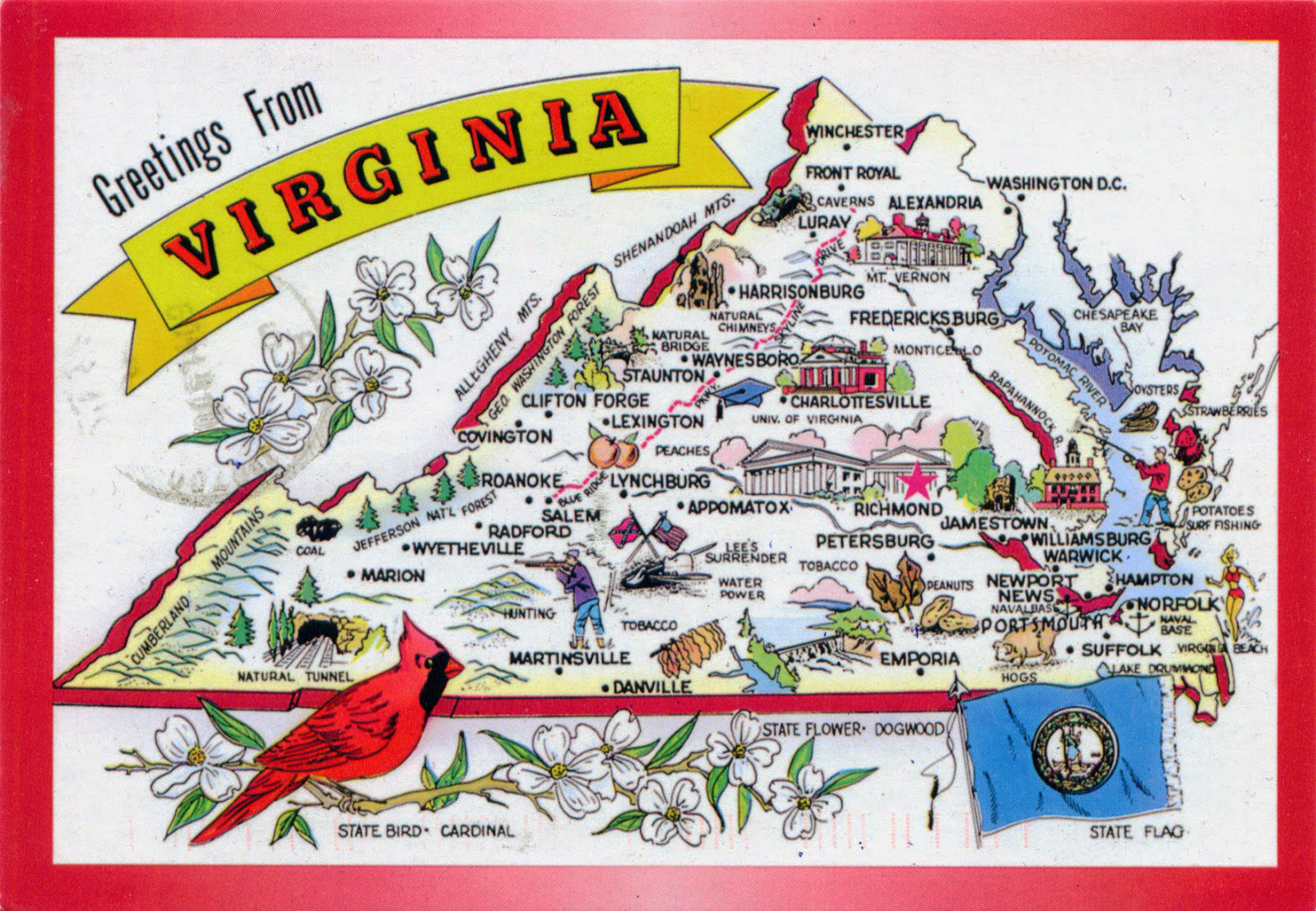
Clocks do more than track hours. In the Commonwealth of Virginia, the Eastern Time Zone anchors everything from legislative sessions in Richmond to morning commutes along Interstate 66. Timekeeping here isn't just a technical measurement of the sun's position. It forms an invisible architecture that shapes community identity, economic rhythms, and the daily lives of millions.
Residents wake up, work, and sleep to a standard synchronized across the entire eastern seaboard of the United States. Yet, how communities experience these hours varies wildly between the historic coastal plains, the sprawling urban centers of Northern Virginia, and the quiet mountain valleys of Appalachia. Let's look at how the Virginia time zone dictates daily culture, economic momentum, and historical habits.
The Geography and Mechanics of Eastern Time
Virginia operates entirely within the Eastern Time Zone, observing Eastern Standard Time (EST, UTC-5) during winter months and Eastern Daylight Time (EDT, UTC-4) during summer. Governed federally by the Department of Transportation, the boundary lines of American time zones were originally drawn to prevent chaos for the nineteenth-century railroad industry.
Before national standardization, every town kept its own solar time. Noon happened when the sun reached its highest point overhead in that specific municipality. Travelers moving by train found themselves constantly adjusting pocket watches by minutes or even hours between adjacent towns. If you want more about the context here, Associated Press offers an in-depth breakdown.
Today, the Virginia time zone offers absolute predictability. The shift between standard and daylight time occurs on the second Sunday in March and the first Sunday in November. This biannual adjustment triggers real changes in energy use, traffic patterns, and public safety across the state.
Daily Rhythms Across Virginia Regions
Daily life looks and feels different depending on where you stand in the state. The clock dictates separate realities for distinct cultural pockets.
Northern Virginia and the Commuter Pulse
In counties like Fairfax, Arlington, and Loudoun, the morning hours dictate a high-speed commuter rush. Federal government schedules, defense contractors, and tech hubs mean that daily routines lock into strict federal timelines. Clocks here govern hyper-competitive work environments where synchronization with global markets and Washington D.C. institutions is mandatory.
The Historic Coastal Plains
Down in Hampton Roads, Norfolk, and Virginia Beach, daily rhythms blend civilian life with massive naval operations. Military shifts, port logistics, and commercial shipping operate on a 24-hour clock. The local identity is tied to maritime schedules, tidal changes, and precise operational readiness dictated by the clock.
The Blue Ridge and Southwest Valleys
West of the Piedmont, communities in the Blue Ridge Mountains and coal country experience a different tempo. While office workers and schools still follow standard Eastern Time, agricultural and outdoor traditions often lean closer to natural daylight. Sunrise and sunset dictate chores, markets, and seasonal harvesting more organically than corporate calendars do.
Economic Impact of a Unified Schedule
Operating on a single state-wide time zone provides massive economic advantages. Virginia businesses deal with seamless coordination from Bristol to Chincoteague. Because the entire state shares UTC-5 or UTC-4, internal supply chains don't suffer from regional scheduling friction.
Furthermore, sharing the exact time zone with financial powerhouses like New York City, Philadelphia, and Atlanta gives Virginia a strategic edge. Corporate headquarters, logistics hubs, and financial service firms can execute transactions without mental math or delayed scheduling windows.
According to data from the U.S. Bureau of Labor Statistics, regional synchronization heavily reduces administrative friction for interstate commerce. When everyone shares a clock, meetings start on time, freight deliveries arrive as scheduled, and customer service teams operate without confusion.
Common Misconceptions About Local Time
People frequently misinterpret how time zones function across state lines or federal jurisdictions. Here are a few frequent confusions cleared up:
- Internal State Splits: Unlike neighboring states like Tennessee or Kentucky, which are split across two time zones, Virginia is uniform. Every county observes Eastern Time.
- Federal vs. State Control: State legislatures do not unilaterally decide time zone boundaries or daylight saving rules. Changes require federal regulatory approval through the Department of Transportation.
- Solar vs. Clock Noon: Because of Virginia's width from east to west, solar noon does not happen at the exact same minute in Bristol as it does in Virginia Beach. Clock time remains identical, but the sun's zenith lags slightly behind in the western mountains.
Frequently Asked Questions
Does all of Virginia observe Daylight Saving Time?
Yes. The entire state of Virginia follows federal guidelines, shifting clocks forward one hour in March and back one hour in November. No exemptions or local opt-outs exist within the state borders.
Why is the Eastern Time Zone so massive?
The Eastern Time Zone covers all or parts of 22 states. It grew out of railroad operational efficiency during the late nineteenth century and was later formalized by Congress in the Standard Time Act of 1918 to keep major commercial and political hubs aligned.
How does the time zone affect remote workers in Virginia?
Remote professionals living in Virginia enjoy a natural alignment with East Coast corporate headquarters, financial markets, and media outlets. This minimizes the need for early morning or late-night calls common to remote workers living across western U.S. time zones.
What happens during the autumn clock change?
On the first Sunday of November, clocks are turned back from 2:00 AM to 1:00 AM local time. This grants residents an extra hour of sleep, shifts morning daylight earlier, and plunges evening commutes into darkness much faster.



