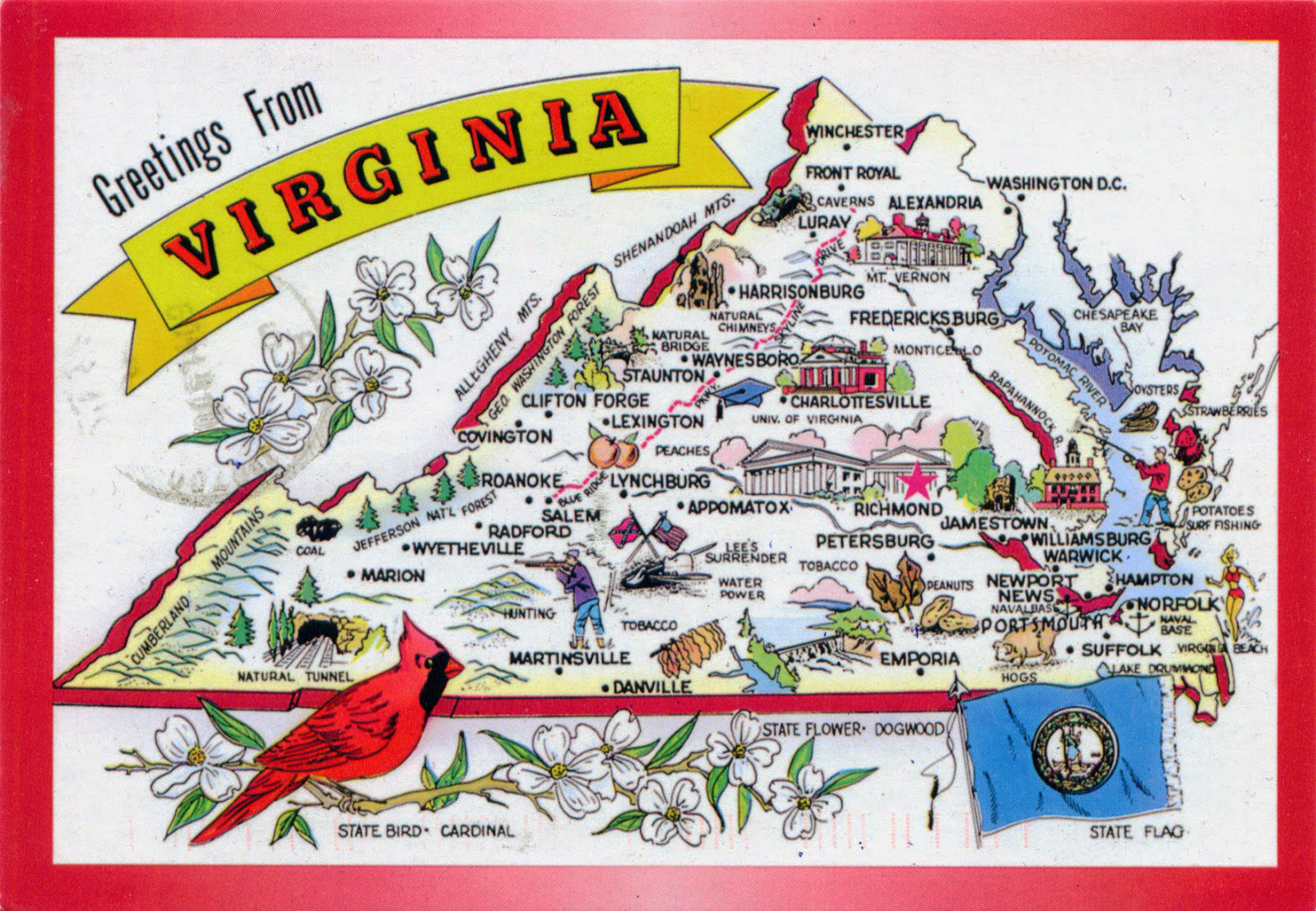
Virginia sits at a unique cultural and geographic intersection where rapid modern development brushes up against deep historical roots. The concept of time here moves at two distinct speeds. In the dense urban corridors of Northern Virginia and the Richmond metropolitan area, life runs on a high-speed corporate clock driven by federal agencies, defense contractors, and tech hubs. Just a short drive away, the rural valleys, historic triangle towns, and mountain communities maintain a slower, deliberate pace that honors centuries of heritage. Understanding this balance reveals how the state functions as a microcosm of modern American tension between past and present.
For anyone examining this regional duality, the primary challenge lies in recognizing that "Virginia time" isn't a single schedule. Instead, it is a shifting rhythm defined by geography, industry, and generational roots. Whether you are navigating the heavy traffic of the Interstate 95 corridor or exploring the quiet back roads of the Shenandoah Valley, the contrast shapes everything from daily commutes to local commerce and historical preservation.
The Dual Rhythms of Virginia
The modern rhythm of Virginia is most visible in the urban crescent stretching from Northern Virginia down through Richmond and Hampton Roads. This region operates on a schedule dictated by global markets, federal policies, and commuter trains. Arlington and Fairfax County function practically as extensions of Washington, D.C., where schedules are tight, professional networking dictates daily routines, and public transit schedules rule the morning hours.
Conversely, the historical pace thrives in regions where time feels anchored to the colonial era, the Civil War, and early American industry. Places like Williamsburg, Yorktown, and the small towns nestled in the Blue Ridge Mountains prioritize preservation over acceleration. Here, businesses might still close early on Sundays, and local conversations often begin with family lineage or local history rather than current project deadlines.
This split creates a fascinating cultural friction. Professionals relocating from fast-paced metropolitan areas often experience a period of adjustment when dealing with local service speeds in smaller towns. At the same time, long-term residents of rural counties watch the expanding suburbs absorb farmland and accelerate local traffic patterns with a mixture of resignation and pride.
Historical Foundations of Local Time
Virginia's relationship with time stems directly from its foundational role in American history. As the site of the first permanent English settlement at Jamestown in 1607, the state carries centuries of institutional memory that influence how communities view growth and change.
Historical preservation in Virginia is not merely a tourist attraction; it is a way of life deeply embedded in local governance and community identity. Architectural review boards in cities like Alexandria and Fredericksburg strictly regulate building modifications to maintain historical integrity. This commitment to physical continuity naturally fosters a psychological continuity. When residents walk past 18th-century brick storefronts daily, their perception of time stretches beyond quarterly earnings reports or two-year political cycles.
The agricultural history of the state also plays a major role. Long before government contractors and data centers dominated the Northern Virginia economy, the state's economy relied on tobacco, corn, and livestock. Agricultural cycles—planting in spring, harvesting in autumn—dictated human activity for generations. Remnants of this agrarian mindset persist in rural districts, where weather patterns and seasonal shifts still dictate daily priorities far more than digital calendars.
Urban Centers and Modern Acceleration
Urbanization has radically transformed significant portions of the Commonwealth over the last few decades. Northern Virginia, in particular, has evolved from a collection of sleepy suburban towns into a global economic powerhouse.
The influx of major technology companies, defense agencies, and a highly educated workforce brought a relentless pace. Data centers now line parts of Loudoun County, processing a massive share of global internet traffic. In these spaces, time is measured in milliseconds, and the urban rhythm matches that of New York or San Francisco.
Richmond has experienced a similar revitalization, blending its historical identity as the former capital of the Confederacy with a thriving arts scene, craft breweries, and tech startups. The city manages a delicate dance between honoring its complex history and embracing a youthful, progressive energy. Neighborhoods like Scott's Addition show how old industrial warehouses can find new life without erasing the physical markers of their past.
Commuter Culture and Transit Realities
Nothing highlights the split between historical geography and modern speed quite like Virginia's transportation networks. The state is crisscrossed by major historic routes—such as sections of the Atlantic Coast Highway and older turnpikes—that now bear the weight of millions of daily commuters.
- Interstate 95: A notorious bottleneck where modern freight, tourist traffic, and daily commuters collide, creating delays that test anyone's patience.
- The Virginia Railway Express (VRE): Connects suburban counties to downtown Washington, strictly governing the morning and evening routines of thousands of desk workers.
- Rural Routes: Secondary highways like Route 11 through the Shenandoah Valley offer an alternative pace, where traffic jams are more likely caused by farm equipment than accidents.
The Rural and Mountain Pace
Moving away from the urban crescent reveals a landscape where historical geography dictates a entirely different lifestyle. In Southwest Virginia and along the Blue Ridge, communities are shaped by the rugged terrain of the Appalachian Mountains.
Mining history, traditional music, and independent farming traditions remain strong in these areas. The local economy often moves at a pace dictated by local commerce, seasonal tourism around leaf-peeping season, and outdoor recreation along the Appalachian Trail rather than corporate headquarters.
Residents in these regions often emphasize community resilience and intergenerational ties. Neighbors know each other by name, and local events like county fairs and high school football games serve as the primary anchors of the social calendar. This environment fosters a deep sense of place that resists the transient nature of modern urban life.
Common Misconceptions About Virginia's Culture
Out-of-state visitors often make specific assumptions about the Commonwealth that fail to capture its modern reality. Recognizing these errors helps paint a more accurate picture of the state.
- Assuming the whole state is rural: While large tracts of land remain agricultural or forested, the vast majority of Virginia's population lives in urban and suburban clusters around Washington, D.C., Richmond, and Hampton Roads.
- Viewing history as static: Many treat Virginia's historic sites as museums frozen in time, ignoring the dynamic, diverse populations currently working and living around those monuments.
- Overlooking economic diversity: Beyond tourism and agriculture, Virginia boasts massive aerospace, defense, technology, and biotechnology sectors that rival any state in the nation.
Frequently Asked Questions
Why does Northern Virginia feel so different from the rest of the state?
Northern Virginia is heavily influenced by its proximity to Washington, D.C. It attracts a highly transient, internationally diverse population working in federal agencies, tech, and defense, creating a faster, more corporate culture compared to Central or Southwest Virginia.
How does historical preservation impact modern development in Virginia?
State and local regulations, alongside active historic preservation societies, place strict rules on building in historic districts. This protects landmarks in places like Williamsburg and Richmond but can sometimes complicate modern infrastructure projects.
Is Virginia considered a Southern state or a Mid-Atlantic state?
Geographically and culturally, Virginia straddles both definitions. Coastal and Northern areas lean heavily Mid-Atlantic and cosmopolitan, while Southside and Southwest Virginia share deep cultural ties with the broader American South.
What are the main economic drivers outside of government work?
Beyond federal jobs and military installations, key industries include agriculture, forestry, technology data hosting, tourism, and higher education.


