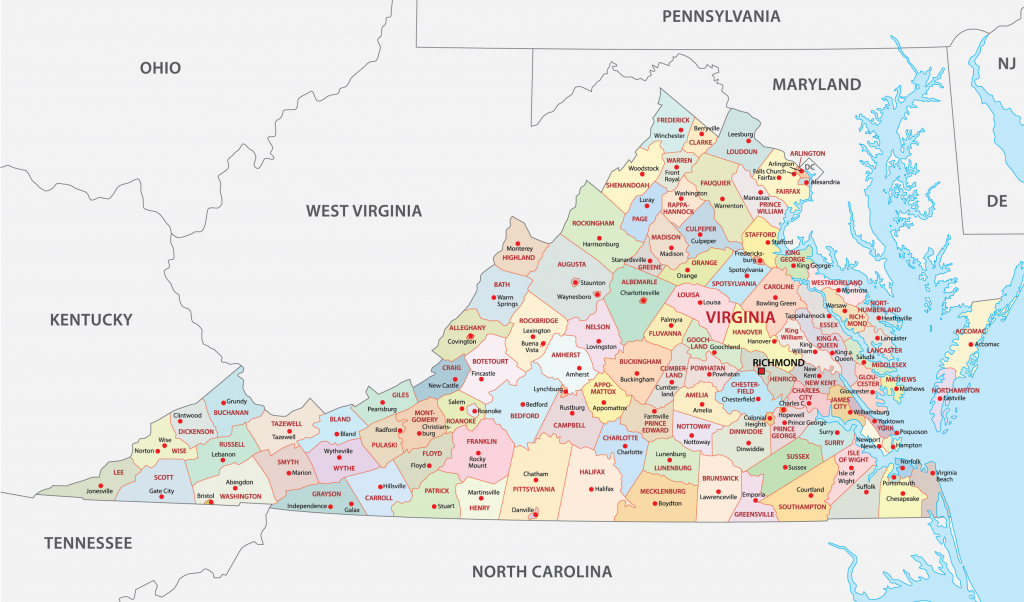
Navigating Virginia's labor market requires more than checking baseline state averages. While the median annual wage sits around modest thresholds, specialized sectors across Northern Virginia, Richmond, and Hampton Roads drive six-figure incomes that drastically outpace national norms. High earners in the commonwealth typically cluster in healthcare, defense contracting, federal consulting, and advanced technology. Knowing where these positions exist helps job seekers target specific regional hubs and credentials.
Understanding Virginia employee salaries demands a close look at structural geographic disparities and industry dynamics. Northern Virginia suburbs like Arlington, Fairfax, and Loudoun county benefit heavily from proximity to Washington, D.C., federal agencies, and elite private contractors. Meanwhile, metropolitan centers like Richmond and Virginia Beach offer lower costs of living paired with competitive corporate, medical, and maritime wages.
Top-Paying Professional Sectors in Virginia
Professional earnings in the commonwealth vary dramatically by industry. Healthcare practitioners, corporate executives, and specialized engineering roles consistently dominate the upper tier of compensation metrics provided by the U.S. Bureau of Labor Statistics.
Healthcare and Clinical Specialists
Medical professionals represent the absolute peak of Virginia compensation. Surgeons, anesthesiologists, and specialized dental practitioners often command annual packages exceeding $250,000. Large health systems like Inova Health System and Sentara Healthcare anchor these high-wage positions, drawing talent from across the mid-Atlantic region. General practitioners, pediatricians, and clinical psychiatrists also see robust demand, particularly as rural and suburban populations expand.
Technology and Engineering Operations
The commonwealth serves as a major global hub for data infrastructure and cybersecurity. Computer and information systems managers, software architects, and aerospace engineers benefit from massive defense budgets and private sector innovation. Northern Virginia hosts the largest concentration of data centers in the world, fueling specialized engineering salaries that routinely clear $150,000 for mid-career professionals with active security clearances.
Legal and Financial Services
Corporate law partners, patent attorneys, and financial directors form another lucrative segment of the workforce. Richmond serves as a regional capital for banking, law, and corporate headquarters, providing steady executive compensation. Regulatory compliance experts and risk management directors in financial institutions also secure top-tier wages due to stringent federal oversight requirements.
Regional Variations and Cost of Living Realities
A high salary in one part of the commonwealth doesn't always stretch equally across state lines. Northern Virginia features steep housing costs and competitive real estate markets, meaning six-figure salaries face heavy local overhead. Commuting patterns across the Capital Beltway heavily influence where workers choose to live versus where they work.
On the other hand, regions like the Roanoke Valley, the Shenandoah Valley, and Southwest Virginia offer significantly lower costs of living. While nominal salaries in these areas tend to trail behind Northern Virginia, specialized manufacturing, regional medical centers, and public education leadership roles still provide comfortable upper-middle-class incomes without the intense housing pressures of the D.C. suburbs.
Key Factors That Drive Compensation Growth
Securing top-tier pay requires strategic career positioning. Several practical elements dictate long-term wage trajectory across Virginia industries:
- Specialized Certifications: Credentials like Project Management Professional (PMP) or Certified Information Systems Security Professional (CISSP) instantly boost market value in government contracting.
- Security Clearances: Holding an active Secret or Top Secret clearance creates an insulated talent pool, driving up salary offers from defense contractors.
- Advanced Degrees: Master's degrees in business administration, data science, or specialized engineering fields yield measurable salary bumps over undergraduate degrees.
- Strategic Job Hopping: Moving between private firms and federal consulting agencies every few years often accelerates wage growth faster than internal corporate promotions.
Common Mistakes When Evaluating Job Offers
Job seekers frequently miscalculate their true earning potential by ignoring non-salary compensation factors. Focus purely on base pay without analyzing total rewards packages can lead to missed financial opportunities.
- Ignoring Total Benefits: Robust retirement matching, health savings account contributions, and tuition reimbursement can add tens of thousands of dollars to annual compensation.
- Overlooking Remote Work Stipends: Hybrid or remote roles based out of Northern Virginia companies allow workers to secure high wages while residing in lower-cost regional pockets.
- Failing to Negotiate Sign-on Bonuses: Many competitive technical and medical employers expect negotiation on initial signing incentives and relocation assistance.
Frequently Asked Questions
What is the average salary in Virginia?
According to data from the Virginia Employment Commission, median wages hover around $55,000 to $60,000 annually, though this figure fluctuates widely based on regional economic output and industry concentration.
Which region in Virginia pays the highest salaries?
Northern Virginia—specifically Arlington, Fairfax, and Loudoun counties—features the highest average and median salaries in the state, driven by federal contracting, technology, and corporate headquarters.
How do security clearances impact salary in Virginia?
An active federal security clearance can increase an employee's salary by 15% to 30% compared to non-cleared peers in identical technical or administrative roles due to high demand and lengthy vetting processes.
Are remote jobs in Virginia paying metro-area rates?
Many employers based in high-cost metro areas adjust remote salaries based on regional cost-of-living indices, though competitive tech and defense firms often pay flat enterprise rates regardless of employee location within the state.



