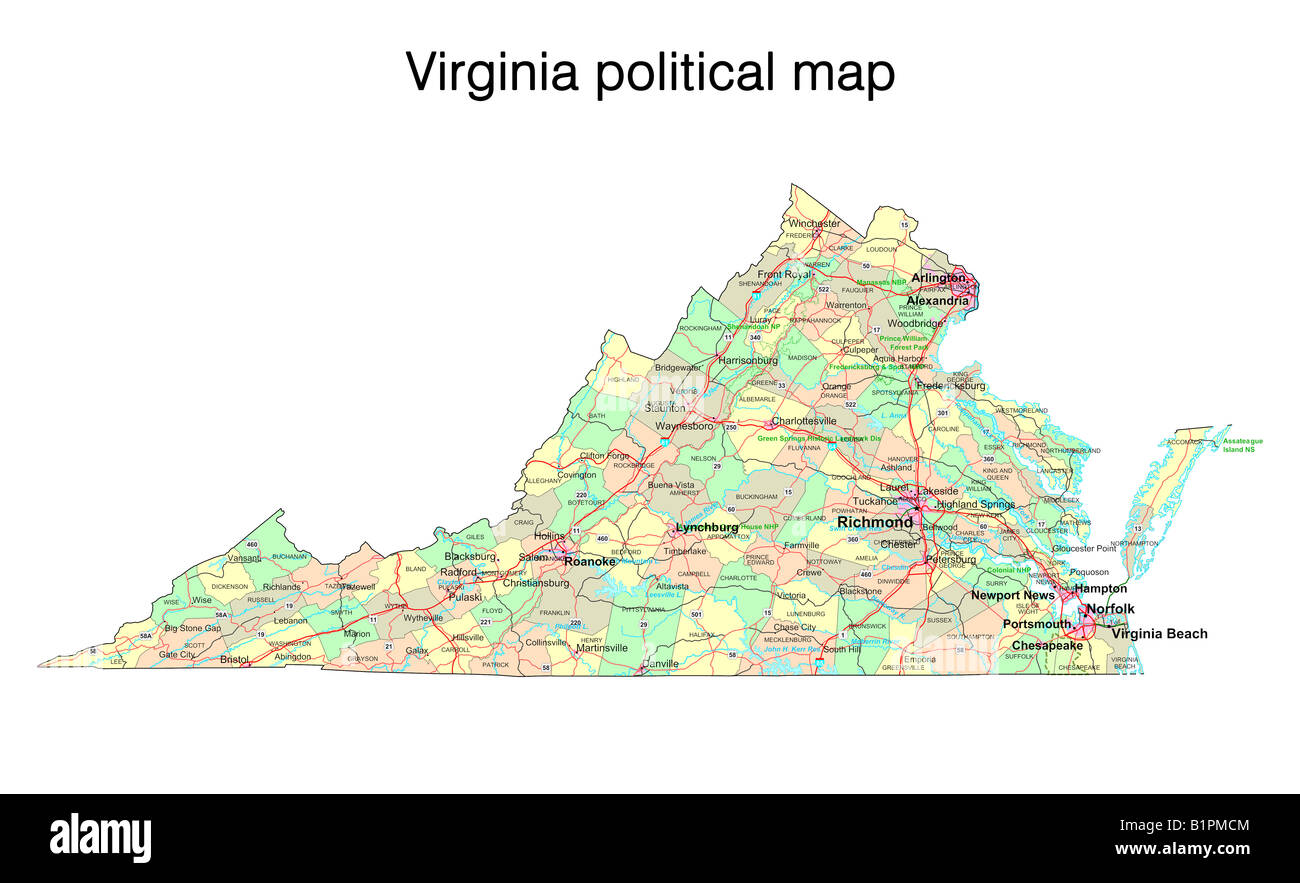
Virginia operates as a primary cornerstone of the United States, balancing foundational American history with a high-powered modern economy. From the colonial establishment at Jamestown to the dense technology corridors of Northern Virginia, the commonwealth drives national commerce, defense innovation, and public administration. Understanding its economic impact requires looking past basic generalizations to examine the specific structural elements powering the region.
The modern Virginia economy functions as a top-tier state market, anchored by a diverse gross domestic product exceeding $700 billion. Unlike economies reliant on a single commodity, Virginia blends federal defense spending, a massive tech sector, world-class logistics via the Port of Virginia, and deep-rooted agricultural output. This structural balance insulates the state from localized downturns and secures its role as a national economic anchor.
Historical Foundations of the Commonwealth
Virginia’s identity as a historic keystone dates back to 1607 with the founding of Jamestown. As the first permanent English settlement in North America, the region established early legal, political, and economic frameworks that shaped the eastern seaboard. Tobacco quickly emerged as the first major export, driving early transatlantic trade and establishing plantation-based commercial networks.
During the 18th and 19th centuries, Virginia served as the intellectual and political crucible for the American Revolution and the formation of the federal government. Figures like George Washington, Thomas Jefferson, and James Madison designed political systems that intertwined the state's trajectory with the broader American experiment. However, the Civil War devastated local infrastructure and agriculture, requiring a lengthy, multi-decade recovery that eventually shifted the state away from an exclusively agrarian model toward diversified industrialization and service sectors.
The Modern Economic Engine: Core Sectors
Today, Virginia’s economic output stems from several specialized pillars rather than a single industry. This multi-sector approach generates stable job growth and attracts domestic and international capital.
Federal Government and Defense Contracting
Proximity to the nation's capital heavily influences Northern Virginia and Hampton Roads. Federal agencies, military commands, and private defense contractors form a massive economic baseline.
- Defense Infrastructure: Hampton Roads hosts the largest concentration of naval assets in the world, including Naval Station Norfolk. Shipbuilding giants like Huntington Ingalls Industries construct nuclear submarines and aircraft carriers.
- Federal Procurement: Northern Virginia captures a significant share of federal IT and intelligence procurement contracts, anchoring a dense ecosystem of cybersecurity and aerospace firms.
Technology and Data Infrastructure
Northern Virginia is the global epicenter for internet traffic. The cluster known as "Data Center Alley" in Loudoun and Fairfax counties processes a massive share of daily global web traffic.
- Cloud Computing: Major technology operators maintain massive infrastructure footprints here, supported by reliable energy grids and fiber-optic networks.
- Tech Talent: The commonwealth features a high concentration of technology workers, fed by technical programs at institutions like Virginia Tech and George Mason University.
Logistics, Maritime Trade, and Manufacturing
The Port of Virginia acts as a primary international gateway on the East Coast, connecting global supply chains to the U.S. interior via an extensive rail and highway network managed by the Virginia Department of Transportation.
- Container Volume: Automated terminals and deep-water channels allow the port to handle ultra-large container vessels efficiently.
- Advanced Manufacturing: Aerospace components, semiconductor chips, and food processing plants operate across the Shenandoah Valley and Southside Virginia, diversifying manufacturing away from legacy textiles.
Business Climate and Workforce Dynamics
Virginia routinely ranks near the top of national lists for favorable business climates, driven by competitive corporate tax structures, right-to-work legislation, and targeted economic development incentives managed by the Virginia Economic Development Partnership.
Workforce development remains a central focus. The commonwealth invests heavily in public higher education and specialized training initiatives, ensuring a pipeline of skilled labor for advanced manufacturing, software engineering, and maritime trades. Lower bureaucratic friction and streamlined regulatory navigation allow expanding enterprises to scale operations quickly.
Common Strategic Misconceptions
When analyzing Virginia's economic footprint, analysts frequently rely on outdated assumptions. Avoid these common mistakes:
- Assuming it is a one-trick government town: While federal spending is massive, private sector technology, logistics, and corporate headquarters generate a substantial portion of state GDP.
- Overlooking regional diversity: Northern Virginia's high-tech economy differs vastly from the agricultural base of the Shenandoah Valley or the heavy maritime focus of Hampton Roads. Treat the state as a collection of distinct economic micro-climates.
- Treating infrastructure as static: Port expansions and rail corridor investments continuously alter logistics capabilities, meaning historical shipping data rarely reflects modern throughput capacity.
Frequently Asked Questions
What drives most of Virginia's economic output?
Virginia’s economy relies on a mix of federal defense spending, professional and business services, technology and data infrastructure, international trade through the Port of Virginia, and advanced manufacturing.
Why is Northern Virginia so economically distinct?
Northern Virginia benefits from its direct border with Washington, D.C., attracting federal agencies, defense contractors, telecommunications firms, and the world's highest concentration of data centers, creating a high-income, tech-heavy sub-economy.
How does the Port of Virginia impact the broader state economy?
The Port of Virginia connects local and national manufacturers to global markets, supporting thousands of logistics, warehousing, and transportation jobs across the entire commonwealth, well beyond the immediate coastline.
Is Virginia considered a favorable state for starting a business?
Yes. State tax policies, robust infrastructure, a highly educated workforce, and strategic East Coast positioning make it consistently competitive for corporate relocation and startup growth.



